
Indonesia's Strategy to Counter Chinese Automotive Investment in the EV Industry
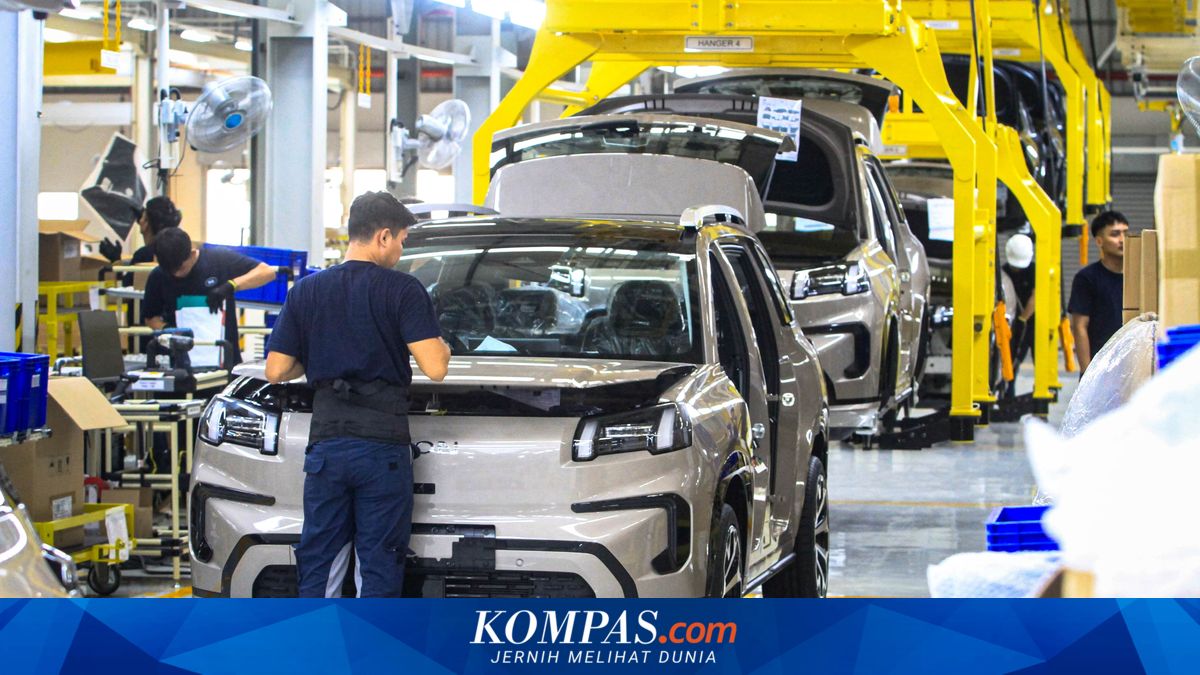
JAKARTA, KOMPAS.com - The Indonesian government’s ambition to become a global production base for electric vehicles has been repeatedly proclaimed in recent years. Support for investments in battery factories, the development of an electric vehicle ecosystem, and the entry of various Chinese automotive brands are part of this strategy. However, amid the influx of investments, Indonesia is assessed to still face major challenges to avoid becoming merely an electric vehicle market, but rather a production centre with global competitiveness. According to him, industrial policies need to be designed in a balanced manner to enhance productivity while creating quality jobs. “I think industrial policies should be designed to strike a good balance between productivity improvements and jobs,” said Prof Tang in Jakarta on Wednesday (13/5/2026). He stated that overly protective policies can indeed create a safe space for local companies in the short term. However, such conditions risk hindering industrial competitiveness in the long term. “If policies are too protective, in the long term it can create a sheltered market for local companies, but it is actually bad for productivity and economic development,” he said. Prof Tang assessed that one of the most sustainable ways to drive economic development is to maintain an open market to global companies. In this way, Indonesia can gain benefits in the form of technology and knowledge transfer from foreign companies entering the country. “The most sustainable way for long-term economic development is to keep the market open, attract the best foreign companies to come, and then transfer knowledge and technology to the local economy,” he stated. He added that this technology transfer is important so that Indonesia can create higher-quality jobs while boosting national industrial productivity. This statement is relevant to Indonesia’s current ambition to become a key player in the global electric vehicle supply chain. Moreover, Indonesia possesses large nickel reserves, which are the main raw material for electric vehicle batteries. Nevertheless, the next challenge is to ensure that these investments do not stop at sales or assembly activities alone, but also strengthen local industrial capabilities, including the components sector, research, and human resource development.