
Indonesia's Potential Still Promising Amidst the Complexities of the Upstream Oil and Gas Industry
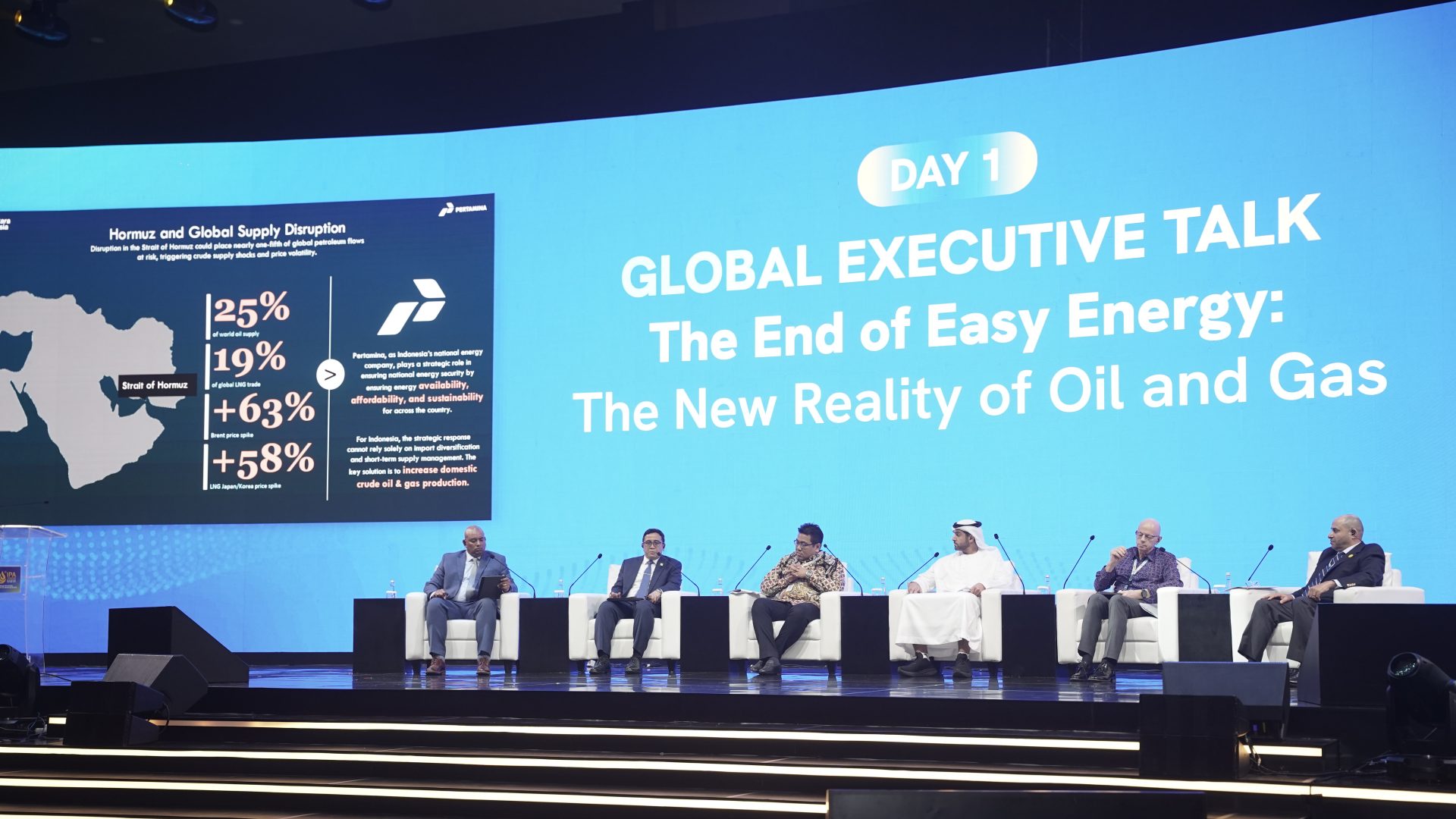
Jakarta – The upstream oil and gas industry (migas) faces increasingly complex challenges, not only globally but also in Indonesia. Amid natural declines in production from aging fields, industry players must also contend with global geopolitical dynamics that affect energy prices and investment stability. Yet behind these challenges, Indonesia is still regarded as having substantial oil and gas potential to be developed.
On the other hand, global geopolitical situations also put pressure on the energy sector. Tensions in several world oil-producing regions cause price fluctuations and increase investment uncertainty. This condition forces oil and gas companies to be more adaptable in ensuring business continuity.
Nevertheless, Indonesia still possesses significant oil and gas potential, especially in deep-sea areas and the eastern regions of Indonesia that have not been fully explored. Several oil and gas basins are still believed to hold large reserves that can support national energy resilience in the long term.
To facing these challenges, industry players are strengthening a range of strategies, from technology development to building stronger synergy with the government.
Oki Muraza, Deputy President Director of PT Pertamina (Persero), revealed there are three main strategies to address the challenges, ranging from strengthening partnerships, forging collaborations with the government to technology development.
‘We have strong partnerships, for example with PETRONAS. Collaboration with the government can also provide additional fiscal measures and ease licensing, as well as reduce business risk through the use of technology,’ he said at the Global Executive Talk titled The End of Easy Energy: The New Reality of Oil and Gas at the 50th IPA Convention and Exhibition (IPA Convex) 2026, Wednesday (20/5/2026).
Tengku Muhammad Taufik, President and Group CEO of PETRONAS, based on available data, stated that global upstream oil investment in 2025 is forecast to fall by about 6 per cent. Meanwhile, total upstream oil and gas investment worldwide was around US$570 billion in that year.
‘Interestingly, around 40% of that total investment is earmarked specifically to suppress the rate of production decline in operating oil and gas fields,’ he said.
Meanwhile, Roberto Lorato, Director and CEO of Medco Energi, assessed that for those who have been involved in Indonesia’s oil and gas industry for several years, there has certainly been a shift in how the industry is managed towards a more positive direction. ‘Indonesia realises the potential remains very large; therefore exploration must continue with long-term development and a more flexible approach,’ he said.
The use of technology is one of the important steps to curb the decline in production. Oil and gas companies are starting to develop enhanced oil recovery (EOR) implementation, digitalisation of operations, the use of artificial intelligence (AI), and more efficient drilling technology to improve productivity of existing fields and reduce operating costs.
The still-large potential of oil and gas reserves in the country is also evident from several relatively large discoveries around the Andaman region.
Mansoor Muhamed Al Hamed, CEO of Mubadala Energy, said that after 15 years operating in Indonesia, Mubadala has obtained positive results in the Andaman region. The discoveries are expected to help the government in pursuing its production targets. ‘We are very enthusiastic about the discoveries we have made in Tangkulo, and also in the Andaman. And most recently is Southwest Andaman about two months ago. When they come on stream, this will make us one of the largest producers in Indonesia,’ he said.
Abdullah F. Al-Osaimi, Executive Vice President, Finance & Administration of KUFPEC, stated that the oil and gas industry currently requires substantial capital and new technology. In addition, geopolitical dynamics that have changed the oil and gas industry since the end of April. ‘The challenge today is no longer the availability of hydrocarbons that are easy to obtain, but access to reserves with low risk and low complexity which are increasingly hard to find,’ Abdullah said.
Furthermore, energy transition and ESG (Environmental, Social, and Governance) demands add to the challenges. ‘Not to mention domestic policies in several countries that also influence investment in the upstream oil and gas sector,’ he added.
Despite the growing challenges, the upstream oil and gas sector is believed to continue playing a crucial role in maintaining national energy resilience. With substantial resource potential and the right policy support, Indonesia is seen to have opportunities to strengthen its position again as a major energy-producing country in the region.
Source: jawawa.id (https://jawawa.id/newsitem/indonesias-potential-still-promising-amidst-the-complexities-of-the-upstream-oil-and-gas-industry-1779542828)
Originally published by dunia-energi.com (https://www.dunia-energi.com/potensi-indonesia-masih-menjanjikan-ditengah-kompleksitas-tantangan-industri-hulu-migas/), translated from Indonesian