
Indonesia's Poor Population Declines Nationally, but Rises in Aceh, Bali, and Papua
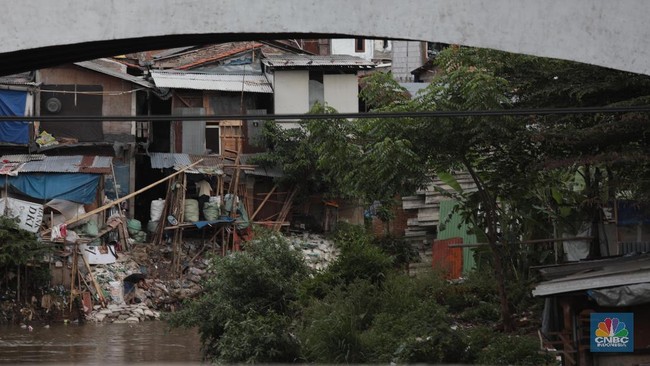
The number of poor people in Indonesia has declined nationally, according to the latest data from the Central Statistics Agency (BPS). However, in a handful of regions, the number of poor people has actually increased.
Based on the BPS National Economic Survey (Susenas) data for March 2026, the national poor population stood at 22.93 million people. This figure represents a decrease of 430,000 people compared to the previous record of 23.36 million in September 2025.
"In March 2026, the number of poor people was 22.93 million," said M. Edy Mahmud, Deputy for Balance Sheet and Statistical Analysis at BPS, during a press conference at the BPS headquarters in Jakarta on Wednesday (5/8/2026).
The national decline in poverty was supported by various Indonesian provinces that managed to reduce their poor populations by March 2026, compared to the data recorded in September 2025.
However, several regions experienced an increase, including Aceh, where the number of poor people rose to 713,780 from 703,330. The poor population in Bali also increased to 162,010 in March 2026, up from 160,090 in September 2025.
Increases in the number of poor people also occurred in East Nusa Tenggara, rising to 1.037 million from 1.031 million. Central Kalimantan saw an increase to 146,710 people from 141,750.
In North Maluku, the poor population also rose to 77,850 from 74,810. Similarly, in Papua, the figure increased to 165,980 from 160,250, and in Central Papua, it rose to 321,280 from 309,860.
As for the highest number of poor people by province, East Java still had the most at 3.71 million, although this was down from 3.80 million. West Java followed with 3.43 million, down from 3.55 million, and Central Java with 3.28 million, down from 3.44 million.