
Indonesia's Plastic Imports Reach Rp 44 Trillion, Mostly from China and Singapore
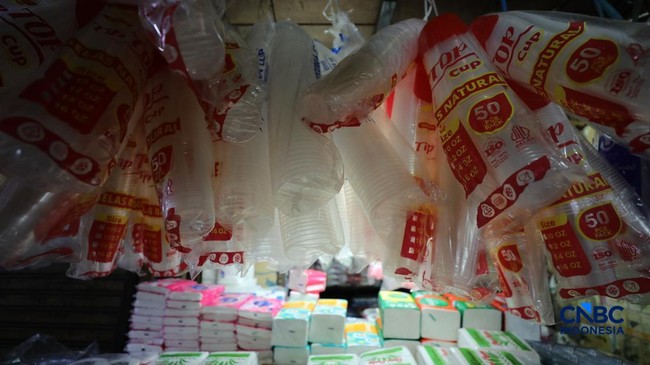
Indonesia’s imports of plastic and plastic products experienced an increase in both value and volume cumulatively from January to March 2026.
According to data from the Central Statistics Agency (BPS), the value of imports of plastic and plastic goods reached US$2.55 billion (Rp 44.11 trillion / exchange rate of Rp 17,300 per US dollar) or an increase of 1.3% compared to the same period last year. Meanwhile, the import volume reached 1.65 million tonnes or an increase of 7.42%.
Although the cumulative value of imports of plastic and plastic goods commodities increased, specifically in March the value fell significantly. This was stated by the Deputy for Distribution and Services Statistics at the Central Statistics Agency, Ateng Hartanto, during a Press Conference for the Release of Statistical Data at the BPS Building in Jakarta on Monday (4/5/2026).
“In the March 2026 condition, plastic imports amounted to US$338.1 million or a month-to-month decline in plastic imports of 14.96%,” Ateng explained.
The countries of origin for these plastic raw material imports come from China at 34.79% of total imports, followed by Singapore at 12.35% and Thailand at 11.65%.
BPS recorded Indonesia’s cumulative import value up to March 2026 at US$61.30 billion, or an increase of 10.05% from the same period last year.
Cumulatively, non-oil and gas imports from January to March 2026 were recorded at US$52.97 billion or an increase of 12.16% from the previous same period. Meanwhile, oil and gas imports were recorded to have decreased by 1.72% to US$8.33 billion.
The cumulative import increase occurred across all usage groups. The main contributor was auxiliary raw materials at US$43.17 billion, which rose 6.89% throughout January-March 2026. This increase is lower compared to the same period last year, which rose by 5%.