
Indonesia’s ‘People’s Car’ LCGC Is Losing Appeal: What’s Behind the Shift?
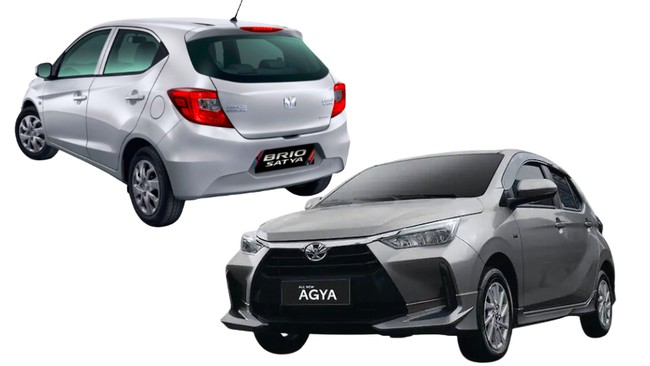
Jakarta, CNBC Indonesia – Indonesia’s low-cost green car (LCGC) segment is facing challenges as consumer preferences shift towards electrified vehicles. The Indonesian Automotive Industry Association (Gaikindo) says advances in electric-vehicle technology are one factor weighing on sales of LCGCs and conventional cars.
Gaikindo chairman Putu Juli Ardika said the LCGC programme, launched around 2012-2014, had initially been a major success. Its market share once reached 24% of total national car sales.
However, the growing trend towards electric vehicles is changing consumer choices. Putu said this presents a challenge for the industry as it seeks to retain Indonesia’s first-time car buyers.
“LCGC was quite successful when we launched it around 2012-2014. It was a very successful government programme, with market share reaching 24% of total car sales. But now, with another technology available—electric vehicles—the trend towards EVs is rising. That is one of the reasons for the decline in LCGCs and other conventional cars,” Putu said at the Industry Ministry’s office in Jakarta on Wednesday (21 October 2026).
He said affordable cars in future would not necessarily have to use internal combustion engines (ICEs). Hybrid and plug-in hybrid technology could be alternatives, provided vehicles remained affordable for the public.
“This is really a period of transition. If we want to retain the first-time buyer segment, the technology needs to move towards electric vehicles. So affordable cars such as LCGCs do not have to use ICEs; they could be hybrids or plug-in hybrids, as long as they remain affordable and inexpensive. We have conveyed that as well,” he said.
Despite the shift in consumer trends, Gaikindo remains optimistic about national car sales this year. The automotive industry association has set a sales target of 850,000 units for 2026.
Putu said sales data for January to September 2026 showed growth compared with the same period a year earlier. Retail sales rose by 15%, while wholesale sales grew by 21%.
“Looking at growth from January to September compared with last year, retail sales increased by 15%. Wholesale sales rose by 21%. You can work out the general picture from those figures,” he said.
Gaikindo has not yet issued an official forecast for car sales in 2027. Putu said growth during the first nine months of this year was one indicator supporting the industry’s optimism.
“We have not issued any forecasts. But the growth figures indicate that we are optimistic—we have to be optimistic,” he said.
Putu reiterated that Gaikindo hopes national car sales will reach 850,000 units this year. He also left open the possibility of a higher total, although the association is currently using 850,000 as its provisional target.
“God willing, hopefully. We are somewhat optimistic about reaching that figure. For now, we have set the target at 850,000,” Putu concluded.