
Indonesia’s Organic Farmland Grows by 24 Per Cent
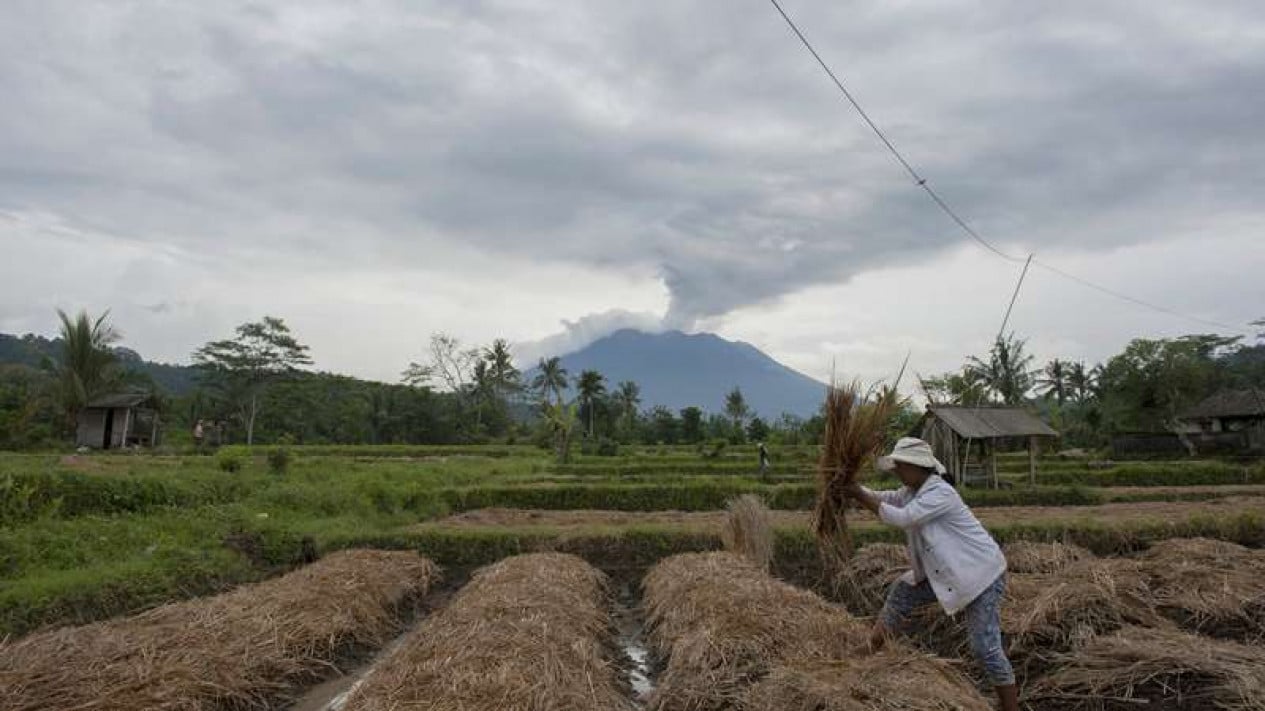
Jakarta — The Ministry of National Development Planning (Bappenas), the United Nations Food and Agriculture Organization (FAO) and the Indonesian Organic Alliance (AOI) have launched the 2025 Indonesian Organic Agriculture Statistics (SPOI) report. The launch is intended to promote data-driven development of sustainable agriculture in Indonesia.
The report will serve as a basis for determining how to develop organic agriculture in Indonesia, which is key to the country’s efforts to establish an inclusive, resilient and sustainable food and agriculture system. Indonesia has set a target of increasing the share of organic agricultural commodities to 1.55 per cent of total production by 2029, up from 1.47 per cent in 2025, according to the 2025–2029 National Medium-Term Development Plan (RPJMN).
As the only reference for data and information on organic agriculture in Indonesia, the latest SPOI report shows that national organic farmland has expanded by about 24 per cent since 2020, reaching 65,100 hectares in 2024. Half of that area is on Sumatra. The number of organic producers also tripled over the same period, to 108,469.
“Through the 2025 Indonesian Organic Agriculture Statistics report, we can continue to strengthen governance through three key parameters: consistent time-series data, standardised methodologies and commodity coverage, and the integration of data into planning and development cycles at both national and regional levels,” said Leonardo A. A. Teguh Sambodo, Bappenas deputy for food, natural resources and the environment.
Amid the triple planetary crisis of climate change, biodiversity loss and pollution, organic agriculture offers a way to ensure sustainable food production while protecting the interconnected health of soil, the environment, animals and people.
Family farmers are among the key actors in organic agriculture. At the same event, Bappenas, FAO, the International Fund for Agricultural Development (IFAD) and the National Committee for Family Farming (KNPK) launched a Joint Coordination Committee (JCC) for Family Farmers as a platform for cross-sectoral policy coordination. The committee aims to raise family farmers’ productivity and living standards while restoring land ecosystems.
Source: jawawa.id (https://jawawa.id/newsitem/indonesias-organic-farmland-grows-by-24-per-cent-1793944237)
Originally published by VIVA.co.id (https://www.viva.co.id/bisnis/1941487-lahan-pertanian-organik-indonesia-tumbuh-24-persen), translated from Indonesian