
Indonesia's 'One-stop Export' Policy: A High-stakes gamble in Trade Governance
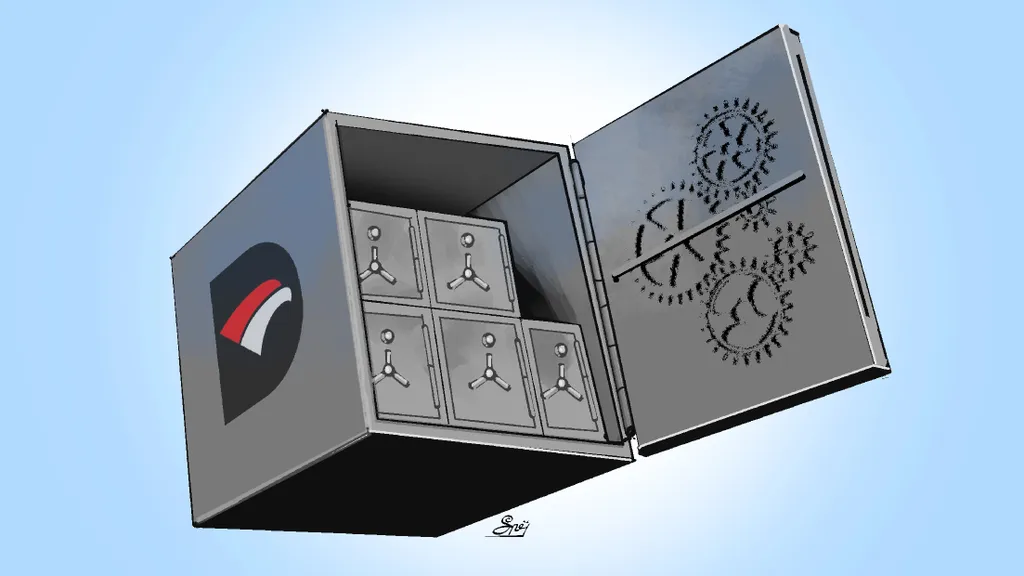
The government’s move to take over the export of strategic commodities is a high-stakes gamble for the nation in managing natural resources. Global track records show such protective policies often extremes between building economic sovereignty or creating monopolies prone to rent-seeking and inefficiency. The policy was announced by President Prabowo Subianto during a DPR plenary session on May 20, 2026. Initially targeting three key commodities: crude palm oil (CPO), coal, and ferro alloys. According to Statistics Indonesia (BPS), these commodities account for the largest share of national export earnings. In 2025, iron and steel contributed US$27.97 billion, followed by coal and CPO with US$24.48 billion and US$24.42 billion respectively. Cumulatively, they contributed US$76.87 billion, about 27.17% of total exports. Indonesia’s 2025 exports reached US$282.91 billion, a 6.15% increase from the previous year, with imports at US$241.86 billion, resulting in a US$41.05 billion trade surplus. Despite this, the government claims potential earnings could be higher due to practices like under invoicing and transfer pricing, which siphon foreign exchange out of the country. Under invoicing involves falsifying documents to report lower values or volumes. Transfer pricing sees domestic companies selling commodities below market price to overseas subsidiaries, which then ressell globally at higher rates, siphoning profits abroad. These practices also reportedly suppress tax revenues. In mining, gross tax collections fell 0.6% in 2025, with net decline of 10.6%. The Finance Ministry estimates US$908 billion in lost assets over 33 years (1991-2024). To plug these leaks, the government is centralising export controls through PT Danantara Sumberdaya Indonesia ( DSi ), a state-owned enterprise under the newly formed investment management agency BPI Danantara Indonesia. DSi will act as a sole trader for strategic commodities, enhancing transparency, improving foreign exchange management, and consolidating data for efficient export governance. Economically, this creates a monopsony in previously free markets. DSi, backed by state capital, becomes the sole buyer, erecting high barriers to entry. The policy aims to mitigate trade manipulation, stabilise prices, and strengthen negotiating power. Standardised quality and centralised supply chains will bolster economic sovereignty and ensure state capture of profits. This aligns with President Prabowo’s command economy model, seen in initiatives like the ‘MerahPutih Village Cooperatives’ program. However, modern economic literature suggests state monopolies often cause unnecessary losses. Studies by Gordon Tullock and Anne Krueger show government-induced monopolies frequently lead to rent-seeking and corruption. Moreover, the rapid implementation timeline raises concerns about business uncertainty, with potential bureaucratic missteps causing more harm than good.