
Indonesia's MPR Opens e-Constitution Aspirations Channel, Targets Full Report by Early 2027
The People’s Consultative Assembly (MPR) of the Republic of Indonesia has officially opened a channel for broad public participation in its ongoing constitutional review. Through the online e-Aspirasi Konstitusi channel, the MPR is committed to accommodating public input to ensure the constitution remains relevant to the needs of the times.
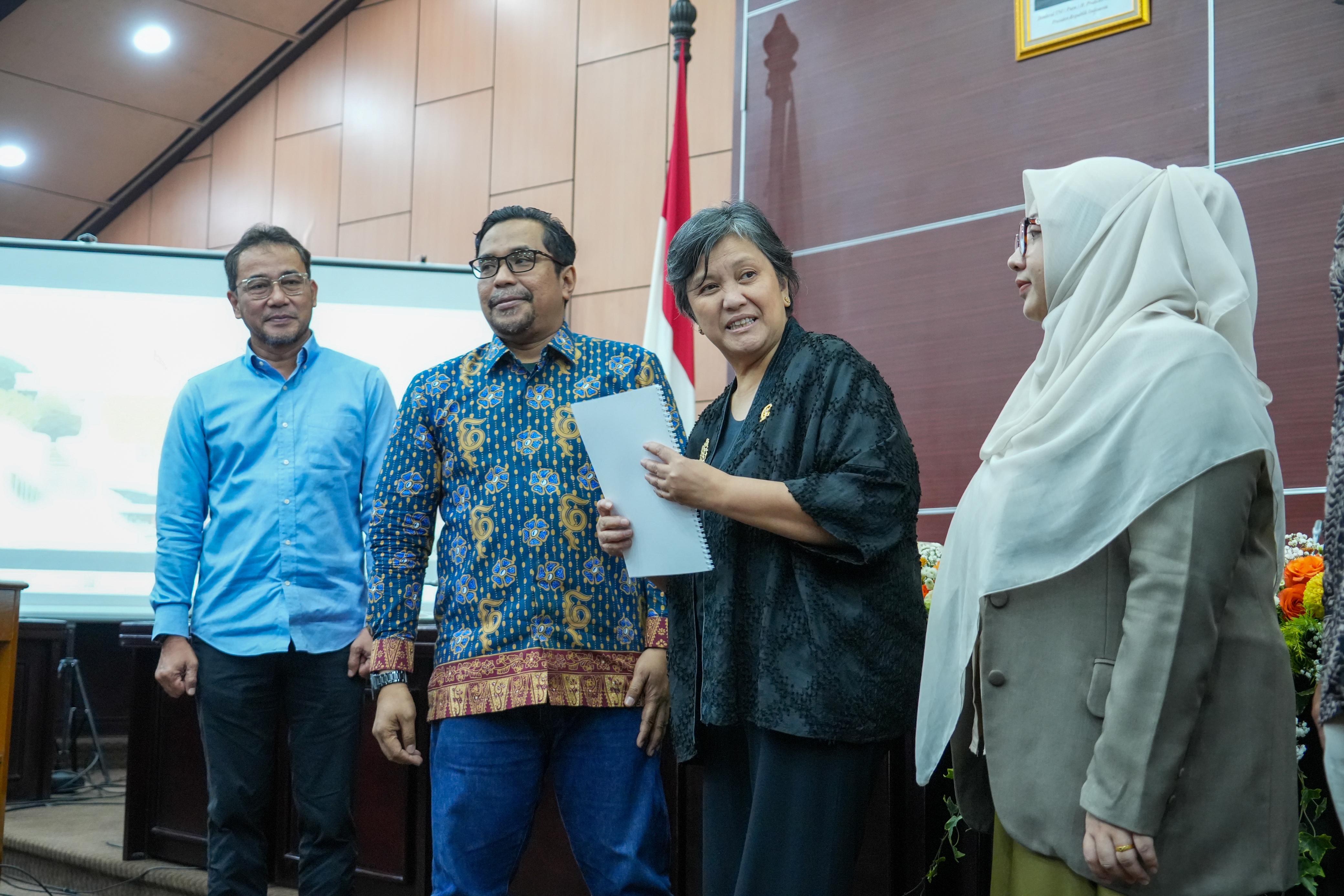
Deputy Speaker of the MPR, Lestari Moerdijat, affirmed that the move is a concrete effort to ensure the constitution does not remain merely a normative text. She made the remarks while receiving a visit from the Centre for Constitutional Studies (Pusako) at Andalas University in the GBHN Room of the DPR/MPR/DPD Building in Jakarta on Tuesday (15/9).
“We are ready to listen to, receive and accommodate all input from the public. This is not merely a ceremonial meeting, but a joint endeavour to safeguard the constitution,” said Lestari, who is familiarly known as Rerie.
The meeting was attended by the Director of Pusako at Andalas University, Dr Charles Simabura, the Chair of the MPR’s Constitutional Review Commission, Taufik Basari, and 80 participants of the IX National Conference on Constitutional Law. Rerie highlighted the challenge of public trust, admitting that the presence of academics is a ‘breath of fresh air’ for state institutions.
“We must honestly acknowledge that the institution that should be the pillar safeguarding the constitution actually ranks low in public trust surveys. Your presence is a strategic moment to demonstrate that the MPR is ready to listen,” said the member of the NasDem Party’s High Council.
The e-Aspirasi Konstitusi channel is designed to capture substantive ideas, rather than merely practical political recommendations. Rerie explained that public aspirations serve a crucial corrective function for state institutions, capturing views that may not have been conveyed through other formal channels.
Rerie aims to complete the entire review within the next six months, so that a comprehensive report can be published to the wider public in early 2027. She stressed that strengthening constitutional democracy must ensure the constitution works within public policy and genuinely addresses the needs of citizens.
“The constitution must always live in the consciousness of citizens, work in every institution, be present in public policy, and answer the needs of the people,” she concluded.