
Indonesia’s MBG: turning early nutrition into human capital
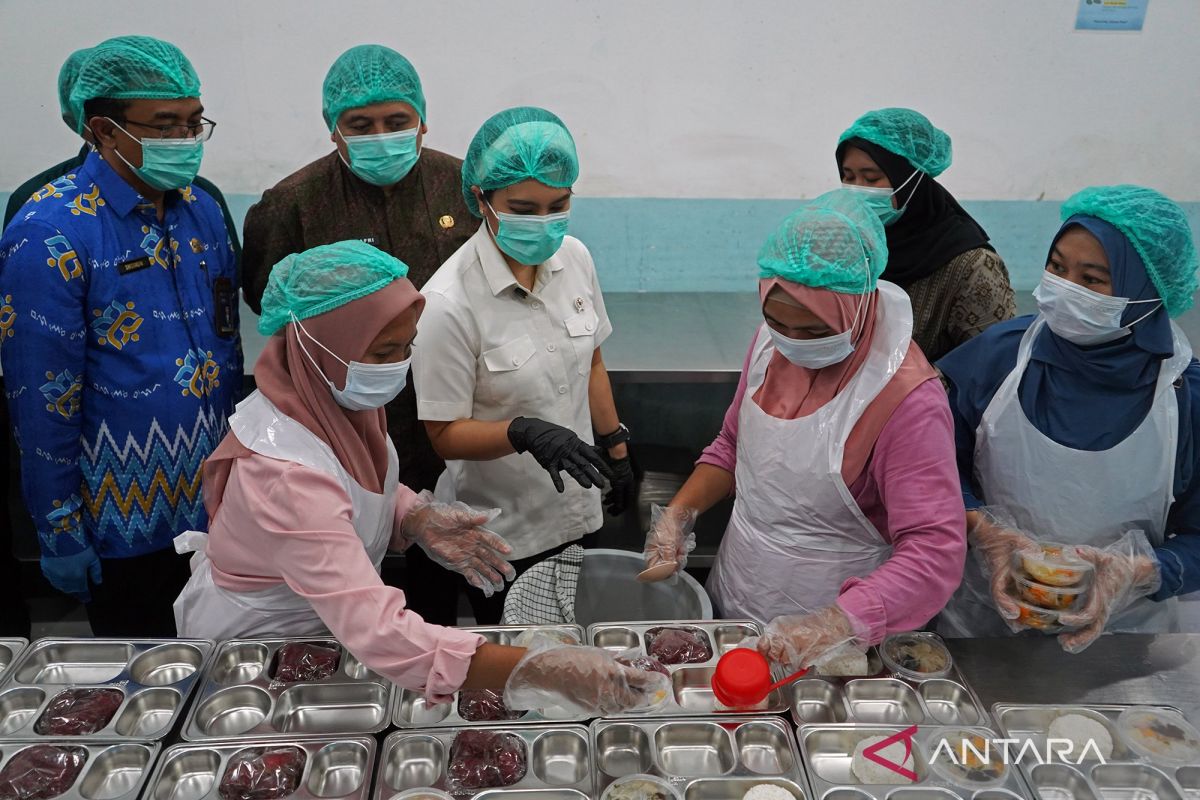
The strategic value of MBG 3B ultimately lies not in the number of meals distributed,Jakarta (ANTARA) - Indonesia is placing early-life nutrition at the center of its human capital agenda by expanding the Free Nutritious Meals (MBG) program to pregnant women, breastfeeding mothers, and toddlers.
Under the MBG 3B scheme, which targets mothers and children under five who are not yet enrolled in early childhood education, the program marks a strategic shift from a predominantly school-age focus toward intervention at the earliest stages of life.
As of early August 2026, the scheme had reached 9.6 million beneficiaries, according to Population and Family Development Minister and National Population and Family Planning Agency (BKKBN) Head Wihaji, with Coordinating Minister for Food Affairs Zulkifli Hasan aiming to cover the full target of over 11 million 3B beneficiaries within the coming month.
This scale-up comes as Indonesia continues to tackle stunting, with national prevalence falling to 19.8 percent in 2024 from 21.5 percent in 2023. Under the National Medium-Term Development Plan (RPJMN), the government aims to reduce the rate to 14.2 percent by 2029.
Power of early intervention
The focus on the earliest stages of life is biologically and economically sound. The first 1,000 days, from conception through a child’s second birthday, represent a critical window for physical and cognitive development.
By extending MBG to mothers and young children, the government is attempting to intervene before nutritional deficits become permanent and more difficult to address.
The expansion has been rapid, growing from 3.2 million beneficiaries in February 2026 to 9.6 million by early August, showing the government’s ability to broaden the program’s reach.
However, scale should not be confused with impact.
A larger distribution network demonstrates administrative and logistical capacity, but coverage alone does not establish that maternal and child nutrition has improved or that stunting has declined because of the program.
This distinction is particularly important as the government seeks to prioritize high-need and geographically isolated regions where access to public services is more difficult.
The government’s decision to refocus MBG priorities toward frontier, outermost, and underdeveloped (3T) regions—specifically target areas in Papua, East Nusa Tenggara (NTT), Maluku, Maluku North, and Nias—aligns with this necessity.
With plans to operationalize over 100 dedicated kitchens across these priority zones and align 1,300 new Nutrition Fulfillment Service Units (SPPGs) directly with high-stunting districts, the government is taking direct steps toward spatial equity.
If MBG 3B is intended to reduce nutritional inequality, resources must consistently reach communities where health risks are greatest.
Accurate data is central to that effort.
National Nutrition Agency (BGN) Head Sudaryono has emphasized coordination among ministries and agencies to improve beneficiary data.
For MBG 3B, this is particularly challenging because pregnant women, breastfeeding mothers, and young children are not captured through the same education-based systems used to identify school-age beneficiaries.
Better integration of population, health, and family-development data can help determine who needs assistance, where they live, and whether the program is reaching them consistently.
Measuring impact and safety
The next core challenge is establishing whether expanded coverage produces measurable nutritional outcomes.
The Corruption Eradication Commission (KPK) has called for comprehensive short-, medium-, and long-term indicators for MBG, emphasizing that success should not be measured solely by the number of beneficiaries.
For a program intended to contribute to nutrition improvement and stunting prevention, the policy conversation must move from how many people received meals to what changed because they received them.
That requires reliable baseline data and continued monitoring of maternal and child nutritional status, dietary adequacy, growth, and other relevant health outcomes.
The operational delivery structure must also support that objective. Under Presidential Regulation No. 115 of 2025, the Ministry of Population and Family Development and BKKBN are responsible for distributing MBG 3B through Family Assistance Teams (TPK).
The teams also educate families about healthy food consumption. This means MBG 3B can extend beyond providing prepared meals, as its long-term effectiveness will also depend on whether families gain knowledge and adopt practices that support healthier diets beyond the program.
Operational standards and food safety are equally important.
The BGN requires SPPGs to serve at least 300 beneficiaries from the 3B group, backing this with strict compliance measures, including a Rp6 million daily incentive withholding until compliance is met.
However, scaling up service units presents immediate quality control challenges. With around 7,000 to 8,000 existing SPPG units still lacking Hygiene and Sanitation Eligibility Certificates (SLHS), resolving certification backlogs becomes urgent.
These safeguards are vital because pregnant women and infants are particularly vulnerable to poor nutrition and foodborne illness, making food quality and safety integral to the program’s intended health benefits.
In his State of the Nation Address at the 2026 Annual Session of the People’s Consultative Assembly (MPR) and the Joint Session of the House of Representatives (DPR) and the Regional Representatives Council (DPD) in Jakarta on Friday, President Prabowo Subianto reaffirmed that the government would continue MBG while improving its implementation and efficiency.
The emphasis suggests that the next phase of the program is not only about expanding coverage but also about making its delivery more effective.
Long-term value
The strategic importance of MBG 3B ultimately lies in what early nutrition can contribute to Indo