
Indonesia’s Manufacturing PMI Rises as Arif Fathoni Urges Surabaya to Target New Investment
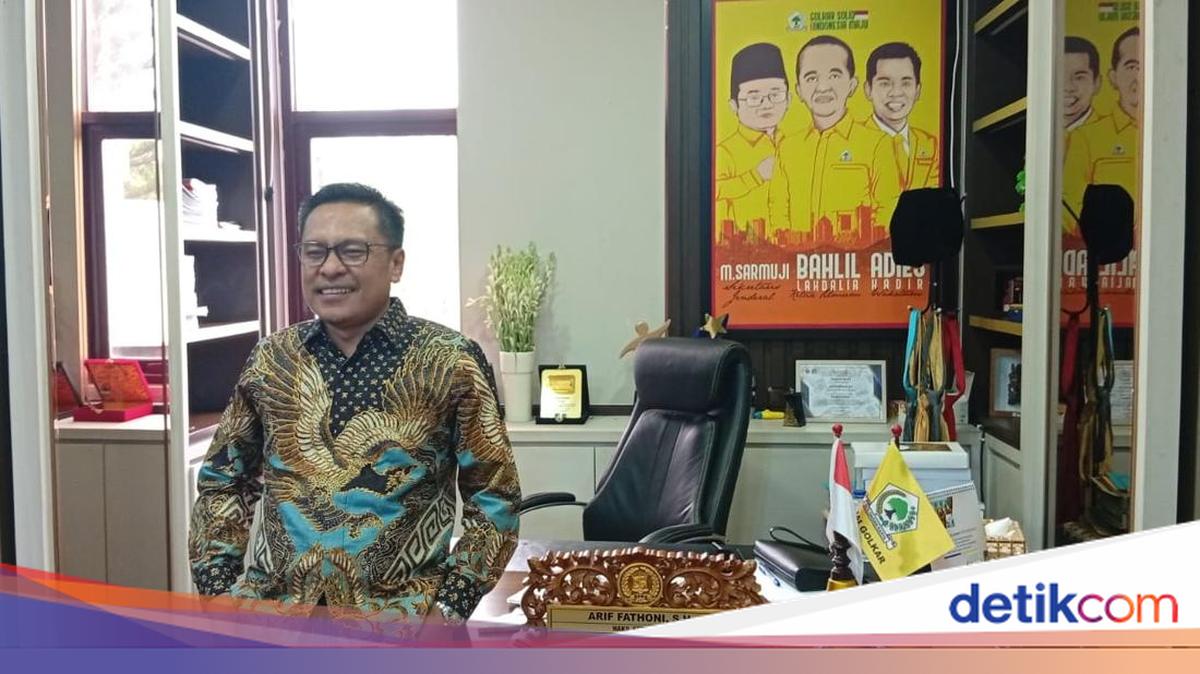
Surabaya Deputy Regional House of Representatives (DPRD) Speaker Arif Fathoni welcomed positive developments in the national manufacturing sector, reflected in a rise in the Purchasing Managers’ Index (PMI). Indonesia’s manufacturing PMI climbed to 54.0 in October 2026, from 52.4 in September.
Fathoni said the strengthening of national manufacturing activity offered Surabaya an opportunity to attract more investment and reinforce its processing industry. He expressed hope that the industrial upturn would open new investment opportunities in the City of Heroes.
The Surabaya City Government should seize the positive trend so that it contributes to economic growth, job creation and greater competitiveness for local industry.
“As a DPRD leader, I welcome this positive development. Hopefully, Surabaya can make use of this momentum to open up new investment opportunities and drive regional economic growth,” Fathoni said in a statement on Thursday (5 November 2026).
He said local governments needed to capitalise on the national industrial growth momentum to strengthen economic activity. Surabaya could take part in this development by creating a favourable investment climate and supporting productive sectors, he said.
Fathoni, widely known as Mas Toni, said the opportunity was particularly relevant because manufacturing remains one of the main pillars of Surabaya’s economy. Statistics Indonesia (BPS) data show that manufacturing accounted for 19.59% of the city’s gross regional domestic product (GRDP) in 2025.
The BPS Surabaya publication, Surabaya City Gross Regional Domestic Product by Industry, 2021–2025, also puts manufacturing’s share of GRDP at 19.59% in 2025. This made it the city’s second-largest sector, after wholesale and retail trade, which accounted for 26.97%.
Surabaya’s manufacturing sector grew by 7.85% in 2025, outpacing the city’s overall economic growth of 5.87%.
Investment climate a foundation for strengthening economic appeal
Data from Surabaya’s Investment and One-Stop Integrated Services Agency (DPMPTSP) show that investment realisation reached Rp23.608 trillion in the first half of 2026, or about 53% of the annual target of Rp44.26 trillion.
The total came from 68,840 projects across a range of business sectors. Fathoni said the figure demonstrated the scale of investment activity in Surabaya and presented an opportunity to strengthen productive sectors and expand employment.
The Golkar legislator added that the investment total gave Surabaya a foundation on which to further enhance its economic appeal. However, higher investment should also deliver greater added value to the regional economy, he said.
Fathoni said job creation was one impact that needed attention. He hoped incoming investment would not only boost business activity but also create more opportunities for local workers.
Surabaya’s Industry and Manpower Agency (Disperinaker) recorded 5,120 new workers placed in jobs by July 2026. The target for employment placements across the whole of 2026 is 8,838.
He said investment growth should therefore go hand in hand with workforce readiness. Industrial labour needs should be linked to vocational education, skills training and improved qualifications, enabling local residents to meet businesses’ requirements.
Praise for the Ministry of Industry’s performance
Fathoni said stronger industry should also create room for local businesses. Involving micro, small and medium-sized enterprises (MSMEs) in corporate supply chains, providing supporting goods and services, and expanding distribution and logistics could spread the economic benefits of investment more widely.
He added that the city government needed to strengthen the investment climate. Greater certainty over permits, ease of doing business and infrastructure support were among the factors that could improve Surabaya’s competitiveness in attracting investors, he said.
According to an S&P Global report released on Monday (2 November 2026), Indonesia’s manufacturing PMI rose to 54.0 in October from 52.4 in September. The reading was further above the 50-point threshold that separates expansion from contraction, indicating that national manufacturing activity remained in growth territory.
Fathoni said the rise was driven by increased production activity and new orders, as well as the positive performance of the Ministry of Industry under Muhamad Sarmuji’s leadership.
“This also reflects positive developments in the national manufacturing sector. Amid this momentum, the Ministry of Industry, under the leadership of Industry Minister M Sarmuji, continues to play a strategic role in strengthening the industrial structure, expanding investment and improving the competitiveness of Indonesian manufacturing,” he said.
He hoped the momentum could be sustained and deliver greater benefits in the form of economic growth, job creation and improved industrial competitiveness.
Fathoni said the positive development in national manufacturing could also give Surabaya an opportunity to strengthen its regional economy by attracting new investment.
“Surabaya must seize the positive momentum in national industrial development by strengthening its investment climate and improving regional economic competitiveness, so that more investment comes in and delivers tangible benefits to the public,” he said.
Source: jawawa.id (https://jawawa.id/newsitem/indonesias-manufacturing-pmi-rises-as-arif-fathoni-urges-surabaya-to-target-new-investment-1793868710)
Originally published by detikcom (https://news.detik.com/berita/d-8739646/pmi-manufaktur-ri-naik-arif-fathoni-harap-surabaya-bidik-investasi-baru), translated from Indonesian