
Indonesia’s Manufacturing Expansion Hits 31-Month High as Export Outlook Brightens
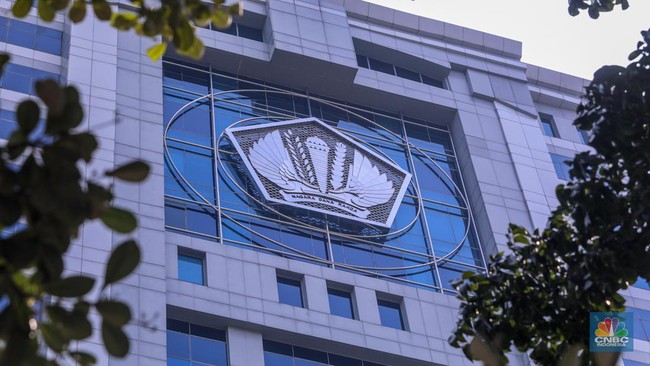
Jakarta — Indonesia’s Finance Ministry has commented on the strengthening of manufacturing activity in October 2026.
Indonesia’s Manufacturing Purchasing Managers’ Index (PMI) rose to 54.0 from 52.4 in September, its highest level since March 2024.
Acting Director-General of Economic and Fiscal Strategy Hidayat Amir said the improvement was underpinned by the fastest growth in new orders since October 2021, alongside rising export demand.
These developments accelerated production and raw-material purchases, while strengthening the industry’s outlook for the fourth quarter of 2026.
He said the government continued to provide support by sustaining domestic demand, improving industrial competitiveness and creating a conducive investment climate.
This is expected to maintain the expansion in production and further boost employment, supporting public welfare.
“Manufacturing expansion strengthens optimism about economic performance amid uncertainty,” Amir said in a press release, quoted on Wednesday (4 November 2026.
He said the expansion also recorded in several trading partners was a positive signal for the outlook for Indonesian export demand.
In ASEAN, Thailand’s PMI remained in expansion territory at 54.8, Vietnam’s stood at 52.3 and Malaysia’s at 51.0. Similar conditions were recorded in India and Taiwan, both at 54.9, and Japan at 53.3.
Among advanced economies, the US manufacturing PMI was 56.0 and Germany’s was 54.2. The eurozone remained in expansion territory at 52.4, although France returned to contraction at 49.3.
Nevertheless, ongoing global economic and geopolitical developments should be monitored and addressed by strengthening the domestic economy and the competitiveness of national products.
On the external front, Indonesia recorded another trade surplus in September 2026, at US$3.36 billion. Exports totalled US$27.59 billion, up 11.87% year on year.
This was driven mainly by non-oil and gas exports, which reached US$26.64 billion, an increase of 12.39%, with the manufacturing industry as the largest contributor.
Imports, meanwhile, totalled US$24.24 billion, up 18.41% year on year, driven primarily by increased imports of raw and intermediate materials. The cumulative trade balance remained in surplus by US$10.61 billion in January–September 2026.
Amir said export performance helped support external-sector resilience, while higher imports of raw materials and capital goods indicated continued domestic production and investment activity.
Inflation was contained at 3.23% year on year in October 2026, easing slightly from 3.28% in September. This reflected slower core inflation, while administered prices remained stable and volatile food inflation increased.
Core inflation fell significantly to 2.56%, as imported inflation pressures moderated and gold prices also rose more slowly. Administered-price inflation was 3.24%, relatively stable as national energy pricing policies kept subsidised fuel affordable towards the end of the year.
Meanwhile, the effects of El Niño and weather disruptions on the production of several food items pushed volatile food inflation up to 5.81% year on year.
Prices rose for some horticultural products, including chillies, tomatoes and other vegetables. By contrast, prices fell for several other food items, including chicken meat and eggs, fresh fish and various types of onion.
“The government continues to strengthen policies to sustain economic growth momentum by raising industrial productivity, improving export competitiveness and strengthening investment,” he said.
Source: jawawa.id (https://jawawa.id/newsitem/indonesias-manufacturing-expansion-hits-31-month-high-as-export-outlook-brightens-1793764278)
Originally published by CNBC Indonesia (https://www.cnbcindonesia.com/news/20261104091158-4-782126/ekspansi-manufaktur-ri-rekor-tertinggi-31-bulan-prospek-ekspor-cerah), translated from Indonesian