
Indonesia's JKN Achieves Near-Universal Coverage in 12 Years, Surpassing Global Benchmarks
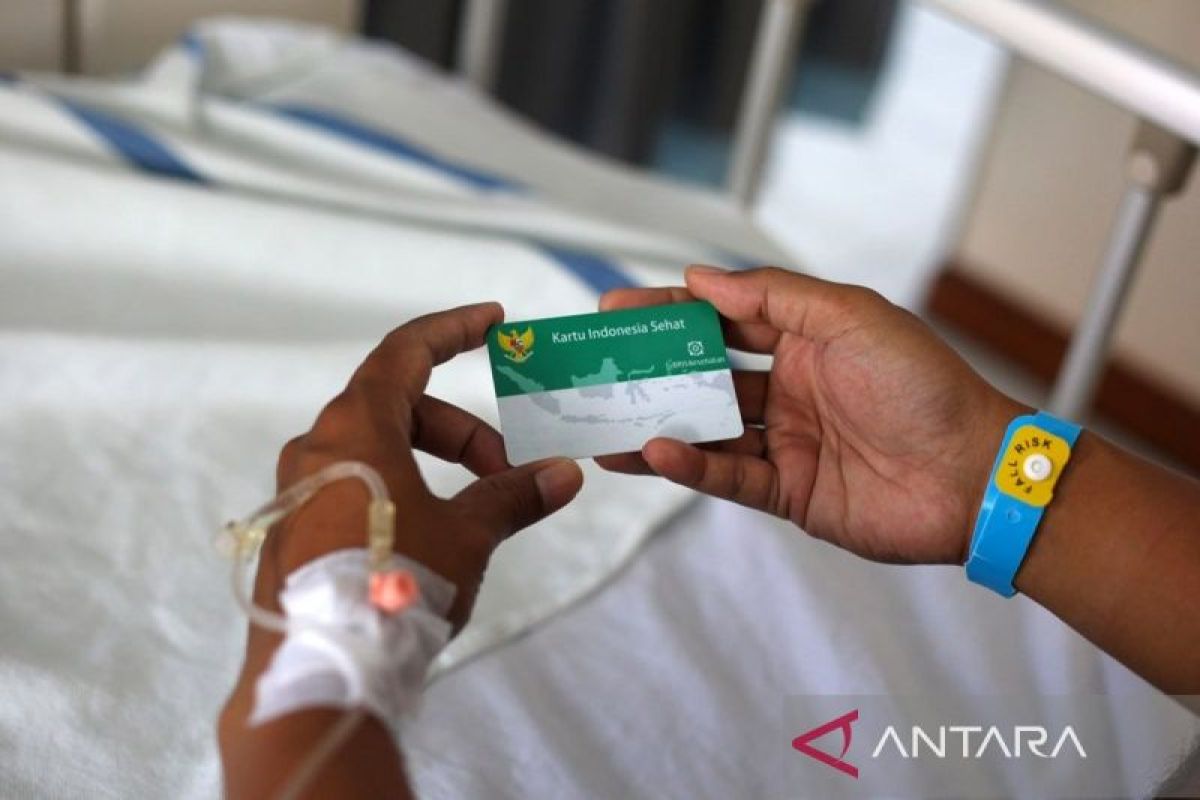
Building the National Health Insurance (JKN) into a system that reaches almost the entire Indonesian population in just twelve years is no simple achievement. In many countries, a similar process takes decades to realise.
Before 2014, the health insurance system in Indonesia was fragmented into various schemes operating independently. State apparatus and pensioners were protected through Askes (Health Insurance), private formal sector workers through Jamsostek (Workers’ Social Security), whilst the poor and near-poor received protection through the Public Health Insurance (Jamkesmas) scheme, which covered around 76.4 million people not protected by other schemes. Outside these three main schemes, dozens of regional governments also managed their own health insurance programmes with differing rules and benefits.
This fragmented condition was then unified through the National Social Security System Law, passed in 2004, and strengthened by the BPJS Law in 2011. Both became the foundation for the birth of a single administering body with a single national scheme called the National Health Insurance (JKN), which officially commenced on 1 January 2014.
Twelve years later, this single scheme has reached more than 285 million people, or over 98 percent of Indonesia’s population. Its implementation is supported by 23,682 primary health facilities and 3,221 hospitals and clinics in partnership with BPJS Kesehatan. According to international research published in the ScienceDirect journal in 2025, this achievement makes JKN the largest single-payer health insurance scheme in the world.
This scale becomes more meaningful when placed in the context of other nations. Thailand, for instance, through its Universal Coverage Scheme often cited as a benchmark in Southeast Asia, launched its 30-Baht scheme in 2002 and only approached 99 percent membership coverage by 2025. In other words, Thailand required around 23 years to achieve that level of protection, with a relatively homogeneous population of around 70 million and far simpler geographical challenges. Indonesia, conversely, achieved nearly the same coverage in less than half the time, despite having a population almost four times larger, spread across thousands of islands, and facing far more complex healthcare distribution challenges.