
Indonesia's Investment Liabilities Decrease, Foreign Capital Inflows Persist
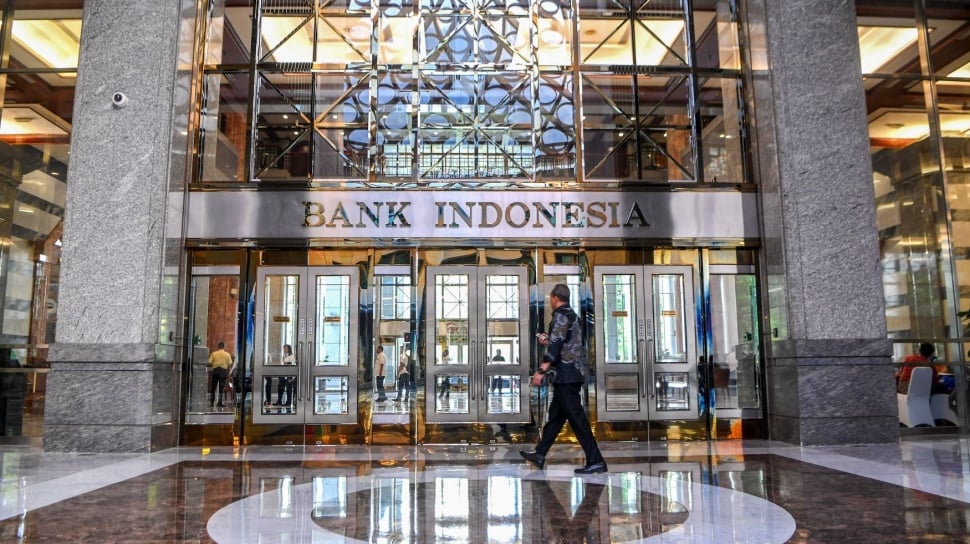
Bank Indonesia (BI) recorded Indonesia’s International Investment Position (PII) at $19lar 197.4 billion in the second quarter of 2026. This figure represents a decrease from the previous quarter’s position of $223.0 billion.
The reduction in net liabilities primarily stems from a decline in Foreign Financial Liabilities (KFLN) and an increase in Indonesia’s Foreign Financial Assets (AFLN).
“Bank Indonesia considers the development of Indonesia’s PII in the second quarter of 2026 to remain stable, thereby supporting external resilience,” stated BI Executive Director of Communications, Ramdan Denny Prakoso, in an official statement released on Sunday (13/9/2026).
Indonesia’s KFLN position at the end of the second quarter of 2026 was recorded at $769.0 billion, a 1.9 per cent decrease quarter-on-quarter (qtq) from the position at the end of the first quarter of 2026, which stood at $83.7 billion.
Despite the decline in the KFLN position, foreign capital inflows through direct investment and portfolio investment have continued. This condition reflects the sustained positive perception of investors towards domestic economic prospects, controlled inflation, and attractive investment yields.
The development of the KFLN position was also influenced by the decrease in the value of domestic financial instruments due to price revaluation factors and the strengthening of the US dollar against most global currencies, including the rupiah.
On the other hand, Indonesia’s AFLN position increased. At the end of the second quarter of 2026, AFLN was recorded at $571.5 billion, a 1.9 per cent quarterly increase compared to $560.7 billion at the end of the first quarter of 2026.
Most components of the AFLN experienced an increase in position, particularly in other investment assets, direct investment, and portfolio investment.
BI also noted that Indonesia’s PII ratio to Gross Domestic Product (GDP) in the second quarter of 2026 was 13.3 per cent, lower than the 15.2 per cent recorded in the first quarter of 2026.
Furthermore, the structure of Indonesia’s PII liabilities is still dominated by long-term instruments, particularly in the form of direct investment. This condition is one of the factors supporting Indonesia’s external resilience. BI will continue to monitor potential risks related to the net PII liabilities to the Indonesian economy.
“Moving forward, Bank Indonesia will continuously monitor global economic dynamics that may affect the prospects of Indonesia’s PII and will continue to strengthen the policy mix response, supported by close policy synergy with the Government and relevant authorities to bolster external sector resilience,” concluded Ramdan.