
Indonesia's Horticulture Industry Faces Climate Challenges and Rising Production Costs
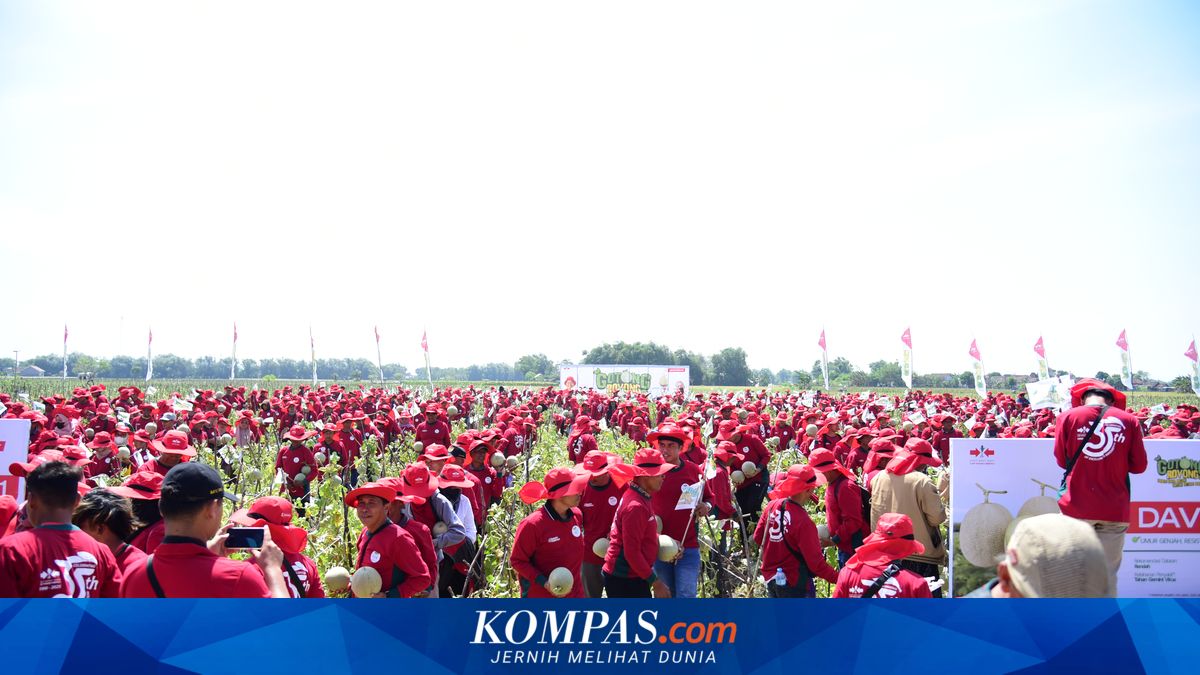
Indonesia’s national horticulture industry is facing considerable pressure due to climate change and rising production costs. To maintain the sustainability of supply, PT East West Seed Indonesia (Ewindo) is focusing on developing superior seed varieties that are adaptive to various environmental conditions.
Ewindo’s Managing Director, Glenn Pardede, stated that the sustainability of the vegetable food system heavily relies on the availability of high-quality seeds. This is crucial because vegetables are commodities that must be consumed fresh and cannot be stored for long periods.
“What is needed is continuity of supply, because vegetables cannot be stored for long; they must always be fresh. Therefore, seeds must always be available to ensure the supply reaches consumers,” said Glenn in Jakarta on Wednesday (22/4/2026).
He explained that the use of superior seeds has proven to significantly increase productivity. Based on internal research, high-quality seeds can boost harvest yields by 20-50%, making them an essential need for farmers in facing cost pressures and extreme weather.
“Superior quality seeds can increase yields by 20 to 50 percent. That’s why farmers greatly need superior seeds to optimise their production,” he clarified.
“Fertiliser and pesticide prices have already risen by around 40 percent, and plastic prices by over 100 percent. This makes planting costs increasingly burdensome for farmers,” Glenn revealed.
To address these challenges, Ewindo continues to develop plant varieties that are more adaptive to specific regional conditions, whether in lowlands or highlands.
Differences in environmental characteristics are considered to require different genetic approaches so that plants remain productive and resistant to diseases.
“For superior varieties, adaptability is key. For example, with chilli plants, even though they are the same, genetically they differ because one is more resistant in the lowlands and must be more disease-resistant compared to those in the highlands,” he said.
The company is also actively developing urban farming programmes and agricultural education in schools as part of efforts to increase healthy food consumption.
“We believe that superior seeds must be accompanied by proper cultivation practices. Because good products will not be optimal if farmers do not understand the correct planting methods,” he emphasised.