
Indonesia's 'Hidden Treasure' Often Discarded, Value Addition Could Increase Ninefold
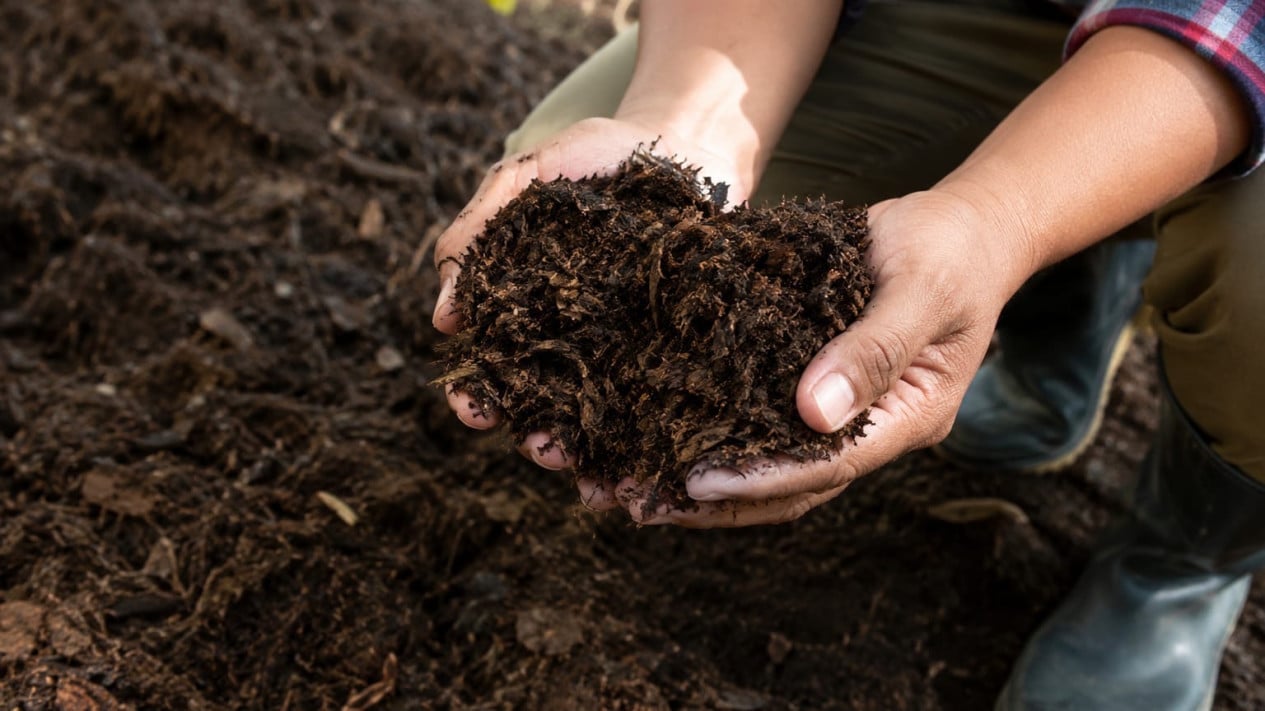
Indonesia has a variety of resources that have not been utilised optimally despite holding significant economic potential. One such resource is biomass, or waste from plantation activities, which has largely been viewed merely as production residue. Through the implementation of a circular economy, this material can be processed into various value-added products while opening up opportunities for new industrial development.
One biomass source with substantial potential comes from the oil palm industry. Various types of waste, ranging from palm fronds and trunks, empty fruit bunches (EFB), shells and fibre, to palm oil mill effluent (POME), still hold economic value if utilised optimally. This was explained by Professor Hariyadi of the Faculty of Agriculture at IPB University. He stated that strengthening circular economy practices is necessary to address various challenges in the national palm oil industry, covering economic, environmental, and social aspects.
According to him, optimising palm oil biomass can provide added value of up to eight to nine times. With plantation areas reaching 16.83 million hectares, Indonesia has a biomass production potential of 261.7 million tonnes of dry matter per year. This figure makes Indonesia the world’s largest producer of palm oil biomass. “The development of oil palm plantation areas in Indonesia has been spectacular. Currently, the recorded area reaches 16.83 million hectares. Therefore, its management must be carried out sustainably,” he said.
He explained that palm oil biomass has various potential uses, including as raw material for compost and organic fertiliser, fuel for biomass power plants, and even as a mixture for cement and construction materials. With a production potential of 261.7 million tonnes per year, palm oil biomass is also considered capable of supporting national renewable energy development. Its utilisation not only supports energy security but also opens up new economic opportunities through downstream industry development.