
Indonesia's Gaming Industry Booms with 60 Local Games Released in April-May 2026
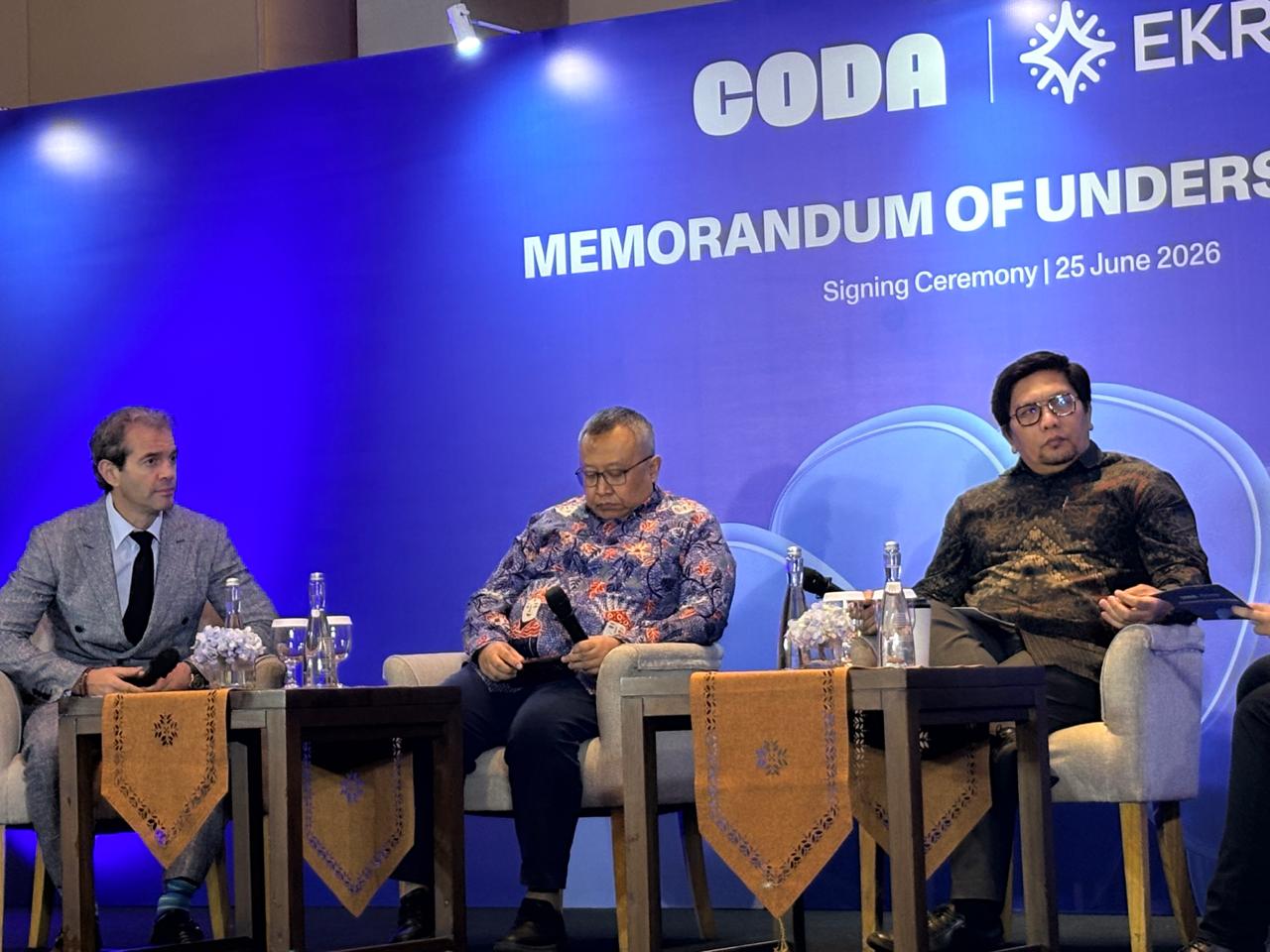
The gaming industry in Indonesia is no longer just a market for foreign developers. Amid rapid technological and digital economic development, local talent is demonstrating extraordinary productivity capable of competing on the global stage. Director of Games at the Ministry of Creative Economy, Luat Sihombing, emphasised that the potential of local game developers is currently massive. Data shows an impressive level of productivity; in the short period between April and May 2026 alone, local developers released more than 60 game titles. “In fact, our local games this year include several that could be considered quite successful in the global market,” Luat said during a public discussion in Jakarta on Thursday (25/6). Not only are games ready for release, but enthusiasm for creating works in game jams—game creation competitions—is also quite high. Luat stated that this year there are around 470 prototype products that could be developed and released to both local and global markets. “Then, if we look at data from CODA (a global digital commerce platform), their global revenue generation sees 22% contributed by the local market. This illustrates how extraordinary the gaming industry ecosystem in Indonesia is,” Luat said. Meanwhile, CODA CEO Shane Happach stated that despite the readiness of domestic gaming talent, developers unfortunately still lack maximum readiness regarding how to properly commercialise their products. Many developers still do not understand what is required to build a viable and commercially sustainable business. “The challenge in the gaming industry here (Indonesia), I think, is about readiness—how to ensure that local game developers understand what needs to be done to successfully develop a commercial and sustainable company,” Happach said. Seeing these challenges, the Ministry of Creative Economy and CODA agreed to establish a cooperation that will equip Indonesian game developers with commercial readiness knowledge, commercial tools, and comprehensive business capabilities. This step is taken to encourage the business scale development of local game developers, thereby expanding their global audience reach and increasing their international competitiveness. “Through this partnership with the Ministry of Creative Economy, we want to assist more developers on that journey. By expanding access to tools, expertise, and global networks, we hope to help more game studios in Indonesia build sustainable businesses and reach players worldwide,” he concluded.