
Indonesia's food sector has potential to enter global Hajj and Umrah supply chain
Jakarta (ANTARA) - Indonesia is considered to have great potential to become an important part of the global Hajj and Umrah supply chain, particularly through the food, agriculture, fisheries, livestock and processed goods sectors.
According to Prof. Dr. Jaenal Effendi, Director General of Hajj and Umrah Economic Ecosystem Development (PE2HU) at the Ministry of Hajj and Umrah, this potential must be supported by structured connectivity, coordination and partnerships so that Indonesian products can compete and enter the Saudi Arabian market in a sustainable manner.
“Hajj catering needs are not limited to ready-to-eat meals, but also encompass various food commodities such as rice, meat, fish, vegetables, spices and processed products,” he said in a statement in Jakarta on Tuesday.
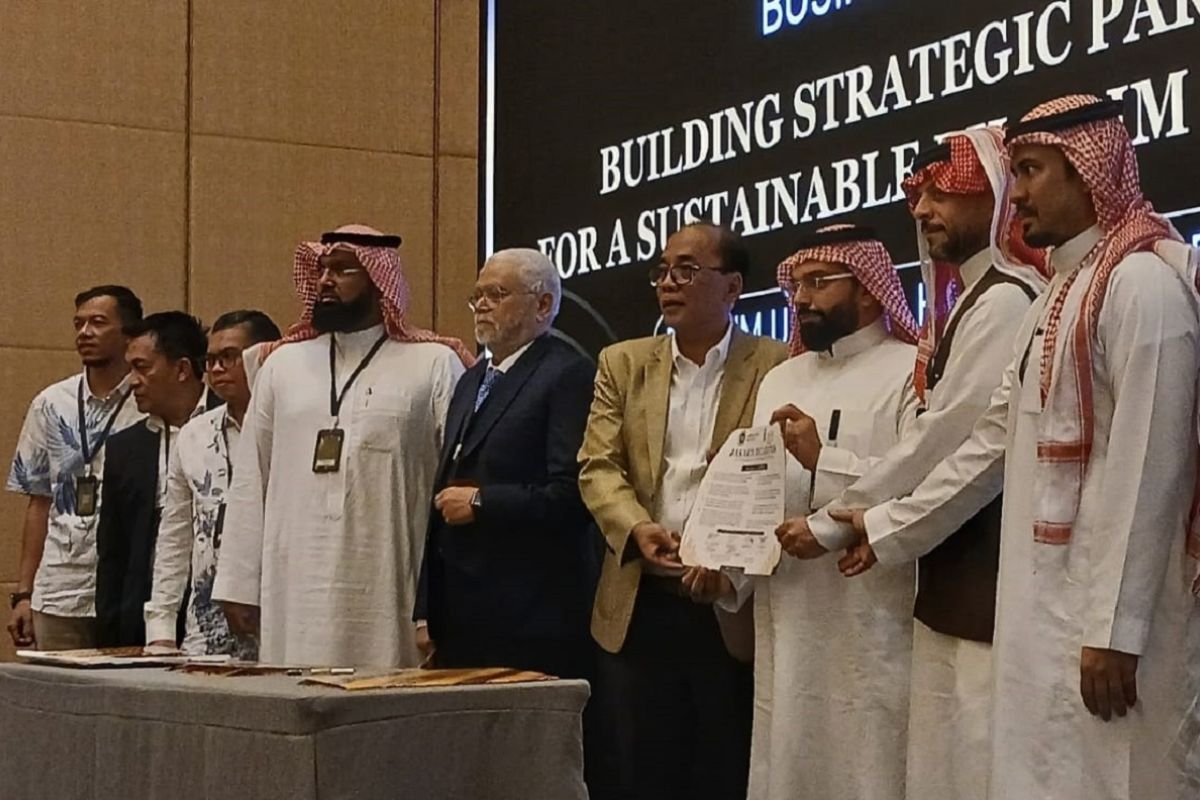
He added that the Business Matching Indonesia–Saudi Arabia Partnership Forum 2026, organised by the Indonesian Hajj and Umrah Trust Association (ASHURI), opens opportunities for Indonesia’s agriculture, livestock, fisheries and food industries to enter the global Hajj and Umrah supply chain.
Jaenal viewed the forum not merely as a meeting point for business players, but as a starting point for building a solid ecosystem so that Indonesian producers, micro, small and medium enterprises (MSMEs) and exporters can enter the Saudi Arabian market in a structured and sustainable manner, and forge lasting business partnerships in support of the Hajj and Umrah economic ecosystem.
“This is where the foundation of a strong Hajj supply chain begins to be built,” he said.
The Directorate General of PE2HU is encouraging export consortia to ensure supplies meet Saudi Arabian standards and to enhance the competitiveness of Indonesian products.