
Indonesia's Favourite Fish Found to Absorb Toxins in Water
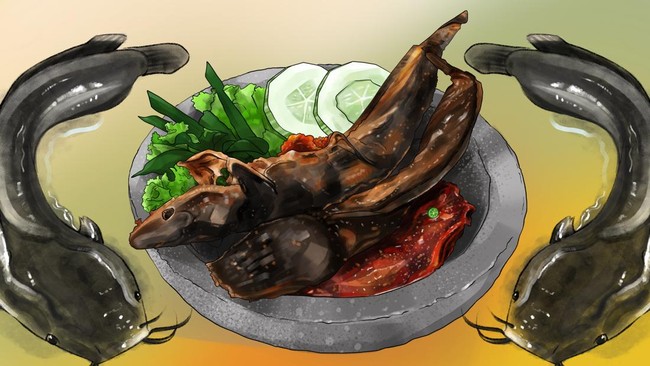
Catfish is one of the most popular fish in Indonesia. Delicious, nutritious, and easy to prepare, catfish has a long history across the globe. There are more than 2,000 species of catfish found on every continent except Antarctica.
According to Seafood Watch, catfish possesses a healthy fat profile. Its saturated fat content is low (approximately 1 gram per serving, depending on the species) while serving as a rich source of omega-3 fatty acids, DHA and EPA (up to 300 milligrams per serving). This means the fish also helps support heart health and brain function.
Nevertheless, research indicates that catfish (Clarias sp. and other catfish species) are capable of accumulating various pollutants, such as heavy metals and persistent organic pollutants, through the absorption of water, contaminated food, and industrial waste, which can subsequently accumulate in the fish’s tissues.
Catfish can accumulate pollutants such as PCBs, pesticides, and heavy metals (mercury, lead, cadmium) from contaminated water and sediment, according to research published in Environmental Research.
Wild catfish from polluted rivers carry a higher risk than catfish from cleaner waters.
A study in the Paraopeba River (Brazil) reported that heavy metals such as Hg, Cd, Cr, Pb, and Zn accumulated in the tissues of catfish. The concentration of heavy metals is often higher in internal organs, indicating a potential health risk if consumed continuously.
To avoid anxiety when consuming catfish, choose fish that are farmed in clean and supervised ponds. This is because the health risks in catfish generally stem from exposure to environmental pollutants rather than the fish itself.
Source: jawawa.id (https://jawawa.id/newsitem/indonesias-favourite-fish-found-to-absorb-toxins-in-water-1783126228)
Originally published by CNBC Indonesia (https://www.cnbcindonesia.com/news/20260704000258-4-747972/ikan-favorit-warga-ri-yang-ternyata-menyerap-racun-dalam-air), translated from Indonesian