
Indonesia's Energy Transition Strategy: The Role of Geothermal and PGE
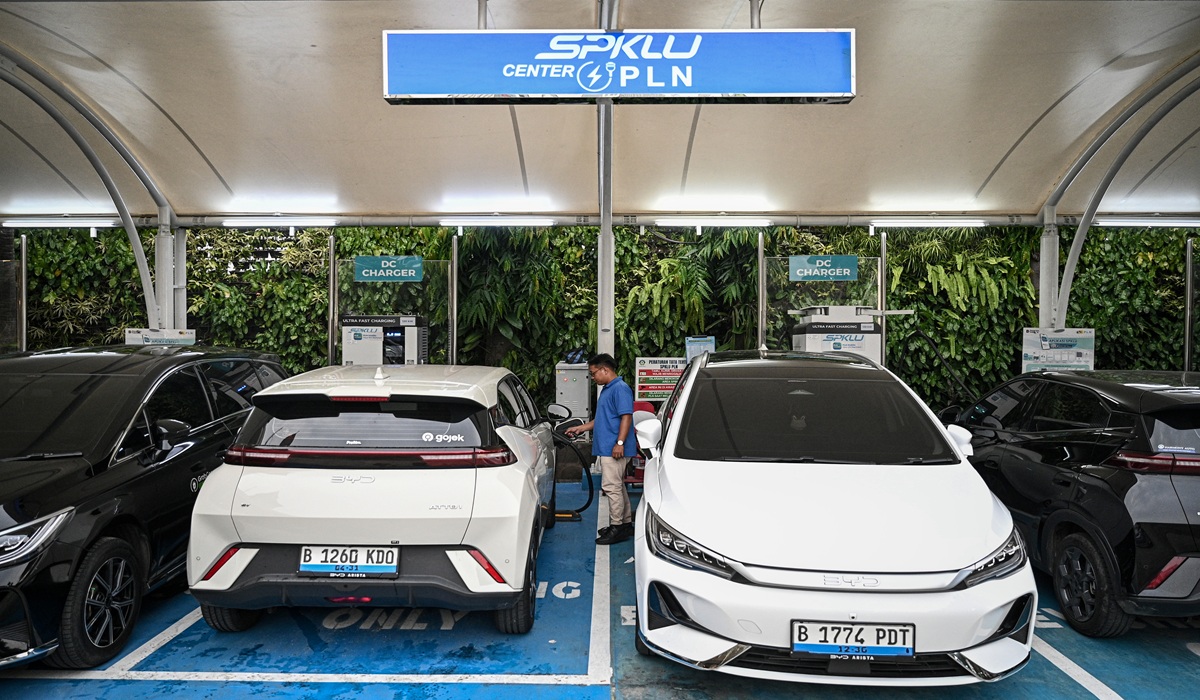
The transition from fossil fuels to clean energy is an urgent agenda for Indonesia. Energy transition expert from the Bandung Institute of Technology (ITB), Retno Gumilang Dewi, asserted that accelerating this transition is not merely an environmental issue, but a strategic step to realise national energy independence. Speaking at a discussion forum in Jakarta on Tuesday (19/5/2026), Retno highlighted Indonesia’s advantageous position due to its wealth of natural resources, particularly geothermal energy. She noted that amidst global geopolitical uncertainty disrupting the world’s energy supply chains, Indonesia possesses strong capital to secure its own energy needs. “Indonesia is fortunate to have vast geothermal resources. This is important capital to ensure the energy transition proceeds without sacrificing national energy security,” Retno said. Retno specifically mentioned the strategic role of PT Pertamina Geothermal Energy Tbk (PGE) in the national energy roadmap. As an entity experienced in geothermal exploration and development, strengthening PGE is considered to accelerate Indonesia’s steps towards energy independence. Unlike other New and Renewable Energy (NRE) sources such as solar or wind, which are intermittent, geothermal energy offers the advantage of stability. This makes geothermal suitable as the long-term baseload backbone of the national electricity system. Although acceleration is necessary, Retno cautioned that the transition process must not be carried out abruptly. Fossil fuels still play a crucial role in maintaining supply security during the transition period to prevent economic shocks. “If the energy shift is done abruptly, the impact on the economy and society will be enormous. The transition must be carried out gradually while prioritising energy security,” stressed the Senior Fellow of SC UPER. One of the biggest challenges identified is the transport sector, especially for mass transit and heavy vehicles. According to Retno, this sector has high complexity requiring mature infrastructure and technological readiness. To address this, she suggested that the development of various alternative energy sources continues simultaneously. Retno concluded that the Net Zero Emission (NZE) target for 2060 must remain grounded in realistic stages. The balance between reducing emissions and meeting the nation’s ever-increasing energy needs is the main key to the success of Indonesia’s national strategy.