
Indonesia’s Electric Car Market Surges in Four Years, with Startling Figures
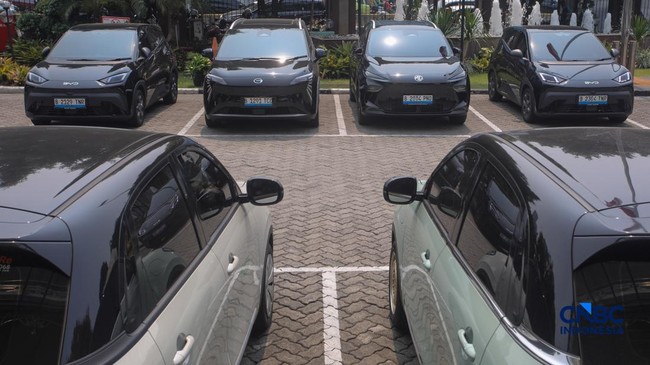
Jakarta, CNBC Indonesia — Electrified vehicles are gaining ground in Indonesia’s automotive market. Battery electric vehicles (BEVs) have recorded an increase in market share in recent years, alongside a growing choice of electric and hybrid cars.
Deputy Industry Minister Faisol Riza said this market development was an important part of the transformation of the national automotive industry. Rising demand is also creating opportunities for manufacturers to expand their range of electrified vehicles to suit Indonesian consumers’ needs.
“By 2026, the number of electric vehicles in Indonesia is expected to exceed 541,000. This includes two- and three-wheeled vehicles, passenger vehicles and others,” he said at the Periklindo Electric Vehicle Conference in Central Jakarta on Wednesday (28 October 2026).
The market shift is evident in the growing share of battery electric cars. Hybrid vehicles are also part of the electrification trend, although their technology and use differ from those of fully electric vehicles.
“On the market side, the BEV share of four-wheeled vehicles rose from 0.99% in 2022 to 16.88% in the January-to-August 2026 period, while hybrids increased to 9.68%,” Faisol said.
The increase in market share presents opportunities for automotive manufacturers to expand investment and introduce new models. However, rising demand must also be matched by the domestic industry’s ability to meet production needs and supply components with an increasingly high level of local content.
The government has set phased targets for the domestic component level (TKDN) in electric vehicles. The policy is intended to ensure that market growth not only boosts vehicle sales but also supports the development of domestic manufacturing.
“The Ministry of Industry has prepared a policy framework to support the development of the electric motor vehicle industry. One important instrument is the TKDN requirement, which is set out in the roadmap,” he said.
Market development also requires investment in technology and key components. Batteries are a particular focus because they play an important role in production capacity, vehicle costs and the depth of the national electric vehicle supply chain.
Electric vehicle growth therefore needs to be accompanied by improvements in industrial capacity and product quality. Balancing market demand, investment and manufacturing capability will be crucial to sustaining the automotive transformation.
“As we approach 2027, we need to ensure that growth in the electric vehicle industry delivers greater benefits to the national economy,” Faisol said.