
Indonesia's Digital Competitiveness Rises, but Human Resource Quality Remains a Challenge
Indonesia’s digital transformation continues to show a positive trend, marked by more equitable infrastructure and increased digital economic activity across various regions. The latest East Ventures – Digital Competitiveness Index (EV-DCI) 2026 report, compiled with the Katadata Insight Center, reveals that national digital competitiveness has improved consistently.
Based on the report’s data, 37 of Indonesia’s 38 provinces recorded an increase in their digital competitiveness scores. Furthermore, 47 of the 50 indicators composing the index also showed significant improvement. The national median EV-DCI score rose from 38.8 in 2025 to 42.2 in 2026. Since the index was first launched in 2020, the average provincial digital competitiveness score has surged by more than 50%.
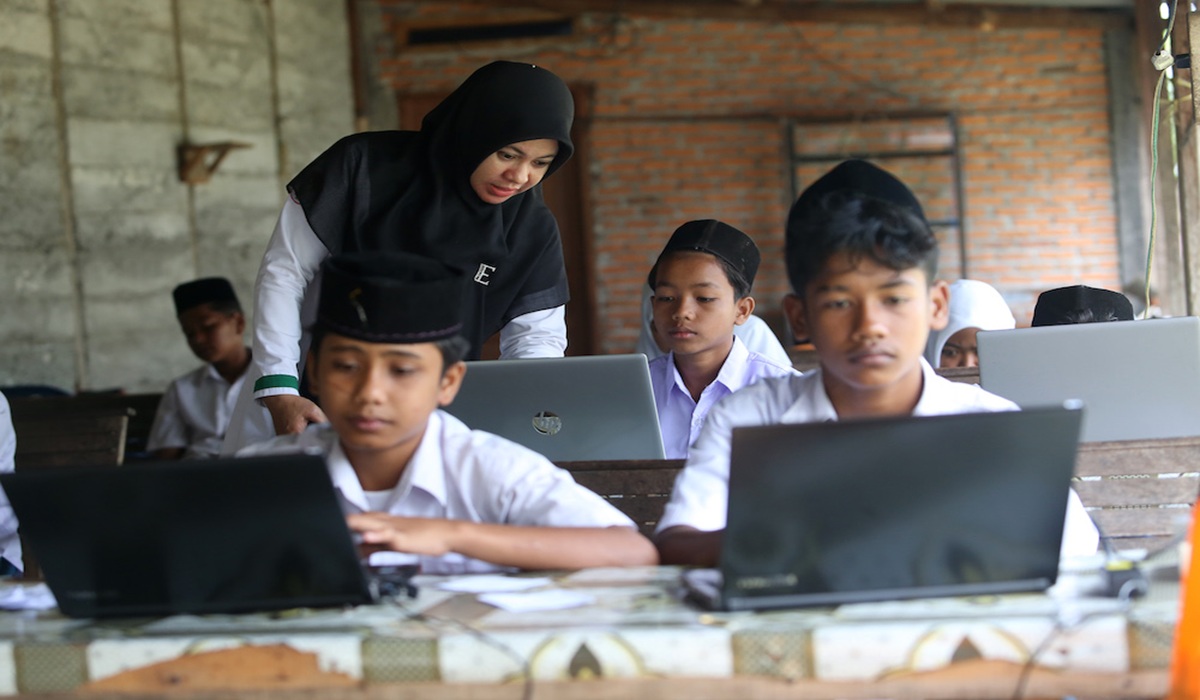
Despite the general improvement, the report provides a critical note on the Human Resources (HR) sector. The HR pillar was the only component to experience a score decline, dropping by 2.5 points in the EV-DCI 2026. This decrease covers indicators such as the number of university students, lecturers, digital study programmes, and the community’s digital literacy index.
Inter-regional disparity also remains a major challenge. There is a score gap of nearly 60 points between the province with the highest competitiveness and the one with the lowest. This indicates that already advanced regions are developing much faster than those left behind.
The need for qualified digital talent is becoming more urgent as Indonesia enters the Artificial Intelligence (AI) era. Currently, Indonesia ranks among the top ten countries with the most generative AI users globally. AI is predicted to potentially contribute up to 12% to Indonesia’s GDP, equivalent to US$366 billion, if supported by competent human resources.
However, a real challenge is visible in the distribution of HR capacity. The digital HR score in Java is recorded as 2.3 times higher than in Sumatra and Kalimantan, and nearly three times higher than in Maluku and Papua.
MySkill CEO Angga Fauzan highlighted the skills gap between formal education graduates and industry needs. According to him, formal education curricula are often slow to adapt to rapid technological changes. “One of the challenges is the uneven dissemination of information about the latest technology. Translating constantly changing technology into practical information for the public also remains a major challenge,” Angga said. He added that edutech platforms and bootcamps can serve as a bridge to accelerate digital talent upskilling through training with senior practitioners.
Melisa Irene, Partner at East Ventures, stressed the importance of cross-sector collaboration to ensure talent development proceeds in line with technological innovation. The main focus going forward is strengthening AI competencies and preparing human resources relevant to future needs. “With competitive talent, Indonesia can not only be a market for digital technology but also produce innovations capable of competing at the global level,” Melisa concluded.