
Indonesia’s Data Centre Investment Boom Could Benefit Clean Water Suppliers
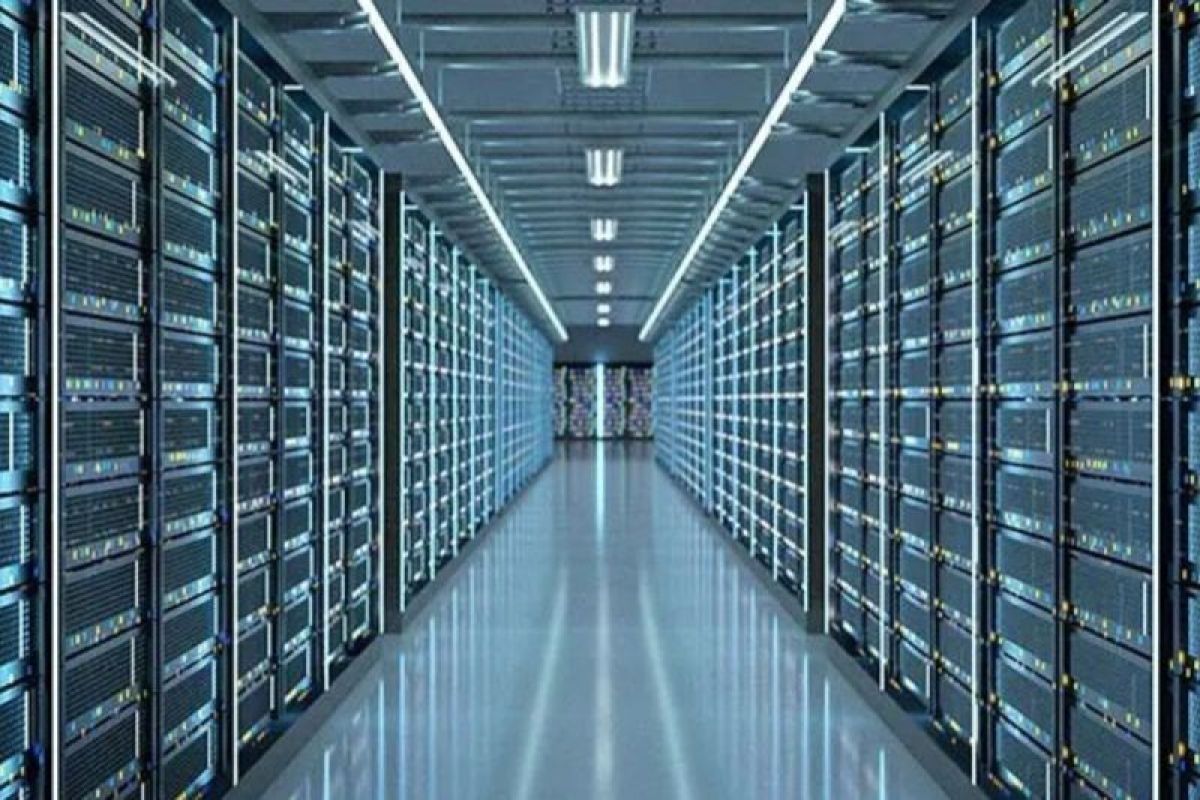
Jakarta (ANTARA) — The rapid development of artificial intelligence (AI) in Indonesia has made it an increasingly common part of people’s daily lives. This is also driving demand for digital infrastructure, particularly data centres, which require energy and water to operate.
The e-Conomy SEA 2025 report records that around 80 per cent of Indonesian digital users use AI-based services every day. Meanwhile, revenue from AI-based applications rose by 127 per cent in a year, the highest increase in South-east Asia.
This growth presents significant opportunities for the development of the national digital economy. However, rising computing needs also bring new challenges, particularly ensuring water is available for data-centre cooling without disrupting public needs.
Indonesia has abundant water resources. The main challenge, however, is not simply the volume of water available, but the capacity to manage, treat, allocate and distribute it sustainably.
Riana Afriadi, president director of the Gapura Tirta Rahayu Regional Drinking Water Company, stressed that water sources must be matched by adequate treatment and distribution infrastructure.
“However great our water-resource potential may be, without adequate infrastructure our ability to treat and distribute water will remain limited,” Riana said.
In her view, digital infrastructure development must balance industrial demand with the public’s right to access clean water.
Data centres could strengthen water infrastructure
Data centres, as large-scale industrial customers, do not necessarily threaten the public’s water supply. If managed properly, the sector could instead bring economic benefits to water service providers.
Riana said increased industrial demand for water could create investment opportunities to strengthen clean-water supply systems.
“We do not see the presence of data centres simply as an increase in water demand. We see it as an opportunity,” she said.
Additional revenue from industrial customers could be used to increase production capacity, upgrade treatment facilities, extend pipe networks and improve services for the public.
Digital industry growth could therefore have a positive impact on water infrastructure development, provided household needs remain the top priority.
Data centres also do not necessarily draw water from the same sources or allocations as those serving the public. Each region has different circumstances in terms of raw-water availability, treatment capacity and distribution networks.
In Purwakarta Regency, for example, the local government has said that some of the raw-water allocation for the drinking-water supply system is not yet being used to its full capacity.
Part of this available capacity could potentially serve industrial needs, including those of data centres, while maintaining clean-water services for residents.
This illustrates why data-centre water use should be assessed in light of local capacity and environmental limits, rather than consumption levels alone.
Cooling technology is key to efficiency
Alongside water-resource management, the choice of cooling technology is an important factor in determining a data centre’s water consumption.
Conventional systems such as cooling towers and evaporative cooling use water to release heat through evaporation.
Technological advances have enabled data-centre operators to adopt more efficient systems, including air-cooled chillers, economisers, closed-loop cooling and dry cooling.
These technologies can help reduce reliance on water, although each system has different energy requirements and operational characteristics.
Data-centre construction should therefore take account of several factors, including water sources, treatment capacity, cooling technology, water reuse and seasonal changes.
This approach is important to ensure that digital infrastructure expansion does not place excessive pressure on local water resources.
Sustainable governance is a priority
Data-centre development also requires clear regulation and governance so that growth in the digital economy goes hand in hand with environmental protection.
The government and industry must ensure that every data-centre project takes account of local environmental capacity, infrastructure availability and the needs of nearby communities.
Satya Yudha, a member of the National Energy Council, said Indonesia had a major opportunity to integrate digital infrastructure development with renewable energy and water-resource management.
“Indonesia has room to develop a combination of digital infrastructure, renewable energy and water resources,” Satya said.
Such integration is an important step towards strengthening Indonesia’s appeal as a data-centre investment destination while protecting environmental sustainability.
With careful planning, water-efficient technologies and consistent oversight, the growth of the AI industry is expected to deliver economic benefits without reducing public access to clean water.
Water security and digital infrastructure development must ultimately advance together to ensure Indonesia’s economic transformation is inclusive and sustainable.
Source: jawawa.id (https://jawawa.id/newsitem/indonesias-data-centre-investment-boom-could-benefit-clean-water-suppliers-1791885310)
Originally published by Antara (Indonesian) (https://www.antaranews.com/berita/5783520/indonesia-diburu-investasi-data-center-pemasok-air-bersih-bisa-kecipratan), translated from Indonesian