
Indonesia's Crude Palm Oil Export Price Manipulation Has Been Ongoing for a Long Time — Where Does the Fault Lie?
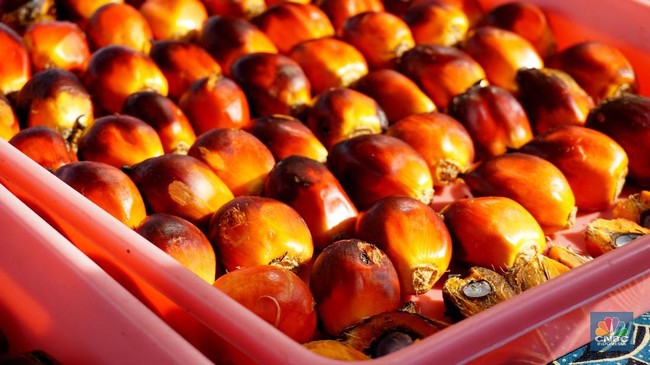
Jakarta, CNBC Indonesia - Allegations of manipulation of crude palm oil (CPO) export values have come under scrutiny after a significant discrepancy emerged between Indonesia’s export data and import values in destination countries. The finding raises questions about potential revenue leakage from the palm oil sector.
Executive Director of the Palm Oil Agribusiness Strategic Policy Institute (PASPI), Tungkot Sipayung, said the indication is not a new issue in Indonesia’s palm oil trade. ‘If you look at the data, it’s been going on for a long time,’ Tungkot told CNBC Indonesia on Thursday (21 May 2026).
Attention on palm oil export practices intensified after several studies found a sizeable price gap between the value of Indonesia’s exports and the resale price in intermediary countries, particularly Singapore.
In NEXT Indonesia’s study, the price of processed palm products imported from Indonesia to Singapore was recorded at around US$600-1,300 per tonne. However, the same products re-exported by Singapore to the global market fetched prices of US$1,000-1,900 per tonne.
That price gap even reached US$634 per tonne in 2022. For crude palm oil, or CPO, the price gap during 2015-2019 was reported to be around US$294 to US$797 per tonne.
This situation raises suspicions of transfer pricing practices or under-invoicing that could depress government revenue from taxes and export levies. Tungkot says the problem is not detached from gaps in the national export monitoring system.
‘Why does this happen? Well, there are unscrupulous exporters, but also weaknesses in our customs authorities. This was also highlighted by the President in his speech yesterday,’ he said.
Earlier, Finance Minister Purbaya Yudhi Sadewa claimed to have identified the names of 10 palm oil companies that manipulated trade invoices, i.e., under-invoicing. He described these companies as large-scale.
One of the companies, he said, recorded an export price of US$2.6 million, while the importer in the US paid US$4.2 million. ‘So the difference is 57 per cent,’ he said. ‘There are even more shocking cases. Another company here exported US$1.44 million while the imported value there was around US$4 million. The price changed by about 200 per cent. We want to detect ship by ship. So that’s what I reported if asked,’ said Purbaya.