
Indonesia's Clean Energy Transition Accelerates
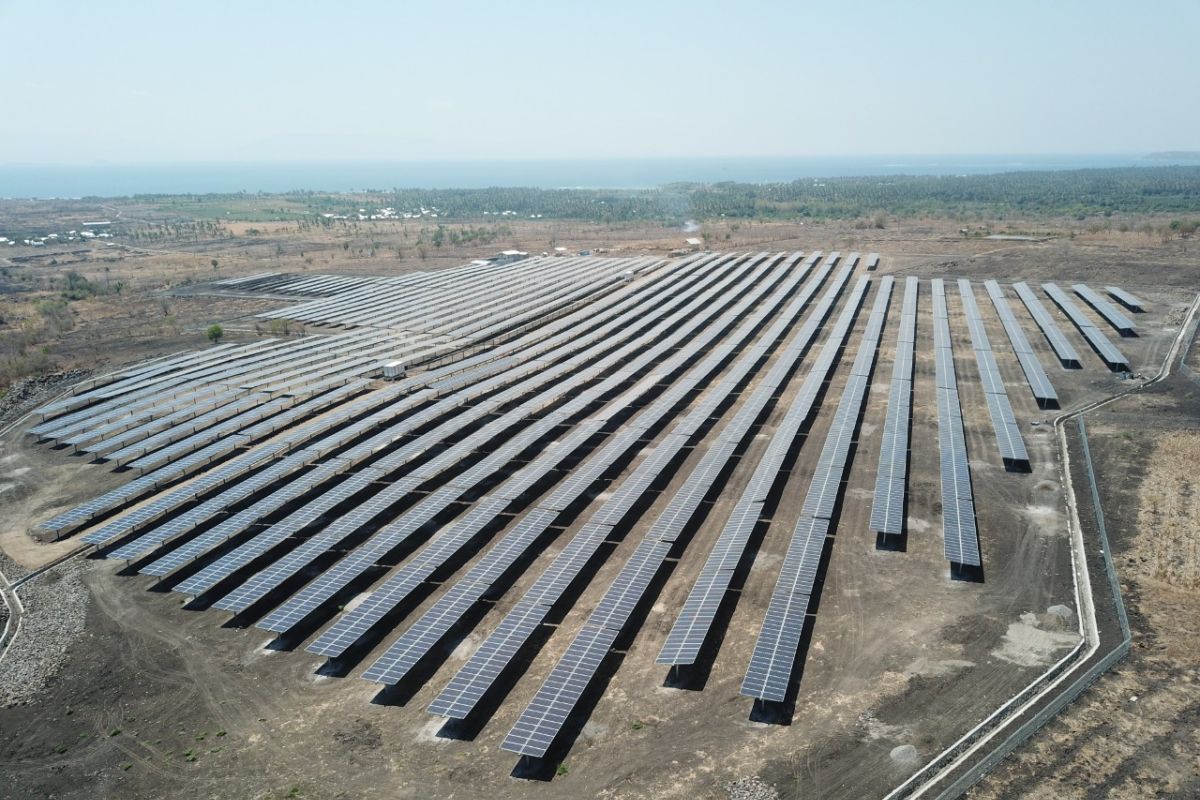
For the first time in several years, Indonesia’s renewable energy achievements have not had to wait until the end of the year to reach their target. As of April 2026, the contribution of new and renewable energy (EBT) to the national power generation mix reached 17.89%, equivalent to electricity production of 29.62 terawatt hours (TWh). This figure is higher than the previous year’s achievement and has simultaneously surpassed the government’s target for the whole of 2026, which was 16.46%. This means the annual target was met before the year even reached its midpoint, with eight months still remaining.
This change is striking when compared to the movement in recent years. In 2024, the national EBT mix was at 14.65%, rising to 15.75% a year later—an increase of about one percentage point over a full year. In contrast, the contribution of renewable energy jumped by more than two percentage points in just the first four months of 2026. This difference in pace indicates a shift in the speed of the national energy transition, moving from a slow increase to a much faster growth rate.
One of the main drivers comes from projects that have been in the planning or construction stages for years and are now beginning to generate electricity at full capacity. Several hydropower plants (PLTA), part of strategic national electricity projects, have started feeding into the system. At the same time, the programme to reduce dependence on diesel power plants is progressing more rapidly than in previous years. A major influence on this change of direction is the Electricity Supply Business Plan (RUPTL) 2025-2034, in which renewable energy has been given a much larger portion than in previous periods. Of the total additional generating capacity planned over the next decade, around 76% will come from renewable sources. Clean energy in Indonesia is no longer positioned as a complement to the national electricity system; it is becoming the primary source of new capacity growth. Crucially, the implementation of this plan is now visible on the ground. Within a year of the RUPTL’s publication, nearly half of the planned EBT development portion has entered the execution phase, indicating that the planning document is not merely an administrative target but is being translated into real projects.
This development is not occurring evenly across all regions of Indonesia. Sumatra stands out as one of the most interesting examples. On that island, the renewable energy mix has reached 41.76% of total electricity production. In other words, more than four out of every ten units of electricity generated in Sumatra come from clean energy sources. Sumatra has long possessed a combination of resources difficult for other regions to match, ranging from geothermal and hydropower potential to biomass. As power generation projects begin operating and the electricity grid becomes more integrated, this resource advantage is starting to be reflected in the composition of its electricity production. At the national level, hydropower remains the backbone of Indonesia’s renewable energy, with its large capacity ensuring its contribution continues to dominate compared to other green energy sources. It is followed by biomass and geothermal energy, which have been Indonesia’s mainstays for years in reducing the use of fossil fuels.