
Indonesia's BNPP Holds Public Lecture in NTT, Invites Students to Build the Future of Border Areas
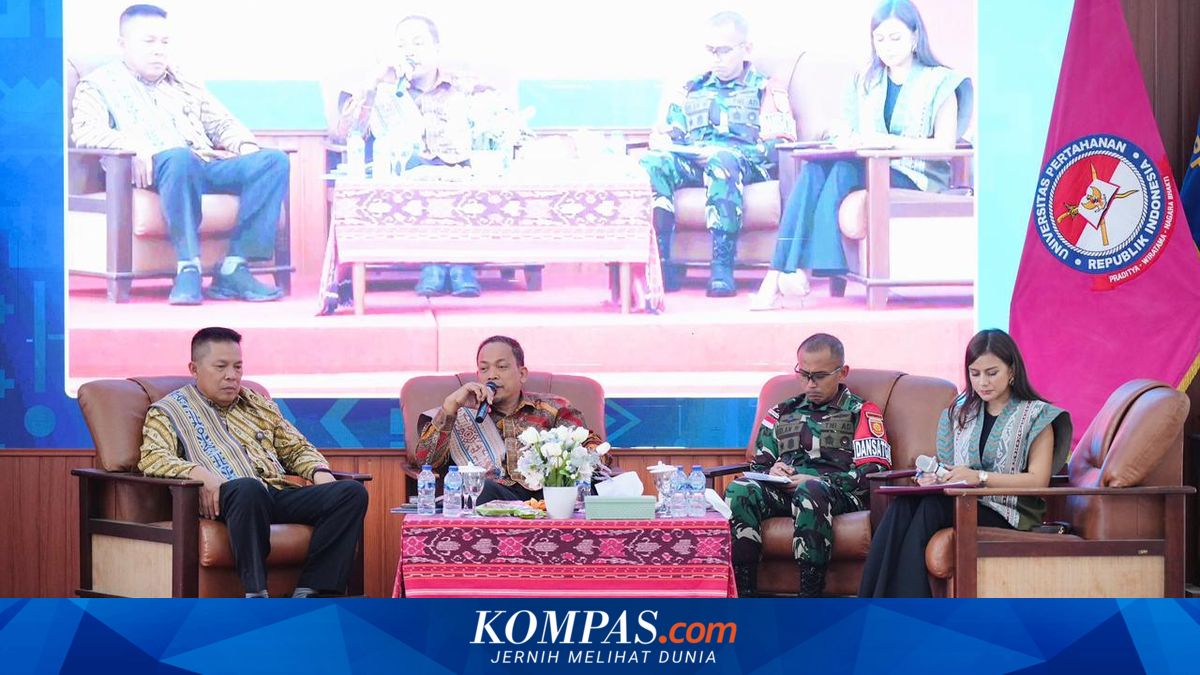
The National Border Management Agency (BNPP) of Indonesia has once again held the BNPP Directly Engaging Students (Menyala) programme, packaged as an interactive public lecture at the Ben Mboi Polytechnic, National Defence University (Unhan), in Belu Regency, East Nusa Tenggara (NTT), on Saturday (25/4/2026). Led by Minister of Home Affairs Muhammad Tito Karnavian as the ex officio Head of BNPP, the event serves as a strategic effort by BNPP to strengthen young people’s understanding of state border management as an important part of Indonesia’s future. The public lecture was opened by BNPP Deputy for State Border Management, Nurdin, who presented material on the complexity of managing the borders of the Unitary State of the Republic of Indonesia (NKRI). In his presentation, he emphasised that Indonesia has maritime borders with ten countries and land borders with three countries, thus requiring strong, integrated, and sustainable governance. “Without an advanced economy and high productivity, welfare will take a long time to achieve. Therefore, building borders means building the economy of its people,” he stated in a press release received by Kompas.com on Sunday (26/4/2026). On that occasion, Nurdin also encouraged students to utilise State Border Crossings (PLBN) as field learning laboratories. He explained that the increasing movement of people and goods at integrated PLBNs is an indicator of economic progress and a golden opportunity that needs to be managed optimally, especially at PLBN Motaain and Motamasin, which are economic growth centres in NTT and the main suppliers of needs to Timor Leste. The second speaker at the public lecture was BNPP Expert Group member Hamidin. He presented material on geopolitics and the urgency of Indonesia’s borders amid global dynamics. Hamidin assessed that global geopolitical tensions directly impact global economic and political stability, so future border management must be oriented towards strengthening the economy and bilateral cooperation. “Speaking of the future of borders is not enough to just talk about defence and security. That is important, but the main focus is to enliven the economy with equal cooperation,” he said. Through integrated management, he is optimistic that Indonesia’s border areas in the next decade will become advanced regions no less than world border management models. “In the end, the ones who will feel the impact the most are the border communities who will become increasingly prosperous,” said Hamidin.