
Indonesia’s Bargaining Power in Tackling Transnational Crime Has Increased
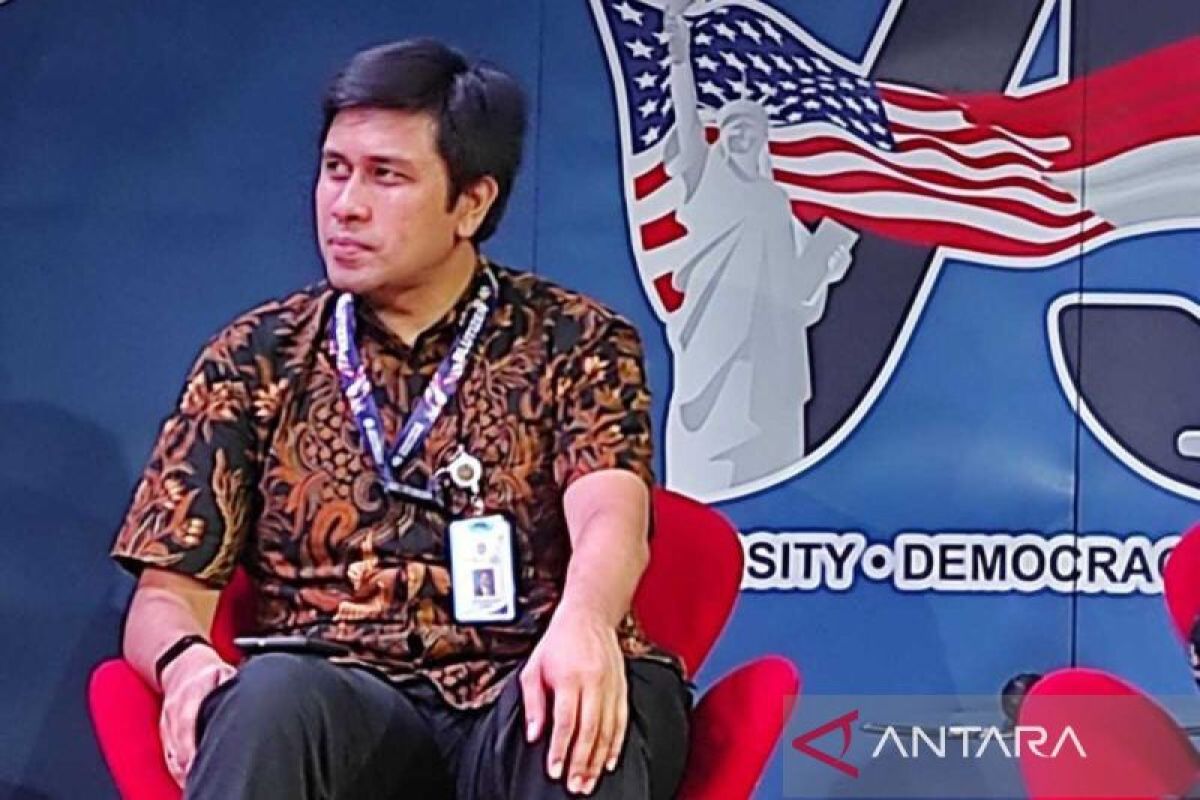
Jakarta (ANTARA) – International relations analyst Andrea Abdul Rahman Azzqy of Budi Luhur University says Indonesia’s bargaining power in tackling transnational crime has increased, marking the most significant change experienced by Indonesian citizens overseas.
“The most significant change felt by Indonesians overseas is Indonesia’s increased bargaining power in tackling transnational crime, particularly human trafficking linked to online gambling,” Andrea told ANTARA on Thursday, ahead of the second anniversary of President Prabowo Subianto’s administration.
Under President Prabowo’s leadership, he said, the issue is no longer treated as a local legal case, but is brought to high-level ASEAN diplomatic forums as a regional security threat.
The more assertive diplomatic pressure has prompted partner countries to co-operate more closely on joint raids and to facilitate legal assistance for victims. Meanwhile, legal aid for migrant workers caught up in documentation problems, including overstaying, in areas with large concentrations of workers such as the Middle East and Malaysia has become more tactical, backed by more clearly defined protection funding.
However, this approach should be extended to all of Indonesia’s partner countries, not only those in the Middle East and Malaysia, he said.
On the government’s approach to protecting Indonesians overseas, Andrea said Indonesia was at a crossroads, transitioning from a reactive, remedial model towards prevention at the source.
“The logic is simple: rescuing Indonesians overseas is important, but preventing them from getting into trouble in the first place, while still at home, is the real success,” he said.
He said this was a major task for the government, particularly the agencies responsible for prospective migrant workers.
By tightening document checks at domestic departure points and educating people about fraudulent job vacancies down to village level, the government is seeking to cut off human trafficking syndicates’ supply routes, Andrea said.
“Of course, a rapid response remains essential for sudden crises such as armed conflict. But strategically, the commitment over these two years is clearly directed towards strengthening preventive defences at the source,” he said.
Indonesian migrant workers in Hong Kong, Taiwan, Japan and South Korea should also be given an exit strategy for their repatriation if conflict in East Asia escalates, he said.
Source: jawawa.id (https://jawawa.id/newsitem/indonesias-bargaining-power-in-tackling-transnational-crime-has-increased-1792083076)
Originally published by Antara (Indonesian) (https://www.antaranews.com/berita/5789969/posisi-tawar-indonesia-meningkat-dalam-tangani-kejahatan-transnasional), translated from Indonesian