
Indonesia's B50 Programme at Risk as Palm Oil Replanting Slows
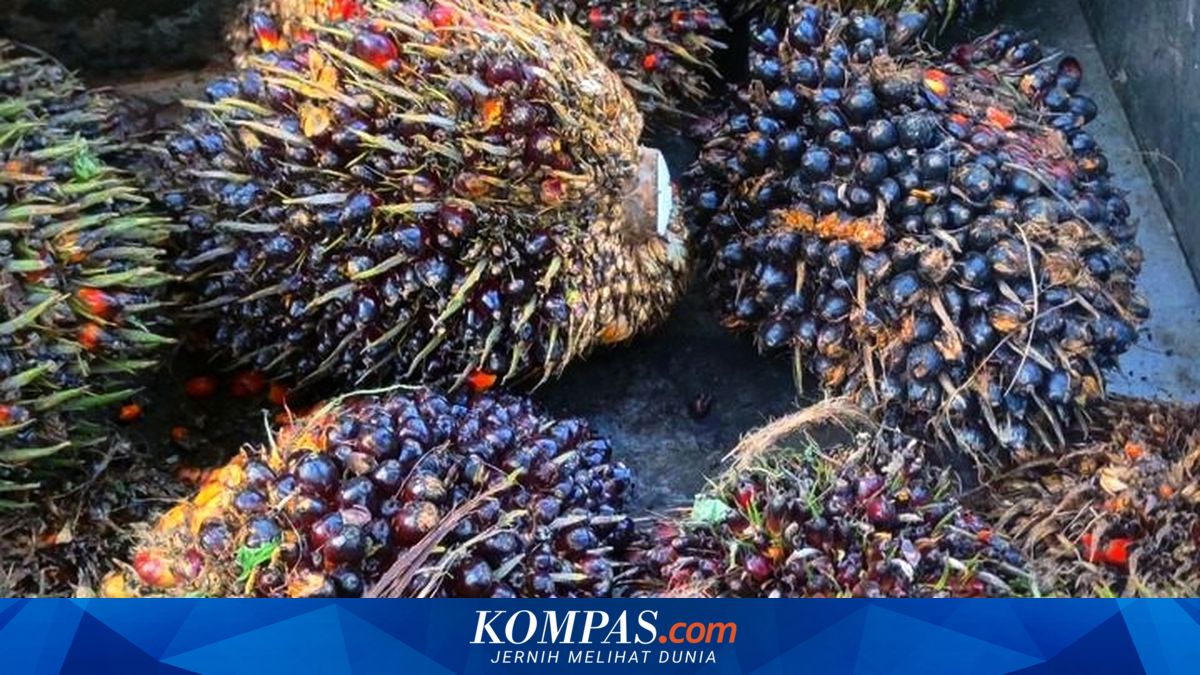
JAKARTA - Uncertainty over the extension and issuance of Hak Guna Usaha (HGU) is seen as a potential threat to the sustainability of the national palm oil industry and the government’s B50 biodiesel mandate, targeted for implementation from the second half of 2026.
Eugenia Mardanugraha, a palm oil researcher at the University of Indonesia (UI), noted that legal certainty of land is fundamental for long-term investment sustainability and stable palm oil production in Indonesia.
She warned that if HGU uncertainty persists, the impact would not only affect plantation businesses but also disrupt national energy security strategies.
‘If HGU uncertainty continues, the B50 programme, palm oil industry sustainability, and the sector’s contribution to the national economy face significant risks,’ Eugenia stated on Sunday, 24 May 2026.
Without accelerated replanting, national palm oil production risks stagnating amid rising demand for palm oil in energy, food, downstream industries, and exports.
‘Indonesia will need palm oil not only for biodiesel but also for food, oleochemicals, cosmetics, pharmaceuticals, and sustainable aviation fuel. Land productivity is key,’ she added.
Data from the Ministry of Agriculture (Kementan) shows Indonesia’s palm oil plantation area reached 16.8 million hectares in 2025. Of this, 51% is managed by private companies, while 41% is smallholder plantations.
The government initially targeted 180,000 hectares annually for the Smallholder Palm Oil Revitalisation (PSR) programme, later reducing it to 150,000 hectares. However, on-the-ground implementation has only reached around 50,000 hectares per year.
Eugenia noted that national palm oil development strategies no longer rely on expanding new land but on improving existing land productivity. However, HGU uncertainty causes businesses to delay long-term investments, including replanting programmes, due to high operational risks.
‘Replanting requires significant investment with a multi-year production wait before economic returns. Without legal certainty, investment decisions become difficult,’ she said.
Besides land legalities, businesses also consider global palm oil trade prospects and government policy stability when determining long-term investment directions.
‘Land legal certainty and clear industrial policy direction are key factors to accelerate replanting,’ Eugenia added.