
Indonesia's Animation Revenues Surge, Now a Focus for the Creative Economy
Indonesia’s animation industry is beginning to show a shift in business models that drives greater economic value. Revenue from original IP-based animation has surged by 279.53 per cent from 2015 to 2025 and now surpasses revenues from export animation services.
The surge is one of the findings in the Indonesia Animation Report 2026 released by the Indonesian Animation Industry Association (AINAKI). There are currently 308 active original animations that have been produced and distributed across various global platforms.
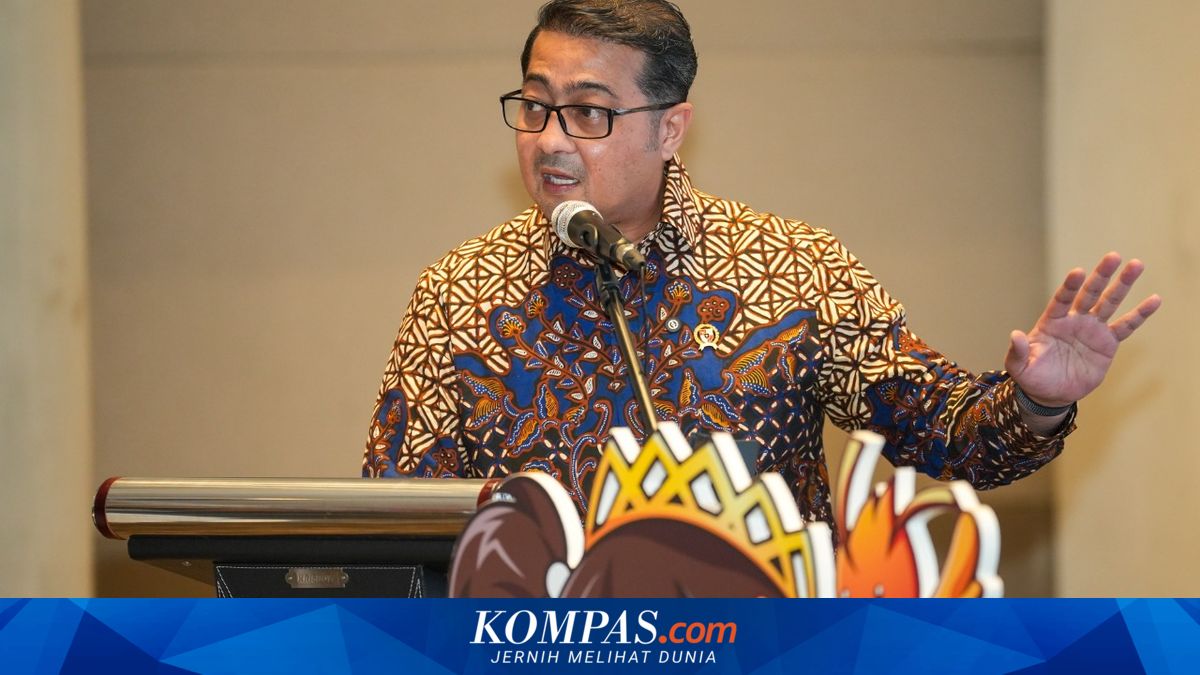
‘The animation industry is an important part of the creative economy with strong potential as a new engine for economic growth. This report provides a crucial foundation to drive the industry’s transformation toward an IP-based model with global competitiveness,’ said Creative Economy Minister Teuku Riefky Harsya at the launch of the Indonesia Animation Report 2026 in Jakarta, Tuesday, 19 May 2026.
Based on research of 262 animation studios employing 3,448 workers, the value of Indonesia’s animation industry reached Rp 798.15 billion in 2025. This figure has increased more than 3.3 times over the past decade, with an average annual growth of 12.86 per cent.
Teuku said the report results from a collaboration between the Ministry of Creative Economy, AINAKI, the National Research and Innovation Agency (BRIN), and Dian Nuswantoro University (UDINUS). The study also continues the 2015-2020 animation industry research.
Daryl Wilson, Chairman of AINAKI, said the animation services sector has long made a significant economic contribution but has not yet been fully mapped optimally within the national economy.
‘This data is essential for all of us to strategise together about the way forward,’ Daryl said.
‘From mapping data, Indonesian studios are dominated on Java Island, but we see from here that pockets of human resources and industry players exist everywhere. Therefore, when the government and the association can focus on creating programmes that can be implemented directly in their regions,’ he added.
Additionally, the research found several other challenges, such as limited funding for studios to expand globally, inadequate protection of intellectual property (IP) for some local animation works, and the dominance of freelance or contract workers.
Therefore, the report emphasises the importance of cross-sector collaboration through a hexal-helix approach involving government, industry, academia, communities, media, and financial institutions to build a more integrated animation ecosystem.
Also read: Creative Economy Players Can Access KUR for the Creative Industry next year, Intellectual Property as Collateral