
Indonesia's AI Investment Soars, Yet Implementation Maturity Remains Low
Investment in artificial intelligence (AI) in Indonesia is projected to continue increasing, but the surge in spending has not been fully matched by the level of AI implementation maturity within organisations.
This is reflected in the IDC Info Snapshot: From AI Spending to AI Value Creation report, prepared together with PT Metrodata Electronics Tbk and released to coincide with Metrodata Solution Day (MSD) 2026.
In the report, 56.7% of organisations in Indonesia plan to increase their Generative AI (GenAI) budgets by more than 50%. This figure is nearly double the Asia Pacific average of 29.8%.
However, the increase in investment still faces a relatively low level of organisational AI maturity. IDC recorded Indonesia’s AI maturity at 2.03 on a scale of 5, still below both the Asia Pacific and global averages.
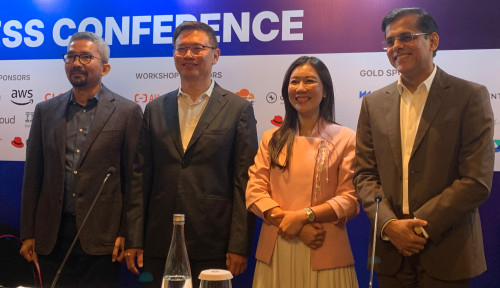
The gap between the size of investment and the level of implementation maturity was one of the key highlights at Metrodata Solution Day 2026, which carried the theme “Winning with AI: Build, Run, and Scale for Measurable Impact.”
President Director of PT Metrodata Electronics Tbk Susanto Djaja said organisations now need to shift their focus from merely pursuing technology adoption towards creating measurable business impact.
“We have passed the phase where adoption was the measure of progress. Indonesia has proven that, being one of the markets with the highest AI adoption speed in the region. What matters now is the value generated, not how quickly the technology is adopted,” said Susanto.
According to him, organisations need discipline, governance, and accountability in every AI investment they make. In this way, the success of AI implementation is measured not only by how much the technology is used, but also by its real impact on business and operations.
Metrodata identified three important stages that companies need to consider in developing AI: Build, Run, and Scale.
At the Build stage, organisations need to ensure foundational readiness, from data and architecture to the selection of use cases aligned with business priorities.
The Run stage focuses on managing AI implementation through governance, security, operations, and appropriate measurement mechanisms so that the technology can run consistently.
The Scale stage emphasises expanding AI use across various business functions. This step is expected to increase productivity, accelerate decision-making, and create greater value for the company.
Susanto believes companies need to measure AI success based on the impact generated.
“Through this year’s Metrodata Solution Day, we invite organisations to measure themselves not by the speed of adoption, but by the real impact they manage to create,” he said.
Metrodata Solution Day 2026, now in its 21st edition, brought together business leaders, technology practitioners, and more than 30 global technology partners.
The forum discussed various technological developments, from AI, cloud, cybersecurity, data analytics, and modern infrastructure to enterprise applications.
Meanwhile, Cloudera highlighted the importance of data management. According to the company, many organisations in Indonesia have made AI investments but still face challenges in controlling and managing data scattered across various environments.
Thus, the large AI budgets prepared by companies do not automatically guarantee successful implementation. Organisations need to ensure foundational readiness, governance, security, and the ability to scale AI use so that technology investments can be converted into real and sustainable business impact.