
Indonesia's 81st Independence Day: Population Reaches 287 Million, Gen Alpha Dominates
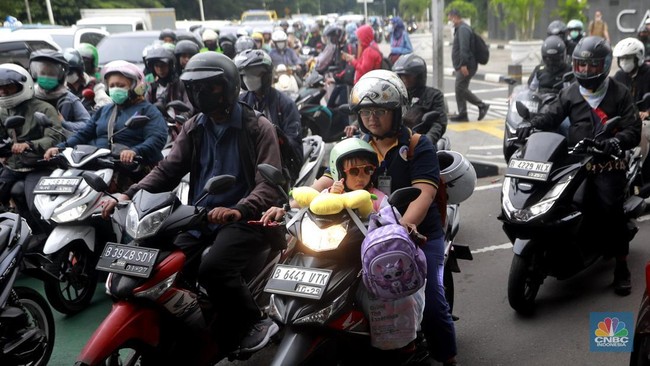
Indonesia turned 81 years old on 17 August 2026. In the more than eight decades since the proclamation of independence, the country’s population has continued to grow, reaching 287 million people. This change has been accompanied by a shift in the demographic structure, which is now dominated by the youngest age group.
Data from the 2025 Intercensal Population Survey (SUPAS) by Statistics Indonesia (BPS) shows that Indonesia’s population reached 287,198,383 people, comprising 144,864,040 males and 142,334,343 females. Indonesia remains the fourth most populous country in the world after India, China, and the United States.
The population composition shows that the 0-4 age group is the largest in Indonesia. Its number reaches 22.63 million people, consisting of 11.54 million males and 11.09 million females. This group accounts for nearly 8% of the total national population.
According to BPS, the majority of children aged 0-4 are part of Generation Alpha, the generation born after 2010. Referring to the 2025 reference year, most come from births in the 2021-2025 period. Children born at the end of 2020 are also included in this group if they had not yet turned five at the time of enumeration.
BPS explains that babies born throughout 2025 are the first cohort of Generation Beta. This makes the 0-4 age group a transition period between Generation Alpha and Generation Beta. Nevertheless, the Generation Alpha population remains the largest group in Indonesia’s current population structure.
The large number of young children is an important indicator for the direction of national development in the coming decades. Within the next five to ten years, this group will enter basic education. After that, they will move towards productive age and become part of Indonesia’s workforce. The need for education, health services, and job creation will grow as this age group expands.
BPS data also shows that the population distribution begins to shrink in older age groups. People aged 75 and above are the smallest group, at 6.37 million people. The breakdown consists of 2.79 million males and 3.59 million females, or about 2.2% of Indonesia’s total population.
The number of women in the elderly age group is higher than men. This pattern is visible from the age of 65 and above and reflects the relatively longer life expectancy of women.