
Indonesians Unaware They Are Ingesting Microplastics: Check These 7 Kitchen Items
The presence of microplastic materials, measuring less than 5 millimetres, has become a very worrying and real threat. These micro-sized particles are generally undetectable to the naked eye, yet they hold the potential to damage environmental sustainability and various aspects of living organisms’ lives.
One of the primary focuses regarding the negative impacts of microplastics is the health risk lurking within the human body. These super-small particles can settle and accumulate within organ tissues over time. A study from February 2025 found that microplastics can build up in human tissue and potentially trigger various serious diseases, including heart attacks and strokes.
Every year, humans are estimated to inhale up to 22 million micro and nanoplastic particles. This exposure occurs through three methods: inhalation, ingestion, or absorption through the skin. Various studies have found that microplastics can trigger tissue inflammation, cell death, and even disturbances in the lungs and liver. In animals, microplastics cause DNA damage and cancer. In extreme cases, the accumulation of microplastics in blood vessels could increase the risk of sudden death due to heart attacks.
According to reports, the following items pose the highest risk of increasing microplastic exposure in the kitchen:
Non-stick Cookware: Research shows that Teflon-coated pans and pots can release millions of microplastic particles into food, especially if the surface is cracked or scratched.
Plastic Food Containers: Lunch boxes or plastic containers from delivery services can release microplastics when exposed to heat. Studies show that all tested plastic containers contained microplastic particles.
Plastic Cutlery: Plastic utensils release microplastics when used with hot food. These particles then enter the body through the food.
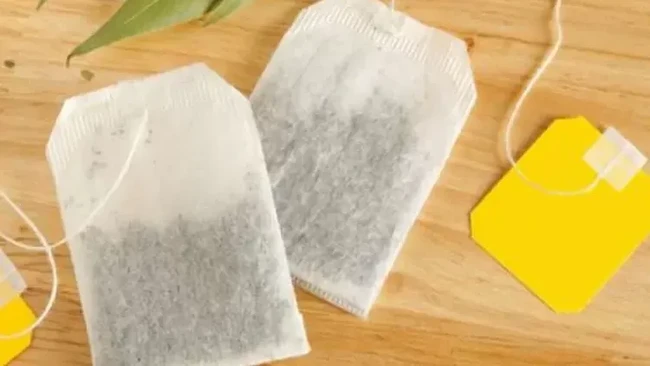
Tea Bags: Many modern tea bags contain polypropylene, a material that can release billions of microplastic particles when brewed with hot water.
Plastic-packaged Spices: A recent study found that all plastic-packaged spices contain microplastics that can contaminate the contents inside.
Plastic Straws: Plastic straws have been proven to release micro and nanoplastics that can be inhaled directly. Every year, approximately 8 million tons of plastic end up in the oceans, polluting ecosystems.
Canned Food: Although many producers are now switching to BPA-free linings, coating materials such as acrylic and epoxy polyester still contain microplastics.
There are many simple ways to reduce microplastic exposure from your kitchen:
Use cookware made of stainless steel, cast iron, or wood instead of plastic.
Replace plastic containers with glass or ceramic for food storage.
Choose loose-leaf tea and use metal strainers instead of plastic tea bags.
Buy spices in glass bottles or plastic-free refillable packaging.
Switch to metal, bamboo, or reusable paper straws.
Choose fresh or frozen foods instead of canned foods.