
Indonesians Opt for Cheaper Menus at Padang Restaurants Amid Declining Purchasing Power
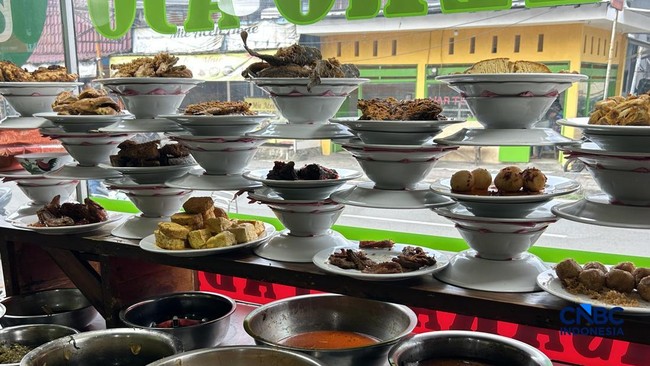
Business owners of Padang restaurants are observing a shift in consumption patterns among customers. While premium dishes such as rendang, beef tendon (tunjang), minced meat, and fish were previously favourites, customers are now gravitating towards more affordable menus.
According to traders, many customers are opting for packages priced between Rp 15,000 and Rp 20,000, which typically consist of rice, omelette, chicken, and vegetables. Ijan, a Padang restaurant owner in Tebet, told CNBC Indonesia that some customers specifically seek out these Rp 15,000 packages. He noted that this trend coincides with a decline in public purchasing power, evidenced by a drop in turnover of more than 10% recently. Furthermore, he observed that while his restaurant used to run out of food by 2:00 PM, the lunchtime rush has significantly diminished.
In the same Tebet area, another proprietor, Ridwan, noted that customers tend to choose budget-friendly menus, such as egg, potato fritter (perkedel), or eggplant rice priced at Rp 18,000, during the middle to the end of the month. He added that some customers now only purchase vegetables and sambal to take home, or buy side dishes only to share with their families. Conversely, during the beginning of the month or payday periods, sales of premium packages containing fish, minced meat, or rendang—priced at Rp 20,000 and above—remain higher.
In Cikini, Central Jakarta, restaurant owner Taufik also reported a decline in sales and a shift in menu preferences. Customers who previously purchased luxury items like red snapper head or squid are now opting for cheaper alternatives like egg or potato balado. Due to the difficulty in selling expensive ingredients, Taufik has resorted to reducing his stock; for instance, reducing his supply of red snapper heads from seven to three units.
From a consumer perspective, Andi, a regular customer, admitted to being more frugal due to the rising cost of living. While he still finds Padang food worth the price due to the generous portions and free vegetables, he now carefully monitors his budget and often settles for rice and egg. Meanwhile, another regular, Sarah, continues to purchase Padang food based on taste and proximity, noting that prices at her local restaurant have not yet seen significant increases.