
Indonesians Flock to Japan for Jobs as Bus Drivers Amid Severe Labour Shortage
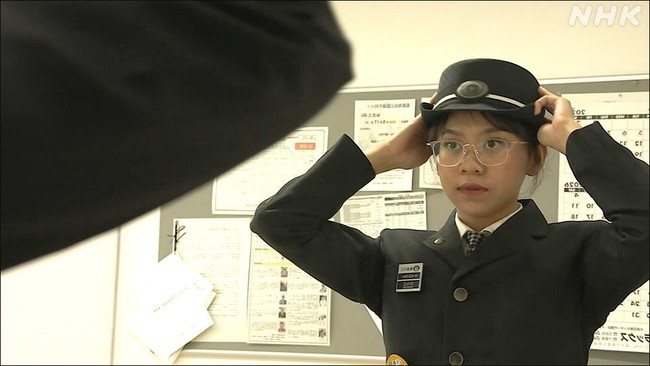
Japan has begun recruiting bus drivers from abroad to address an increasingly severe labour shortage crisis. Amid a surge in tourists and an ageing driver population, transport companies in the Land of the Rising Sun are now relying on foreign workers, including those from Indonesia, to ensure bus services continue to operate.
One such individual is Mahatting Rismartanti (27), an Indonesian woman who successfully realised her dream of becoming a bus driver in Japan after undergoing six months of training. “I am very excited. I will ensure that passengers reach their destinations safely,” said Mahatmi, as reported by NHK World.
Mahatmi was recruited by the major Japanese bus operator, Tokyu Bus, along with two other Indonesian citizens, through the Specified Skilled Worker (SSW) visa scheme. This visa programme was established by the Japanese government to address labour shortages across various sectors.
Tokyu Bus revealed that approximately 60% of its drivers are now aged 50 and above. With many employees approaching retirement age, the company has begun opening greater opportunities for foreign labour. “We are facing a labour shortage that will worsen in the future. We have no choice but to move in this direction,” stated Tokyu Bus Executive Officer, Okano Kyoko.
This phenomenon is not limited to Tokyu Bus; bus operators across Japan face similar issues. Industry groups estimate that the country will face a shortage of approximately 30,000 bus drivers in the coming years. Consequently, several companies have begun recruiting applicants without prior experience in driving large vehicles, even offering special bonuses and various additional facilities to attract potential drivers.
Beyond driving skills, Mahatmi had to undergo various training stages before officially operating a bus. In addition to obtaining a heavy vehicle driving licence in Japan, she was required to master the Japanese language to communicate effectively with passengers. Instructors taught her various driving techniques as well as how to interact with passengers. “If you press the accelerator pedal slowly, the journey will feel more comfortable for passengers,” an instructor noted during training.
Mahatmi admitted that her ambition to drive large vehicles began in childhood, inspired by a family member. Upon seeing a job vacancy for bus drivers in Japan, she felt the opportunity aligned perfectly with her dreams. “I am very happy. This has been my dream since I was a child. When I saw the advertisement, I immediately thought, ‘This job is for me’,” she said.
Despite being assessed as having good driving abilities, Mahatmi’s greatest challenge proved to be the language barrier. During one training session, she felt confused when faced with a passenger whose electronic payment card balance was insufficient. “I didn’t know what to do. Communicating in Japanese is still quite difficult,” she remarked.
At home, Mahatmi routinely studies driving manuals and memorises various common phrases used at work, such as asking passengers to move towards the back of the bus or providing departure information. Japanese bus companies acknowledge that language training is one of the greatest challenges in preparing foreign workers. Communication skills are deemed vital so that drivers can provide information regarding delays, payment issues, or emergencies.
Furthermore, companies must also incur significant costs to introduce Japanese traffic rules and road systems to foreign workers.
After six months of training, Mahatmi finally began operating passenger buses independently last March. On her first day on duty alone, she completed eight bus trips. “I must not be careless,” she said before starting her route.
Throughout the day, she served passengers using various simple Japanese conversations, ranging from assisting with ticket purchases to making announcements before departure. “This is a big step for me. I want to be a bus driver who can bring smiles to passengers,” Mahatmi said.
Tokyu Bus aims for approximately 10% of all newly recruited drivers each year to be foreign workers under the SSW visa. However, company management admits this figure may still be insufficient to maintain the required number of drivers. Some operators have even raised the retirement age for drivers to 70. Nevertheless, reductions in bus routes and service frequencies have already begun occurring in various regions of Japan due to the lack of drivers.
Source: jawawa.id (https://jawawa.id/newsitem/indonesians-flock-to-japan-for-jobs-as-bus-drivers-amid-severe-labour-shortage-1782453069)
Originally published by CNBC Indonesia (https://www.cnbcindonesia.com/lifestyle/20260626105018-33-745917/wni-ramai-ramai-pindah-ke-jepang-demi-kerja-jadi-sopir-bus), translated from Indonesian