
Indonesians Are Reluctant to Buy New Clothes, Mall Boss Explains Why
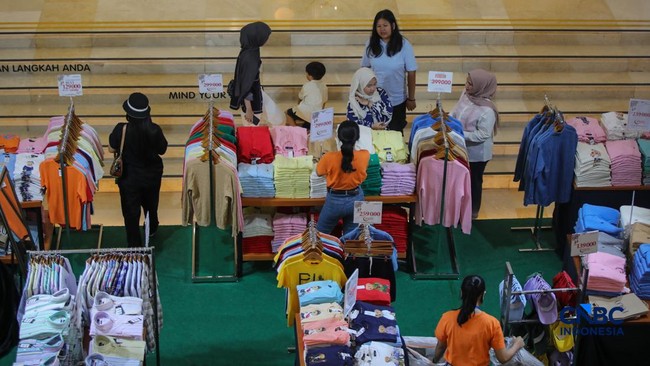
Jakarta, CNBC Indonesia — Clothing shops in shopping centres are facing challenges as mall visitor numbers remain relatively high, but transactions are not necessarily increasing. The situation is linked to changing consumer shopping patterns during the retail industry’s low season in the second half of 2026.
Fashion is among the categories most vulnerable to a slowdown because shoppers do not always have an urgent need to buy new clothes. Unlike everyday necessities, clothing purchases can be postponed when consumers are seeking to limit their spending.
Alphonzus Widjaja, chairman of the Indonesian Shopping Centre Management Association (APPBI), said this was a familiar pattern in the retail business cycle. After major shopping periods have passed, demand for several categories of goods tends to weaken.
“As is usually the case during the low season, clothing and fashion products come under pressure because there is no urgent need to buy them,” Alphonzus told CNBC Indonesia on Thursday (15 October 2026).
This pattern poses a challenge for retailers that rely on seasonal shopping periods to boost sales. High footfall in shopping centres is not always enough to drive purchases if consumers do not feel the need to replace their clothes or add to their wardrobes.
The situation should also be viewed in the context of the annual sales cycle. Ramadan and Eid al-Fitr are usually important periods for the retail industry, as consumer spending needs rise ahead of the holiday, while the period afterwards tends to be quieter.
In 2026, this seasonal pattern faced additional pressure because Ramadan and Eid al-Fitr came earlier, in the first quarter. As a result, businesses face a longer wait for the next major shopping period.
Alphonzus said this did not mean people had stopped visiting shopping centres. Visitor numbers have remained relatively stable because Indonesians also use malls to meet and enjoy entertainment, even though their visits do not always lead to purchases of fashion products.
“So far, average visitor numbers at shopping centres have remained relatively stable, as Indonesians tend to continue visiting malls in all kinds of situations and circumstances,” he said.
For businesses, this means sales strategies need to be adjusted to suit consumer behaviour during a quiet shopping period. When buying clothes is not an urgent priority, retailers need to plan promotions and capitalise on shopping occasions rather than relying solely on visitor numbers to meet sales targets.
In addition to seasonal factors, consumers’ purchasing power is another challenge for the retail business. Global and domestic economic pressures may make shoppers more cautious about spending priorities, particularly on goods whose purchase can be put off.
“Alongside the extended low season, retailers are also facing pressure from global factors and various domestic circumstances that are affecting people’s purchasing power,” Alphonzus said.
Source: jawawa.id (https://jawawa.id/newsitem/indonesians-are-reluctant-to-buy-new-clothes-mall-boss-explains-why-1792054257)
Originally published by CNBC Indonesia (https://www.cnbcindonesia.com/news/20261015133458-4-776475/warga-ri-lagi-ogah-ogahan-beli-baju-baru-bos-mal-ungkap-penyebabnya), translated from Indonesian