
Indonesian Sport Tourism Contributes Rp39.5 Trillion to Economy, MotoGP Contributes Rp5 Trillion
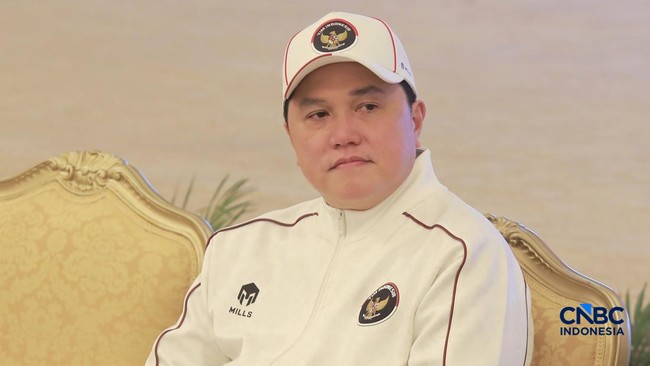
Jakarta, CNBC Indonesia - The Minister of Youth and Sports, Erick Thohir, has revealed that the economic potential of sport tourism in Indonesia has reached Rp39.5 trillion. This value remains relatively small when compared to the global potential of sport tourism.
This was disclosed during the launch of the ‘Impact of MotoGP Mandalika’ book and the kick-off of the Grand Design for Sports Industry Development at the Ministry of National Development Planning/Bappenas office in Jakarta on Wednesday (30/09/2026).
“From the data we see today, it is only 0.5% of the global value, which is approximately Rp39.5 trillion. The initiation of MotoGP Mandalika contributes around Rp5 trillion,” said Erick Thohir during his opening remarks.
He explained that while sports possess immense economic potential, the sector has yet to receive sufficient attention. The global sports industry has an economic value of reaching Rp8,000 trillion, while sport tourism reaches Rp9,500 trillion. Currently, Indonesia has only realised 0.5% of this, amounting to Rp39.5 trillion.
“Sports have extraordinary potential that we have sometimes overlooked; we have not seen the full potential,” said Erick.
Erick also explained that hosting sporting events is not only for national character building but also carries significant economic calculations regarding the impact of the event. Furthermore, there is the value of built infrastructure, such as sports facilities at Gelora Bung Karno, Hotel Indonesia, and the Welcome Monument (Tugu Selamat Datang), which holds infinite value.
Erick further noted that his department has undertaken deregulation of rules to encourage the economic impact of hosting sporting events. Additionally, the ‘Sport In Indonesia’ website has been launched to provide easy access for tourists wishing to attend sporting events.
“There is interconnection with Immigration, for example. For MotoGP, visitors can check the Sport In Indonesia website to see if they need a visa; if they do, they can click directly to the Ministry of Immigration’s website to register for a visa. We also link to ticketing, acting as an aggregator to provide ease of access,” he said.
On the same occasion, Minister of Tourism Widiyawati Putri Wardhana explained that sports are a potential tourism driver for the economy. According to her survey, 44% of global tourists are willing to travel abroad to attend sporting events, with an average expenditure of US$1,500 per person.
Sport tourism also contributes to 10% of total global tourism spending, which is expected to grow to 17.5% by 2030.
In Indonesia, she believes sport tourism is poised to expand, driven by the growing healthy lifestyle trend among the population. Data shows that 86% of Indonesians are more proactive in maintaining their health compared to the global average of 70%.
“Sport tourism remains promising, as evidenced by various real-world examples,” said Widi.
She cited the success of sport tourism in Indonesia, such as the hosting of Hyrox Jakarta 2026, which had the largest number of participants in the Asia Pacific, with 35% being foreign nationals. Additionally, the Jakarta International Marathon successfully attracted 1,012 international runners out of a total of 45,500 participants.
Source: jawawa.id (https://jawawa.id/newsitem/indonesian-sport-tourism-contributes-rp39-5-trillion-to-economy-motogp-contributes-rp5-trillion-1790747659)
Originally published by CNBC Indonesia (https://www.cnbcindonesia.com/lifestyle/20260930121945-33-772093/sport-tourism-ri-sumbang-rp395-t-ke-ekonomi-motogp-kontribusi-rp5-t), translated from Indonesian