
Indonesian Research Fraud Case: Minister Stresses Academic Ethics
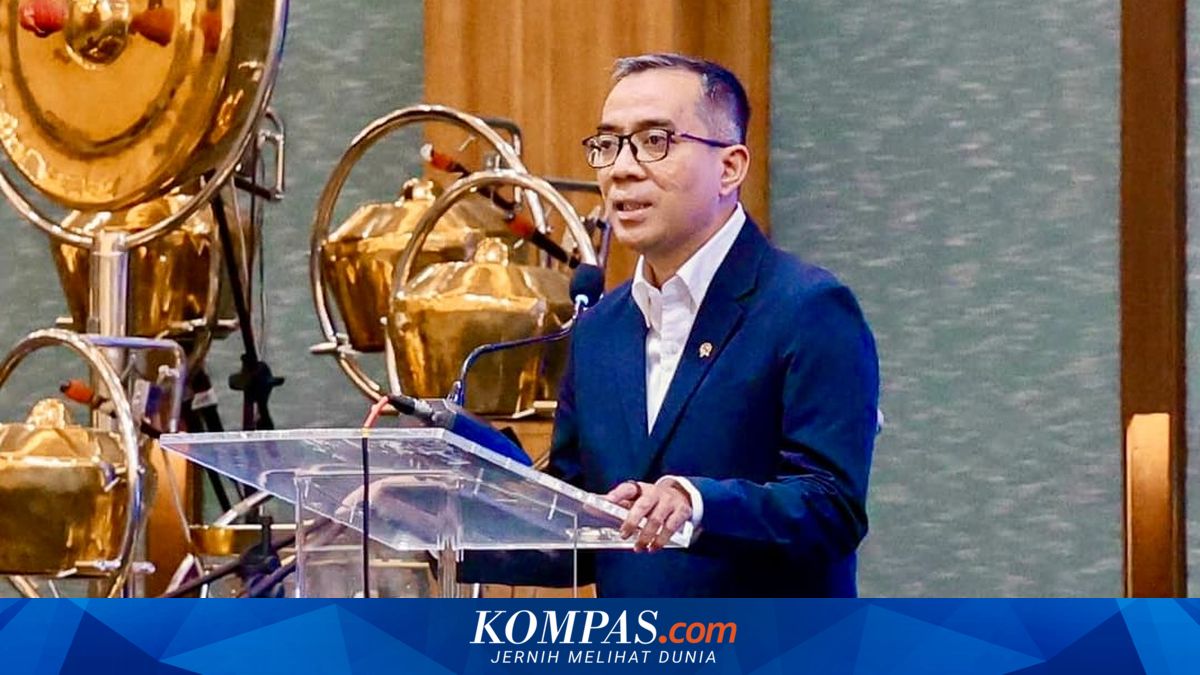
JAKARTA, KOMPAS.com - Minister of Higher Education, Science, and Technology (Mendiktisaintek) Brian Yuliarto revealed that Indonesian citizens involved in research fraud at an international conference in Denmark are not active researchers at universities.
“Based on initial information we received, the individuals mentioned in this case are not indicated to be lecturers or active researchers at Indonesian universities,” Brian told Kompas.com on Wednesday (27/5/2026).
He explained that Indonesia has research integrity evaluation mechanisms through universities, ethics committees, LPPM (Institute for Research and Community Service), and academic quality assurance systems.
For research conducted by lecturers and researchers in Indonesia, Brian stated the process falls under periodic monitoring to maintain research quality.
“From the proposal submission stage, research undergoes a multi-level review process, starting from LPPM to Kemdiktisaintek’s review team. During implementation, progress reports and final reports are also evaluated and monitored,” Brian said.
Ethics committees play a role in ensuring research adheres to ethical principles, from methodological appropriateness, data usage, protection of research subjects, to compliance with scientific standards.
“For research involving human and animal subjects, researchers must comply with national and global ethical clearance requirements. Even research procedures and governance must be transparent and accessible to relevant stakeholders,” Brian said.
According to Brian, all these mechanisms are necessary to maintain data validity, research quality, and scientific publication integrity.
“However, if these processes are bypassed or not properly followed, it can impact research quality and render research data scientifically unaccountable,” Brian said.
This includes the participant’s status, the type of affiliation used, and their connection to Indonesian higher education institutions or research bodies.
Therefore, academic integrity must be the cornerstone of our higher education and research ecosystem.
“Data fabrication, falsification, and misuse of academic affiliations are unequivocally unacceptable,” Brian stressed.