
Indonesian Parliament Member Urges Fatayat NU to Strengthen Child-Rearing Patterns
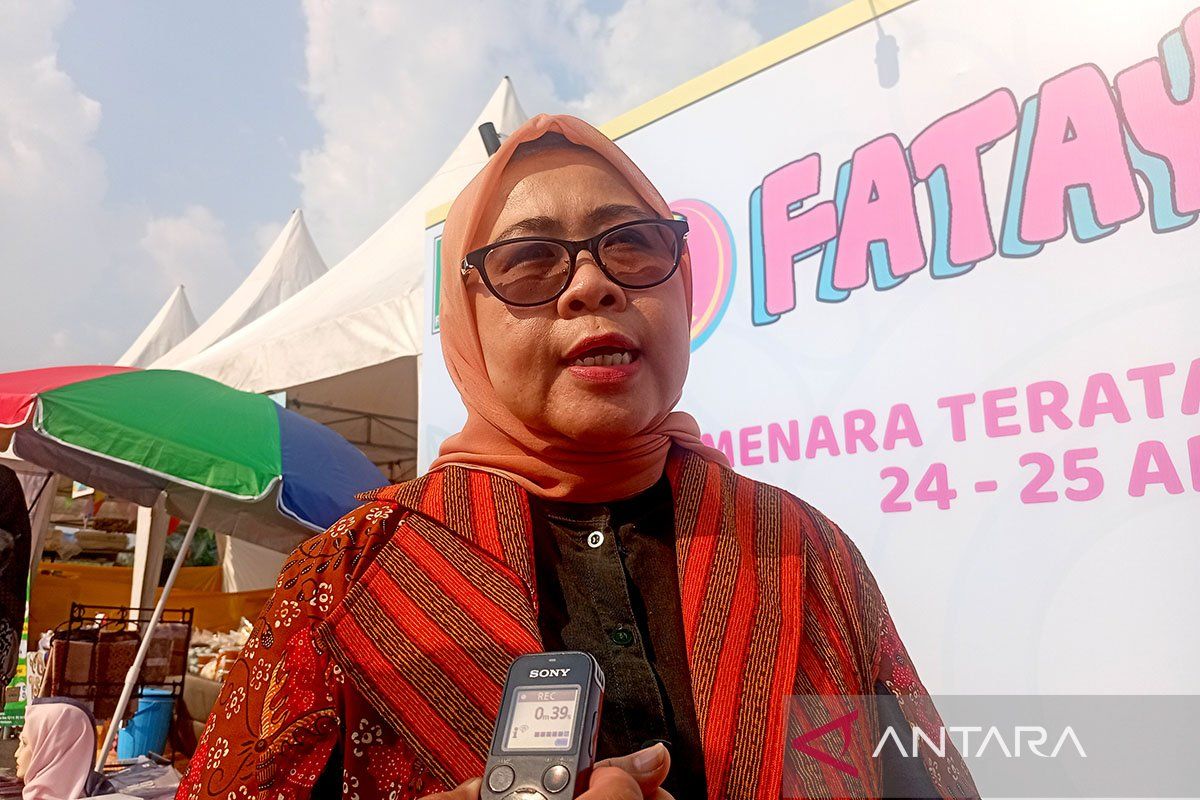
Purwokerto (ANTARA) - Member of the Indonesian House of Representatives Siti Mukaromah has urged Fatayat Nahdlatul Ulama (NU) to strengthen child-rearing patterns in response to the challenges of technological developments and increasingly complex social dynamics. After opening the Fatayat Fest to mark the 76th anniversary of Fatayat NU, organised by the Banyumas Regency branch at the Menara Teratai complex in Purwokerto, Banyumas, Central Java, on Friday, the woman affectionately known as Erma emphasised that the role of mothers is the primary key in determining the quality of future generations. “Women are the first madrasah for their children, so family child-rearing patterns greatly determine children’s education,” said the member of Commission VII of the House of Representatives from the Central Java VIII electoral district (Banyumas-Cilacap). According to her, current technological advancements make it easier for children to access boundless information, even from a very young age. This situation demands that parents, especially mothers, be more active in providing guidance so that children are not exposed to content inappropriate for their age and developmental stage. “Children aged 2-3 years can now watch various programmes via mobile phones. This is a major task for mothers to ensure that what children access remains controlled,” she said. She assessed that the role of women today is increasingly complex as they must fulfil multiple functions simultaneously, both as productive individuals in the public sphere and as responsible mothers in children’s education within the family environment. “We must not be active in organisations while our children are directionless due to a lack of guidance in technology use,” she said. In addition, she highlighted the importance of maintaining children’s mental health amid the massive flow of digital information, as without adequate supervision, exposure to digital content has the potential to influence character, behaviour, and the quality of future generations. She stated that Fatayat NU has a strategic role in providing education to its members on adaptive child-rearing patterns that respond to contemporary developments while remaining grounded in family, moral, and religious values. Furthermore, she invited Fatayat NU cadres to serve as role models, uphold values of modesty and norms in family life, and strengthen their roles as companions to husbands and caregivers for children. With the right strengthening of child-rearing patterns, she hopes that Fatayat NU can contribute to producing a quality generation that is characterful and ready to face future challenges. “If the child-rearing patterns are strong, the next generation will also be better,” said Erma.