
Indonesian Palm Oil Farmers Face Crisis as Fuel Costs Surge and Supply Dwindles
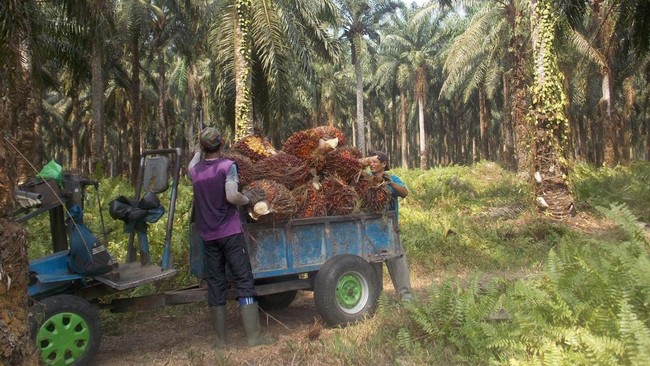
Harvesting activities in Kalimantan and Sumatra are facing disruption due to rising fuel prices and supply shortages, forcing smallholder farmers to scale back operations and threatening the production of crude palm oil (CPO). Prolonged disruptions could cut output in the top-producing nations of Indonesia and Malaysia, especially as the El Niño weather phenomenon is expected to reduce rainfall and lower yields, all while benchmark Malaysian palm oil futures have surged over 15% this year.
The most severe impact on harvesting has been in the Malaysian states of Sabah and Sarawak on the island of Borneo, where non-subsidised diesel prices have soared nearly 120%. In Sumatra, Indonesia, farmers are grappling with fuel scarcity, according to industry officials. Napolean R. Ningkos of the Sarawak Dayak Oil Palm Planters Association stated that financial constraints are making harvesting economically unviable for smallholders, leading to land abandonment and a direct drop in regional palm oil productivity.
Sabah and Sarawak together account for 43.9% of Malaysia’s total CPO production of 20.28 million metric tonnes, while Sumatra contributes 55% of Indonesia’s output, according to the Ministry of Agriculture. The vast and remote locations of plantations in Kalimantan are making it difficult for farmers to collect and transport fresh fruit bunches to collection points or processing mills. Although Malaysia provides subsidised diesel at 2.10 ringgit per litre with a monthly cap of 200 litres, this allocation falls far short of the average farmer’s operational requirement of at least 500 litres per month. Farmers have consequently reduced harvesting frequency from around 2.5 cycles to just one or two cycles monthly.
These concerns are mounting amid rising global fuel prices and tightening supply following the outbreak of war between the US-Israel alliance and Iran in late February. The potential onset of El Niño in the second half of 2026 poses another negative factor for the industry’s outlook, with the severe 2015-2016 El Niño having cut Malaysian CPO production by 18% and Indonesian production by 3%. Raphael Golout, President of the United Sabah Smallholders Association, noted that the heavier financial burden stems not only from increased transport costs but also from higher expenses for generators and other machinery. Both Ningkos and Golout are urging a revision of diesel subsidy policies to better reflect the geographical and economic challenges faced by farmers in Sabah and Sarawak, warning that harvest delays could reduce Sarawak’s output by 15% to 20%. In Sumatra, a key palm oil hub in Indonesia, harvesting activities have been hampered by limited diesel supply since mid-July, according to Gulat Manurung, Chairman of the Indonesian Palm Oil Farmers Association (Apkasindo), who noted that the transportation of fresh fruit bunches is affected because all vehicles and equipment use diesel engines. The issue is currently being managed by extending the harvest interval to eight to 12 days, compared to the usual period of eight to 10 days.
Source: jawawa.id (https://jawawa.id/newsitem/indonesian-palm-oil-farmers-face-crisis-as-fuel-costs-surge-and-supply-dwindles-1786251076)
Originally published by CNBC Indonesia (https://www.cnbcindonesia.com/market/20260809100832-17-757700/petani-kelapa-sawit-ri-menangis-ada-bencana-depan-mata), translated from Indonesian