
Indonesian Neighbour Becomes World's Largest Opium Producer
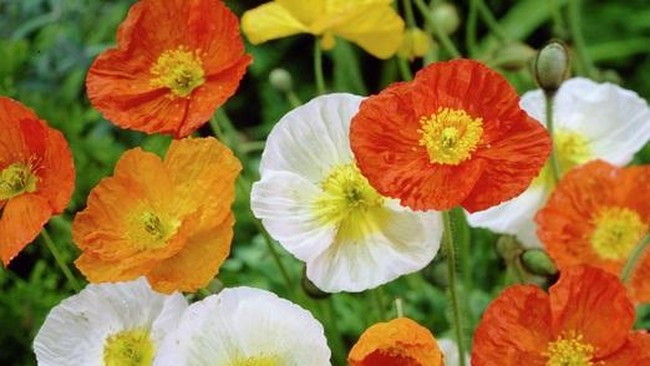
Myanmar has once again assumed the status of the world’s largest illegal opium producer. Prolonged conflict, poverty, and weakened government control have led to an expansion of poppy plantations.
This commodity, dubbed ‘black gold’, has become a primary source of livelihood for communities in remote areas. Conversely, the opium trade also sustains criminal networks and armed groups in the war-torn nation.
According to The Economist, Myanmar’s opium production is rapidly expanding after years of being overshadowed by Afghanistan.
Poppy Fields Reach a Decade High
Based on the Myanmar Opium Survey 2025 released by the United Nations Office on Drugs and Crime (UNODC), the area of poppy cultivation in Myanmar has reached approximately 53,100 hectares. This figure represents a 17% increase compared to 45,200 hectares in 2024, marking the highest level since 2015.
Despite the surge in plantation area, opium production only increased by about 1%. This is due to a 13% drop in average land productivity caused by conflict and deteriorating agricultural conditions.
Nevertheless, a production of approximately 1,010 tonnes solidifies Myanmar’s position as the world’s primary source of illegal opium. Cultivation is concentrated in the eastern regions, particularly Shan and Kachin States. Similar activities have also been detected in new areas such as Sagaing, indicating that the opium business is spreading beyond traditional production hubs.
Prices More Than Double
The rise in prices has made poppy cultivation increasingly attractive to farmers. The price of fresh opium has reached approximately US$329 per kilogram, more than double the US$145 recorded in 2019.
The total economic value of Myanmar’s opium is estimated to be between US$641 million and US$1.05 billion. This amount is equivalent to roughly 0.9% to 1.4% of Myanmar’s Gross Domestic Product in 2024.
For farmers in remote areas, poppy offers several advantages. The crop provides higher income, is easy to transport, and has ready buyers for the harvest. In contrast, the marketing of legal crops is often hindered by damaged roads, rising transportation costs, and fighting between armed groups.
Military Coup as a Turning Point
Opium cultivation began to increase after the military overthrew the government of Aung San Suu Kyi in February 2021. The coup subsequently escalated into a civil war involving the military, resistance groups, and various ethnic armed organisations.
The conflict has destroyed economic activities and weakened government oversight in border regions. This instability has created space for the production and trade of narcotics. Some members of the population have also turned to poppy cultivation due to job losses and a lack of alternative income sources.
Thus, the growth of the opium economy is driven not only by high demand but also reflects the depth of the economic and humanitarian crisis in Myanmar.
Myanmar Overtakes Afghanistan
Myanmar’s position as the largest producer is closely linked to the Taliban’s policies in Afghanistan. Since returning to power, the Taliban has banned poppy cultivation, causing the country’s opium production to plummet.
In 2025, the area of poppy cultivation in Afghanistan is estimated to be only about 10,200 hectares, far below Myanmar. Its opium production has fallen to approximately 296 tonnes.
The decline in Afghan supply has shifted the global production centre towards Southeast Asia. Myanmar officially surpassed Afghanistan as the largest producer in 2023, re-strengthening the Golden Triangle’s position in international narcotics trade.
Threats Spreading Across Asia
Opium is a raw material for producing morphine and heroin. Consequently, the increase in Myanmar’s production has the potential to expand the supply of heroin to Asian countries and international markets.
Myanmar is also known as a major hub for the production of synthetic narcotics, particularly methamphetamine. These products are distributed via land, sea, and air routes to various countries across the Asia-Pacific.
Eradication efforts face significant challenges because many production centres are located in mountainous and border regions where central government control is minimal. Some areas are even under the control of armed groups suspected of utilising the narcotics trade to generate revenue.
As long as war and poverty persist, eradication efforts alone are unlikely to solve the problem. For many Myanmar farmers, ‘black gold’ is not merely an illegal business, but a final option for survival.
Source: jawawa.id (https://jawawa.id/newsitem/indonesian-neighbour-becomes-worlds-largest-opium-producer-1789296905)
Originally published by CNBC Indonesia (https://www.cnbcindonesia.com/research/20260913102553-128-767485/negara-tetangga-ri-jadi-produsen-opium-terbesar-dunia), translated from Indonesian