
Indonesian Museums Association Urges Monas to Become a Centre for Education on Nusantara History and Civilisation
JAKARTA — The development of national museums is seen as a way to broaden public access to Indonesian history and culture. In addition to housing historical artefacts, museums are expected to serve as spaces for education, interaction and recreation that can attract younger generations.
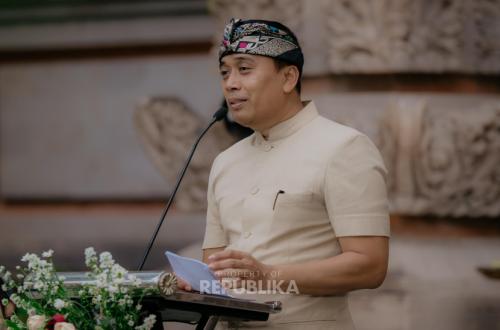
Putu Supadma Rudana, chairman of the Indonesian Museums Association (AMI), supports plans to build the Grand National Museum in the area around the National Monument (Monas) in Jakarta. He said the idea could strengthen the museum ecosystem while creating a space for learning about the history and civilisation of the Nusantara archipelago.
Putu said the national museum is expected to present Indonesia’s civilisational journey from prehistoric times to the modern era, enabling the public to learn more about the country’s rich history, culture and identity.
“Our association highly appreciates President Prabowo’s noble vision, ideas and concepts for honouring the entire journey of Nusantara civilisation and presenting the nation’s rich history, culture and identity to the wider public, including younger generations and the international community,” Putu said in a written statement.
He said museums should be developed as public spaces focused not only on collections but also on learning and visitor experiences. This approach, he said, is important to make museums more relevant to people’s lives.
Putu described a museum as the “soul of a nation”. In his view, museums can introduce national identity while strengthening younger generations’ understanding of Indonesian history and culture.
“We see the Monas area as an iconic and historic place with strong historical value as a symbol of the nation’s struggle and identity. I therefore believe the Grand National Museum will further strengthen the role of museums as a pillar of the nation, helping preserve its character and identity while honouring Nusantara culture,” he said.
Alongside the planned national museum, Putu highlighted efforts to revitalise museums and cultural sites. In 2026, the government is expected to accelerate the revitalisation and improvement of 240 sites, including museums, heritage sites, royal palaces, state palaces, forts and other cultural assets.
He praised the government’s attention to preserving historical and cultural heritage through the Ministry of Culture, led by Fadli Zon. Revitalisation is necessary, he said, to protect historical assets and ensure they can be used as educational resources for future generations.
Putu also said that responsibility for developing museums should not rest solely with the central government. Regional administrations, ministries and agencies, as well as the private sector, should contribute to strengthening museum management across the country.
With broader participation, museums are expected to grow beyond major cities and develop in local areas as spaces for preserving local history and culture. This supports the ambition of building a strong nationwide museum network capable of introducing Indonesia’s rich civilisation to the wider public.
Source: jawawa.id (https://jawawa.id/newsitem/indonesian-museums-association-urges-monas-to-become-a-centre-for-education-on-nusantara-history-and-1793983848)
Originally published by Republika (https://news.republika.co.id/berita/to33l7522/asosiasi-museum-indonesia-dorong-monas-jadi-pusat-edukasi-sejarah-dan-peradaban-nusantara), translated from Indonesian