
Indonesian Ministry of Hajj and Umrah deploys Mobile Crisis Rescue to bolster emergency response in Mina
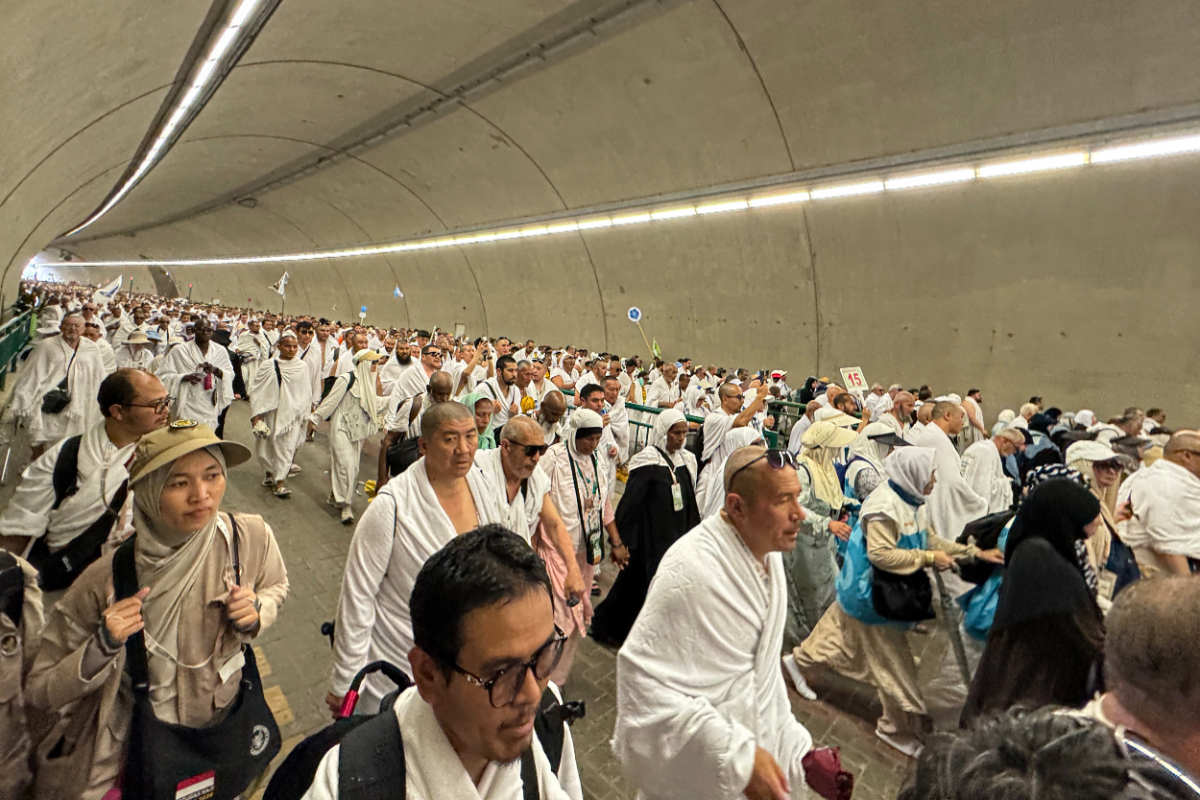
Pilgrims are advised to limit outdoor activities around Arafah tents. The Ministry of Hajj and Umrah (Kemenhaj) has bolstered protection for Indonesian Hajj pilgrims during the Mina phase by deploying Mobile Crisis Rescue (MCR) teams in the Jamarat area. The teams are prepared to provide first aid, conduct emergency evacuations, and manage crowd density during the stoning of the pillars on the days of Tasyrik.
Spokesperson Maria Assegaff stated that the MCR is a crucial component in strengthening services at high-risk movement points for pilgrims. “Mobile Crisis Rescue is a specialised team and command post of Hajj Service Officers deployed in the Jamarat area of Mina. They are tasked with providing first aid, conducting emergency evacuations, and managing crowd density during the peak Hajj rituals,” she said in Jakarta on Thursday (28 May).
According to Maria, MCR posts are strategically positioned across the Jamarat area and pilgrim transit routes to enable real-time monitoring and rapid response to emergencies. “The MCR is specifically formed to respond to emergencies, including assisting pilgrims who faint, get lost, suffer extreme fatigue, and evacuating elderly and disabled pilgrims,” she explained.
She emphasised that pilgrim protection is the government’s top priority this year. Therefore, officers are not only stationed at pilgrim tents but also along movement routes and potential congestion points. “Pilgrim protection is paramount. Officers are deployed not only at tents but also along movement paths, surveillance posts, and high-risk congestion areas. Any pilgrim requiring assistance must be attended to immediately,” Maria stressed.
On 11 Dhu al-Hijjah 1447 AH, Indonesian Hajj pilgrims began stoning the three pillars: Ula, Wustha, and Aqabah. Kemenhaj urged all pilgrims to follow the official stoning schedule according to their respective group arrangements. For 11 Dhu al-Hijjah, stoning is divided into two sessions: 17:00–24:00 Saudi time, followed by 00:00–04:00 on 12 Dhu al-Hijjah. The prohibited stoning period is from 11:00 to 18:00 Saudi time. On 12 Dhu al-Hijjah, stoning is scheduled from 05:00–10:30 and 18:00–24:00 Saudi time, with a prohibited period from 11:00–14:00. On 13 Dhu al-Hijjah, stoning is set for 05:00–12:00 Saudi time with no specific prohibited period.
Maria reiterated that pilgrims should not travel to Jamarat alone and must move in groups accompanied by officers. “We urge pilgrims not to rush or overexert themselves. Follow the schedule, use official routes, and stay with their groups. Pilgrim safety is a collective responsibility,” she said.
Pilgrims are also advised to observe the prohibited stoning periods to avoid extreme heat and congestion at Jamarat. During these times, they are urged to remain in tents, maintain their health, and increase water intake.
To strengthen services during the Mina phase, Kemenhaj has deployed 1,356 Mina Task Force officers. They are stationed at strategic points including pilgrim movement routes, Jamarat route posts, lower and upper MCR posts, and Tanazul coordination posts. Mina Task Force monitoring points are located on Road 616, Road 533, outside Mina Al-Wadi Hospital, Road 627, beneath Abdullah bin Abdul Aziz Road, at the entrance of the Turkish Muaisim Tunnel, and various crowd guidance posts for pilgrims heading to and from Jamarat. These posts are tasked with managing pedestrian flow, anticipating congestion, and ensuring pilgrims avoid risky shortcut routes.
Maria also warned that temperatures in Mina remain high during the day. Pilgrims are advised to maintain regular meals, wear head coverings when outside tents, and limit unnecessary physical activity. “We ask cluster families, group leaders, team leaders, and fellow pilgrims to pay special attention to elderly, disabled, female, and high-risk health pilgrims. If anyone appears fatigued, confused, separated from their group, or experiencing health issues, report to nearby officers immediately,” she said.
Kemenhaj assured all services during the Mina phase, including transportation, accommodation, meals, health care, religious guidance, and pilgrim protection, will be strengthened until the completion of the Armuzna rituals. “We call on all pilgrims to maintain unity, mutual assistance, reminders, and care. The spirit of cooperation and brotherhood is crucial in ensuring a safe, orderly, comfortable, and blessed Hajj,” she concluded.
Source: jawawa.id (https://jawawa.id/newsitem/indonesian-ministry-of-hajj-and-umrah-deploys-mobile-crisis-rescue-to-bolster-emergency-response-in-mina-1780008291)
Originally published by Media Indonesia (https://mediaindonesia.com/haji/894801/kemenhaj-siagakan-mobile-crisis-rescue-perkuat-respon-cepat-tanggap-kedaruratan-di-mina), translated from Indonesian