
Indonesian Man Graduated in Medicine in the Netherlands, but Faced a Tragic Fate on Returning Home
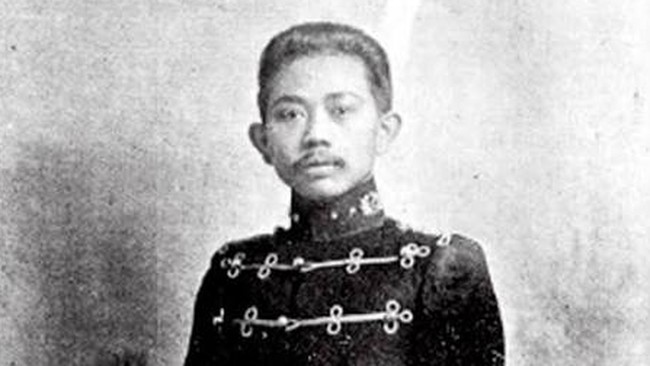
Jakarta, CNBC Indonesia – Indonesia marks National Doctors’ Day every 24 October. Ministry of Health data show that there are now 217,198 doctors across the country.
But who was the first Indonesian to become a doctor – and who, sadly, faced discrimination after returning to his homeland?
He was Mas Asmaoen. Born in Surakarta in 1880, he made history as the first Indonesian to become a doctor after studying in the Netherlands. But his academic success did not guarantee a better future. After returning to the Dutch East Indies, his career foundered because discrimination made it difficult for his colleagues to accept him as an equal.
Asmaoen’s story began when he studied at the School tot Opleiding van Inlandsche Artsen (STOVIA), a medical school for indigenous people in the Dutch East Indies whose graduates received the title of Javanese doctor.
In 1904, Colonial Affairs Minister Dirk Fock opened the opportunity for STOVIA graduates to continue their medical studies in the Netherlands and obtain a doctor’s degree considered equivalent to that of Europeans. Three people took up the opportunity: Abdul Rivai, Mas Boenjamin and Mas Asmaoen. They continued their studies at the University of Amsterdam.
According to Harry A. Poeze’s book Di Negeri Penjajah: Orang Indonesia di Negeri Belanda, 1600–1950 (2008), Asmaoen and Boenjamin were regarded as outstanding students and completed their studies at the University of Amsterdam in 1908. Of the three, Asmaoen graduated first, making him the first Indonesian to become a doctor.
His two companions graduated later because they were occupied with other matters. After qualifying as a doctor, Asmaoen worked for several months at the Institute of Naval and Tropical Medicine in Hamburg, Germany. He was then appointed a medical officer in the Royal Netherlands East Indies Army (KNIL), becoming the first Indonesian to hold that position.
However, neither his medical degree nor his military post was enough to ensure that Asmaoen was accepted as an equal colleague. Under a colonial system that divided people according to their origins and skin colour, his achievements did not erase the boundary between indigenous people and Europeans.
Poeze explained that Asmaoen’s career in the KNIL stalled because Dutch officers refused to treat him as an equal. He was subsequently transferred to Irian, where he fell ill, and eventually returned to the Netherlands to settle there.
According to Poeze, Asmaoen also struggled to readjust when he returned to the Dutch East Indies after living in Europe for a long time. In the colony, social relations were largely determined by skin colour. This contrasted with his experience in the Netherlands, where Indonesians could be approached and treated as individuals. Asmaoen died in 1916.
Source: jawawa.id (https://jawawa.id/newsitem/indonesian-man-graduated-in-medicine-in-the-netherlands-but-faced-a-tragic-fate-on-returning-home-1792824625)
Originally published by CNBC Indonesia (https://www.cnbcindonesia.com/lifestyle/20261024090328-33-779092/orang-indonesia-lulus-kedokteran-di-belanda-pulang-malah-nasib-tragis), translated from Indonesian