
Indonesian-Made Toyotas Sell 145,080 Units Abroad, Avanza-Veloz Leads
Amid a sluggish domestic automotive market, exports have become a key pillar for the national vehicle industry. PT Toyota Motor Manufacturing Indonesia (TMMIN) exported 145,080 completely built-up (CBU) vehicles during the January-June 2026 period, according to data from the Association of Indonesian Automotive Industries (Gaikindo). This figure represents a 10.7 per cent increase compared to the same period last year and accounted for approximately 57.6 per cent of Indonesia’s total CBU exports, which reached 251,705 units. Overall, national automotive exports grew by 7.7 per cent during the period.
TMMIN President Director Nandi Julyanto stated that the consistency of export performance was inseparable from the hard work of the nation’s workforce and collaboration involving more than 760 local supply chains, including Small and Medium Industries, as well as support from the Indonesian Government. He noted that all elements play a role in strengthening the competitiveness of the national automotive industry amid global geopolitical dynamics, ensuring local products can meet the increasingly competitive demands of the global market.
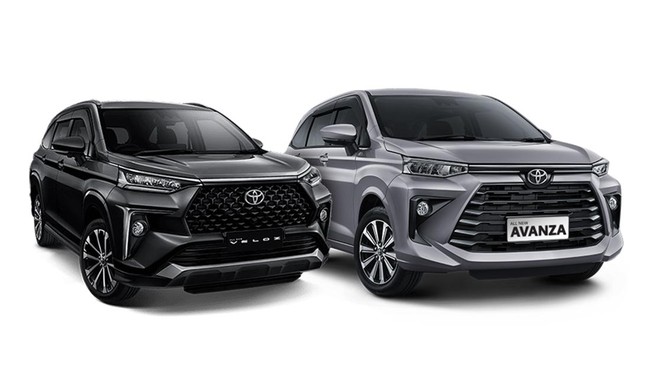
Demand from the Asian region remained the largest contributor to Toyota’s exports, accounting for nearly 58 per cent of total shipments, while the Americas contributed around 29.5 per cent and the Middle East about 12 per cent. In addition to fully built units, the company also shipped various automotive components, including CKD kits, engines, engine parts, and production equipment to various countries. The Avanza and Veloz models continued to be the backbone of Toyota Indonesia’s exports, recording shipments of 32,571 units during the first six months of the year, followed by the Raize with 26,082 units and the Yaris Cross with 20,441 units.
The company also observed a positive response to electrified vehicles in international markets. Exports of the Kijang Innova Zenix Hybrid and Yaris Cross Hybrid grew by 46.4 per cent to 12,693 units compared to the same period last year. Since exports began in 2023, cumulative shipments of these two models have exceeded 62,900 units to various countries. Vice President Director I Nyoman Winaya Adnyana emphasised that the ability to read global market needs is crucial for the Indonesian automotive industry to remain competitive amid changing trends and regulations. He added that the company will continue to expand market penetration, enhance quality standards, and strengthen its portfolio of environmentally friendly vehicle technologies.
Facing intensifying global competition, the company is continuing its multi-pathway strategy by producing conventional engine vehicles, hybrids, and promoting the development of flexy fuel vehicles (FFV) powered by bioethanol. Nyoman stressed that the national automotive industry must be at the forefront of change and build an electrified vehicle ecosystem to meet international market demand for low-emission products, particularly in navigating the energy transition era.