
Indonesian Kolintang to Perform in Paris, Carrying a Cultural Diplomacy Mission
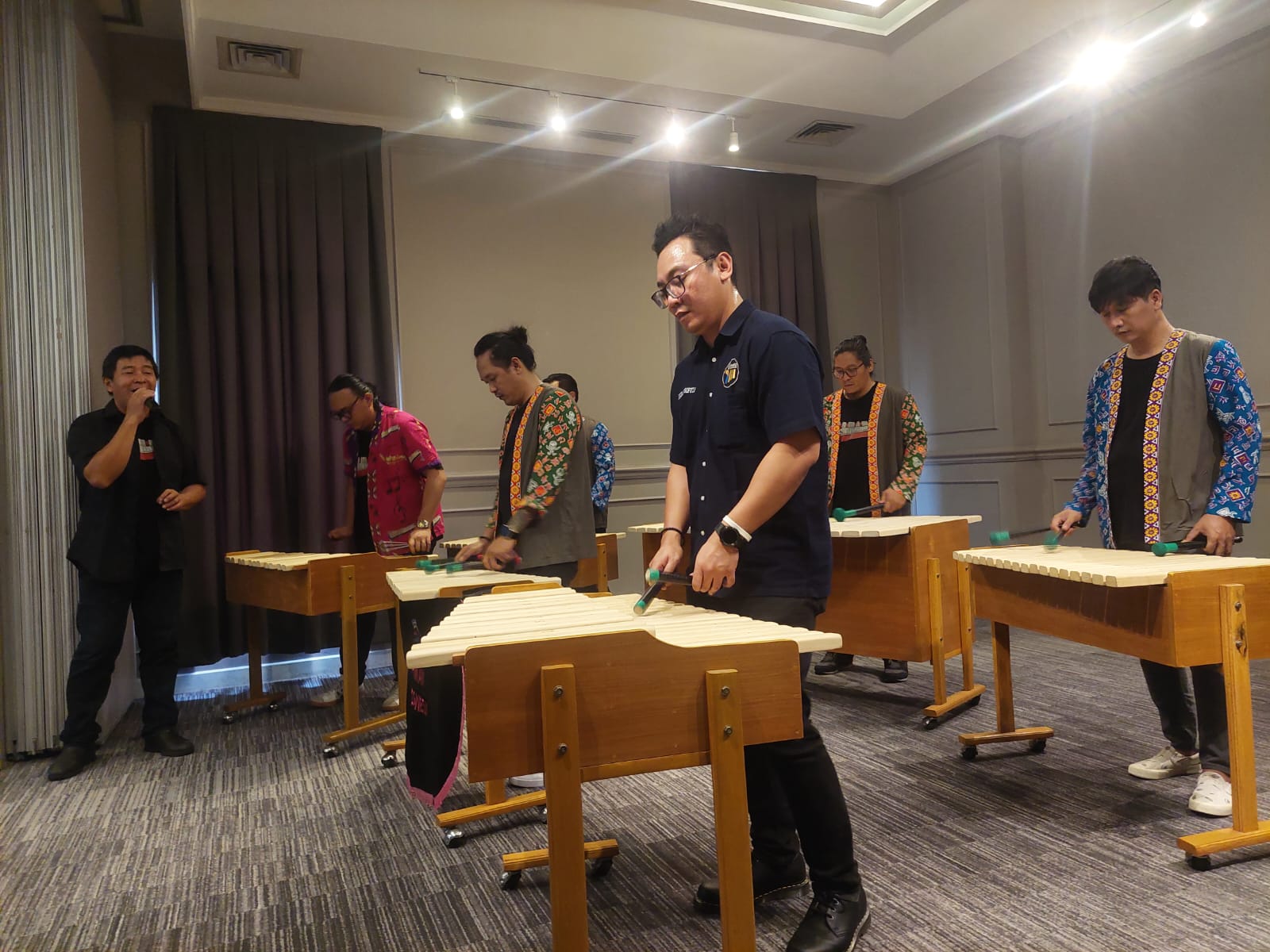
Indonesian Kolintang music will be brought to Paris, France, from 27 September to 2 October, following an invitation from the Indonesian Embassy in Paris and the UNESCO headquarters. This performance is part of an effort to introduce the traditional music from Minahasa, North Sulawesi, as part of Indonesia’s cultural heritage to the international public.
The invitation follows the designation of Kolintang by UNESCO as an Intangible Cultural Heritage on 5 December 2025. The National Kolintang Human Association (Pinkan) will bring the Rhythm of Minahasa (RoM) group as part of this series of performances.
The General Chairperson of Pinkan, Penny Iriana Marsetio, stated that RoM is scheduled to perform at events organised by the Indonesian Embassy in Paris and UNESCO. They have also been invited to perform at Place des Muguets, an open space used for cultural education activities for the younger generation.
“This is an opportunity for Indonesian Kolintang to perform while introducing the musical richness of Minahasia to the international community,” Penny said during the “Kolintang Goes to Paris” press conference in Jakarta on Thursday (17/9).
The General Chairperson of the Indonesian Kolintang Trainers Association (Ipkolindo), who also leads RoM, Ferdinand Soputan, said the prepared repertoire will not only consist of Indonesian regional songs. RoM will play national songs, classical music, jazz, and even popular French songs.
One of the songs to be performed is La Vie en Rose. The song was chosen to bring the Kolintang music closer to the local audience while demonstrating that the traditional instrument is capable of playing various genres of music.
Ferdinand stated that the trip to Paris is more than just a musical performance. According to him, the activity is part of Indonesia’s cultural diplomacy.
“We want to introduce the beauty of the Nusantara cultural heritage,” said Ferdinand.
RoM is also preparing North Sulawesi traditional songs, such as Si Patokaan, which will be presented in a medley alongside songs from across the archipelago. The repertoire is intended to showcase the character and identity of Kolintang music.
Additionally, they are preparing a world classical work with a complex orchestral arrangement. For the closing performance, RoM will use a modern and dynamic arrangement. They are also open to opportunities for collaboration with local musicians in Paris.
Ferdinand mentioned that the concept being brought is a ‘cultural bridge.’ “We want to show that the Kolintang has the flexibility to play various genres and collaborate with other instruments,” he said.
Kolintang received UNESCO recognition as an Intangible Cultural Heritage on 5 December 2025. This recognition adds to the list of Indonesian musical instruments recognised by UNESCO, following the angklung and gamelan.
Prominent Indonesian composer and ethnomusicologist Franki Raden stated that this international recognition could serve as a starting point to expand the use of Kolintang outside Indonesia.
He cited gamelan, which is now used in various universities worldwide, particularly those with ethnomusicology study programmes. Indonesia has also exported gamelan to various countries.
According to Franki, the experience of the gamelan shows that cultural preservation can evolve into an economic activity.
“The presence of the Kolintang and its UNESCO recognition will add to our world-renowned cultural heritage alongside the gamelan,” he said.
Franki hopes that the Kolintang can follow in the footsteps of the gamelan and be increasingly used in international education and musical activities.
Domestically, the next challenge is to ensure that the Kolintang does not remain merely a cultural symbol after receiving UNESCO recognition.
Penny stated that regeneration is being carried out through networks of organisations in various regions. Pinkan has regional and branch administrators, including in Central Java, West Java, East Java, East Kalimantan, Bali, Riau Islands, and North Sulawesi.
Kolintang is also beginning to enter several schools as an extracurricular activity.
Penny noted that interest from schools in the Kolintang is increasing because the instrument is relatively flexible. “The advantage of the Kolintang is that it can be used to play various songs and does not require electricity like some modern musical instruments,” she concluded.
Source: jawawa.id (https://jawawa.id/newsitem/indonesian-kolintang-to-perform-in-paris-carrying-a-cultural-diplomacy-mission-1789660973)
Originally published by Media Indonesia (https://mediaindonesia.com/internasional/934654/kolintang-indonesia-tampil-di-paris-bawa-misi-diplomasi-budaya), translated from Indonesian