
Indonesian Hajj Pilgrims Scammed by Travel Agency, Forced into Labour and Denied Repatriation
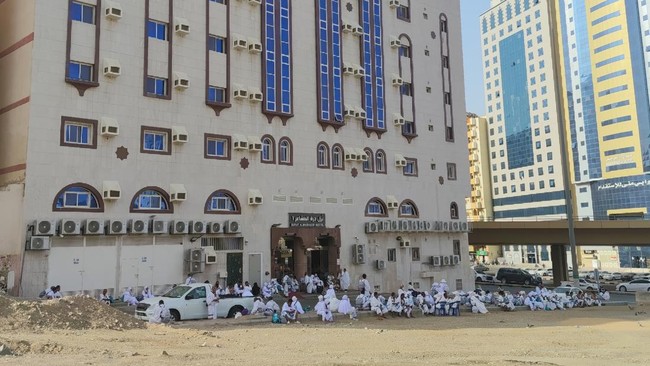
Initially departing for the holy land to perform religious duties, hundreds of Indonesian Hajj pilgrims ended up trapped in rubber plantations. They were forced to work for years after being ensnared in a debt scheme operated by an Arab entrepreneur running one of Southeast Asia’s largest Hajj travel agencies.
The perpetrator was Sayid Muhammad bin Ahmad al-Segaf, founder of Firma Al-Segaf, a travel agency headquartered in Singapore. By the late 19th century, the firm had become a favoured Hajj travel provider for pilgrims from the Dutch East Indies (now Indonesia) and Singapore heading to Mecca.
Al-Segaf was a well-known successful businessman in Malaya. In addition to managing Hajj travel, he owned rubber plantations on Cocob Island, Johor. This dual business model made him one of the wealthiest men in the Malay Peninsula.
However, his plantation business faced challenges as labour costs rose, squeezing profits. To keep operations running, Al-Segaf needed a large supply of cheap labour.
The opportunity arose from Indonesian pilgrims stranded in Mecca due to exhausted travel funds. Historian Henry Chambert-Loir, in ‘Naik Haji di Masa Silam’ (2013), noted many Indonesian pilgrims at the time embarked on Hajj without sufficient financial preparation, leading to difficulties after completing their rites.
Al-Segaf offered loans to these pilgrims to return home, requiring them to work in his Johor rubber plantations until the debt was repaid. For those with no other options, the offer seemed a lifeline. According to a ‘Letter from the Dutch Consul in Jeddah to the Dutch Consul in Singapore’ dated 27 June 1896, each pilgrim typically received a US$50 loan repayable over 80 instalments.
Upon arrival at the plantations, reality proved starkly different. Pilgrims were forced to work long hours for low wages, with earnings insufficient to cover living costs and debt repayments. Many were forced to borrow more to survive, causing debts to accumulate and trapping them in a cycle that was mathematically impossible to escape, leading to forced labour.
For years, Indonesian pilgrims lived in dire conditions, stripped of freedom by their debt obligations. The number of victims continued to grow.
Reports of their plight reached the Dutch colonial government via the Dutch Consulate in Jeddah, which relayed the information to authorities in Batavia, The Hague, and the British government, which controlled Singapore at the time.
The case drew serious attention. In a ‘Letter from the Dutch Foreign Minister to the Dutch Consul in Singapore’ dated 10 April 1895, it stated: ‘Special attention is drawn to reports of Hajj pilgrims being sold as forced labourers by local firms in Singapore to Dutch East Indies pilgrims unable to afford return fares. […] I request Your Excellency conduct a thorough investigation.’
In response, the Dutch East Indies government sought to pressure Firma Al-Segaf’s operations, including proposing that Hajj transport ships no longer dock in Singapore and urging the British government to tighten oversight of the firm. After diplomatic efforts and intergovernmental cooperation, the practice was halted. Indonesian pilgrims trapped in the plantations were gradually repatriated, while Sayid Muhammad bin Ahmad al-Segaf ceased his Hajj travel business.
Source: jawawa.id (https://jawawa.id/newsitem/indonesian-hajj-pilgrims-scammed-by-travel-agency-forced-into-labour-and-denied-repatriation-1779883281)
Originally published by CNBC Indonesia (https://www.cnbcindonesia.com/entrepreneur/20260525144810-25-737844/jemaah-haji-ri-ditipu-travel-tak-bisa-pulang-disuruh-kerja-paksa), translated from Indonesian