
Indonesian government pursues energy independence via renewables amid geopolitical tensions
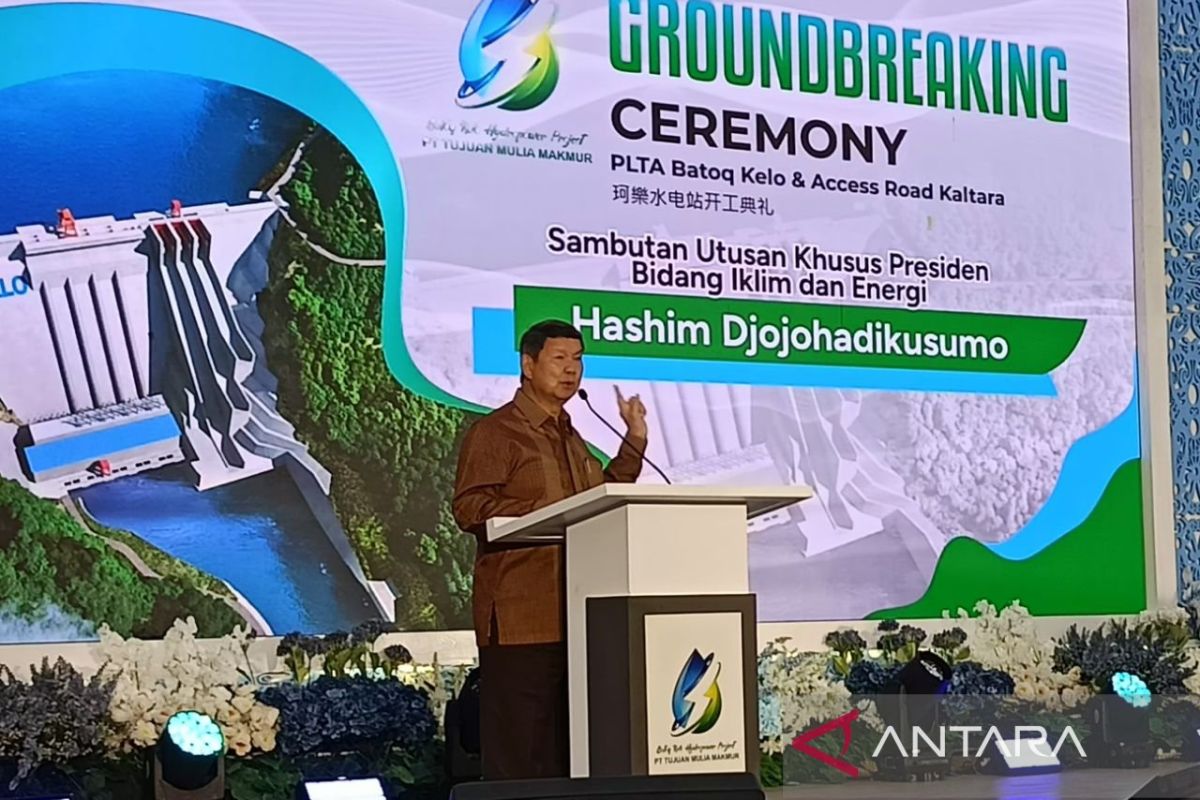
Current geopolitical complexities arising from the Iran-Israel-US conflict are affecting Indonesia’s energy supply. Samarinda (ANTARA) — The Indonesian government is pursuing national energy independence through renewable energy to respond to volatile global geopolitical conditions. ‘Current geopolitical complexities arising from the Iran-Israel-US conflict are affecting Indonesia’s energy supply,’ said Presidential Envoy for Climate and Energy Hashim Djojohadikusumo in Samarinda, East Kalimantan, on Monday. He added that the closure of the Strait of Hormuz would have immediate negative global impacts, with Indonesia facing serious threats of crude oil and refined product shortages. However, Hashim stated that President Prabowo Subianto has secured a supply commitment from Russia, with President Vladimir Putin agreeing to deliver 150 million barrels of oil to Indonesia this year. ‘This strategic agreement is crucial to ensuring domestic energy security and maintaining stable national fuel prices,’ he said. The government also assured that this price stability will be achieved without removing subsidies for lower-income groups. Despite temporary supply security, the nation must remain vigilant against potential future geopolitical crises. ‘The threat of expanded conflict in the Middle East could resurface at any time, with the potential for the Strait of Hormuz to be closed again, suddenly threatening oil distribution routes,’ Hashim said. Therefore, he stressed that a rapid transition to energy independence is essential to prevent reliance on foreign nations. Hashim stated that renewable energy projects are now more critical than ever and must be swiftly implemented by the government, including maximising the potential of the 300MW Batoq Kelo hydropower plant. ‘Utilising domestic natural resources is the primary solution to meet Indonesia’s high energy demands,’ he added. Furthermore, these efforts align with Indonesia’s vision to achieve net-zero emissions. Hashim added that President Prabowo Subianto has firmly committed to this target at the UN General Assembly. ‘We aim to achieve net-zero emissions by 2060 or even sooner,’ he stressed.