
Indonesian Government Coordinates with ASEAN Regarding Transboundary Haze
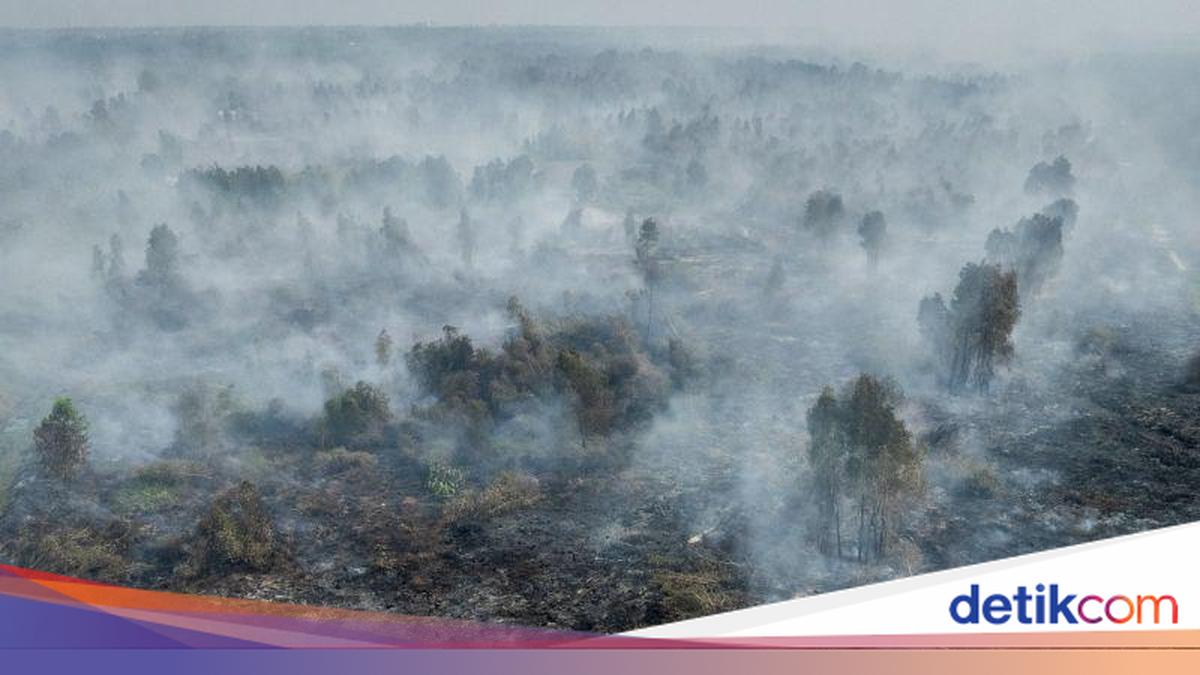
The Indonesian Ministry of Foreign Affairs (Kemlu) has stated that the government continues to maintain communication and cooperation with ASEAN nations during the management of forest and land fires (karhutla) in several regions. The Deputy Spokesperson for the Indonesian Ministry of Foreign Affairs, Vahd Nabyl, explained that the government is also consistently performing its daily mandatory reporting obligations to the ASEAN Secretariat (ASEC) regarding the handling of transboundary haze.
“In addition to continuously increasing various control measures domestically, the Indonesian government is also maintaining communication and coordination with countries in the region,” Vahd told reporters on Saturday (5/9/2026).
Vahd emphasised that Indonesia continues to prioritise cooperation with regional nations when facing environmental issues that impact other countries, such as haze from forest fires.
“Indonesia always prioritises cooperation with neighbouring countries and maintains good bilateral relations, particularly in facing environmental issues that have transboundary impacts, such as haze,” he said.
The Indonesian government, he noted, continues to encourage increased vigilance against dry weather caused by climate conditions alongside other countries in the region. He stated that Indonesia is utilising the ASEAN cooperation framework to ensure that haze can be managed effectively.
“The ASEAN mechanism based on the ASEAN Agreement on Transboundary Haze Pollution (AATHP) to handle haze issues is already operational. Regular meetings to discuss haze issues and coordinate follow-up actions are continuously being conducted,” he said.
Vahd explained that the ASEAN Secretariat has implemented a Regional Alert Level 3 status since 26 August 2026. ASEC has also requested all ASEAN countries to submit daily Situation Reports (SITREP), including haze trajectory maps, and redistribute them to all ASEAN Member States’ National Focal Points.
“Indonesia always fulfils all daily reporting obligations and the mandatory actions for Alert Level 3 in accordance with the SOP MAJER/Monitoring, Assessment, and Joint Emergency Response (the ASEAN procedure for haze monitoring and emergency response),” he said.
He mentioned that these reports are proactively submitted by the Indonesian government, covering data on hotspots, environmental conditions, indications of haze movement, and forest fire management, including national emergency responses and extensive firefighting operations, as well as the intensification of cross-sector cooperation (government, private sector, and local communities) to the ASEAN Secretariat as the interim office of the ACC THPC.
“Indonesia continues to push for the acceleration of the ASEAN Coordinating Centre for Transboundary Haze Pollution Control (ACC THPC) to become fully operational,” said Vahd.