
Indonesian Foreign Ministry Assists Migrant Worker in Libya Seeking Repatriation
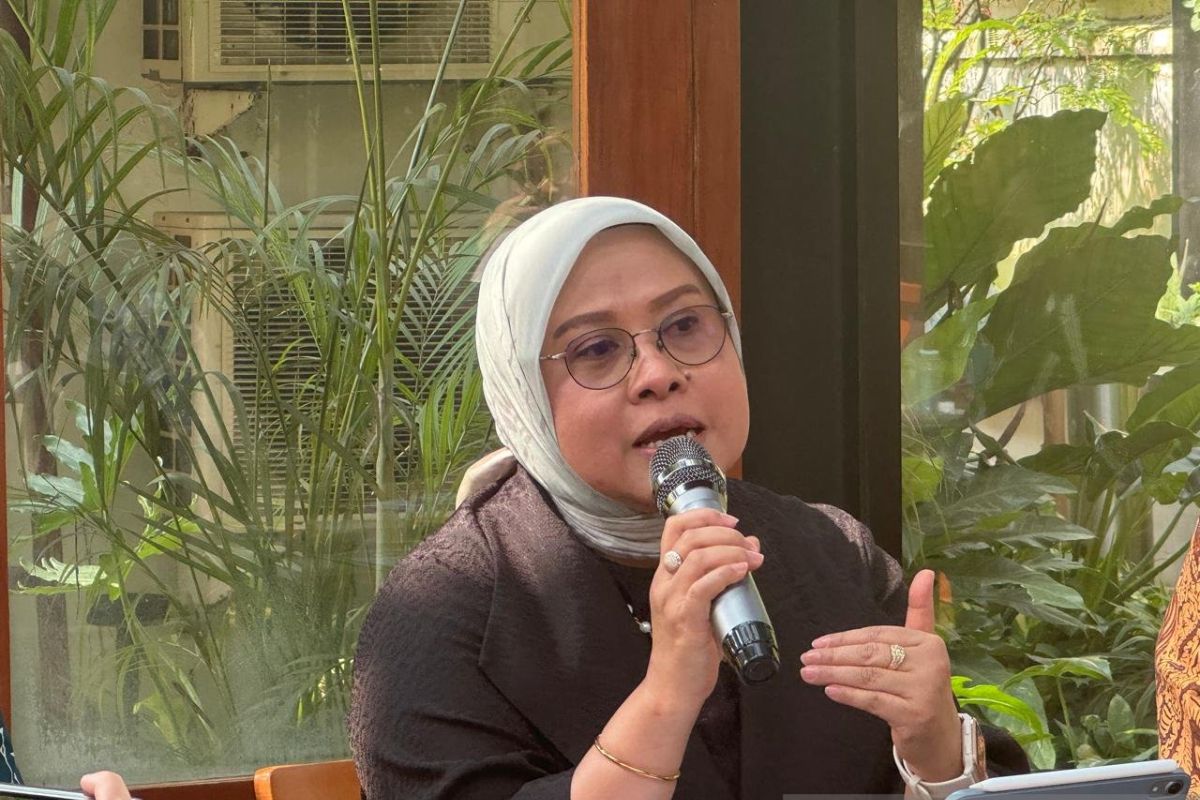
The Indonesian Ministry of Foreign Affairs is assisting a migrant worker in Libya, identified by the initials AJ, who requested to be repatriated through a video posted on social media, and is helping her decide whether to continue her employment contract. Director of Protection for Indonesian Citizens at the ministry, Heni Hamidah, stated during a press briefing in Jakarta on Wednesday that the worker can return home normally after completing her contract. However, if she terminates the contract early, she must fulfil several obligations. “If AJ still wants to continue her two-year contract, she will return home normally. But if she decides to break the contract midway, she must pay several other obligations,” Heni said, adding that the worker is still considering whether to continue her contract. She also noted that the worker is known to have travelled to Libya through non-procedural channels, requiring special attention. The video featuring AJ appeared on social media on 26 June, showing the worker crying and pleading for help to return to Indonesia after receiving unpleasant treatment and being forced to work without rest as a domestic helper in Benghazi, Libya. In the video, the worker from Cianjur, West Java, specifically mentioned the names of President Prabowo Subianto and West Java Governor Dedi Mulyadi, asking for their help “as role models for the community”. On 30 March, the Ministry of Protection of Indonesian Migrant Workers stated it continues to strive to eradicate brokers channelling migrant workers to the Middle East, as a moratorium on their placement in the region remains in effect. “Placement to the Middle East is still prohibited, in accordance with the moratorium stipulated by the Minister of Manpower Decree Number 260 of 2015, but we cannot turn a blind eye; many still depart secretly,” said Director General of Protection at the ministry, Rinardi. He explained that the ministry records 25,000 non-procedural migrant workers departing for the Middle East annually to work there, among others as domestic workers, despite the moratorium not yet being lifted.