
Indonesian Democracy Volunteers Support MBG Kitchen in Prison: To Make Inmates Productive
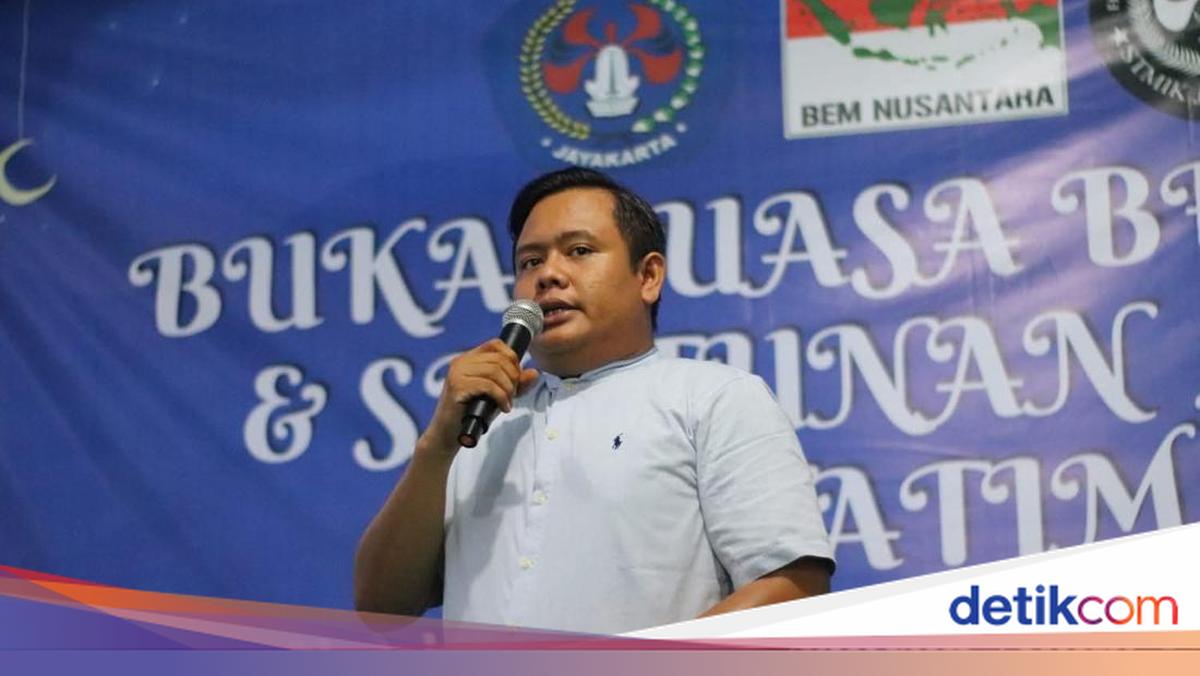
In addition to supporting the provision of nutritious food for the community, involving inmates also opens up opportunities for social rehabilitation. It is hoped that inmates will acquire skills and readiness to return to society after serving their sentences. “The state is not only present to punish, but also to nurture. Involving inmates in the MBG kitchen is a tangible form of nurturing that gives them a second chance to become productive and responsible individuals,” stated Penri Sitompul, Chairman of the Indonesian Democracy Volunteers, in his remarks on Wednesday (13/5/2026). Furthermore, the activity is seen as instilling discipline, responsibility, and work skills in inmates, which will serve as valuable assets for life after release. The programme is also believed to help reduce recidivism rates, as inmates gain work experience, training, and confidence to be accepted back into society. Nevertheless, he emphasised that the programme’s implementation must prioritise hygiene standards, food safety, professional supervision, and strict selection processes for the inmates involved. “We believe that a great nation is not only capable of delivering punishment, but also of opening paths to change and a better future for its citizens,” he added. Previously, the Ministry of Law and Human Rights designated the Sukamiskin Prison kitchen in Bandung as a site for cooking under the Free Nutritious Meals (MBG) programme. Inmates prepared 3,444 portions of food to be distributed to schools around the prison. “This kitchen is a pilot project for utilising correctional facilities to support the Free Nutritious Meals programme—producing around 3,444 portions of food every day for distribution to 12 schools and five community health centres near Sukamiskin Prison—without disrupting the internal consumption needs of inmates at Sukamiskin Prison itself,” explained Minister Agus on Saturday (14/6/2025). Currently, there are 469 kitchens in prisons and state detention centres across Indonesia that have hygienic fitness certificates. Additionally, 754 inmates have been certified or participated in technical training for food service. “Our hope moving forward is that prisons and detention centres meeting these standards can support the free nutritious meals programme in collaboration with the National Nutrition Agency in various regions of Indonesia,” Agus concluded.