
Indonesian Consumer Community Emphasises Importance of Regulations Limiting Reusable Gallon Lifespan
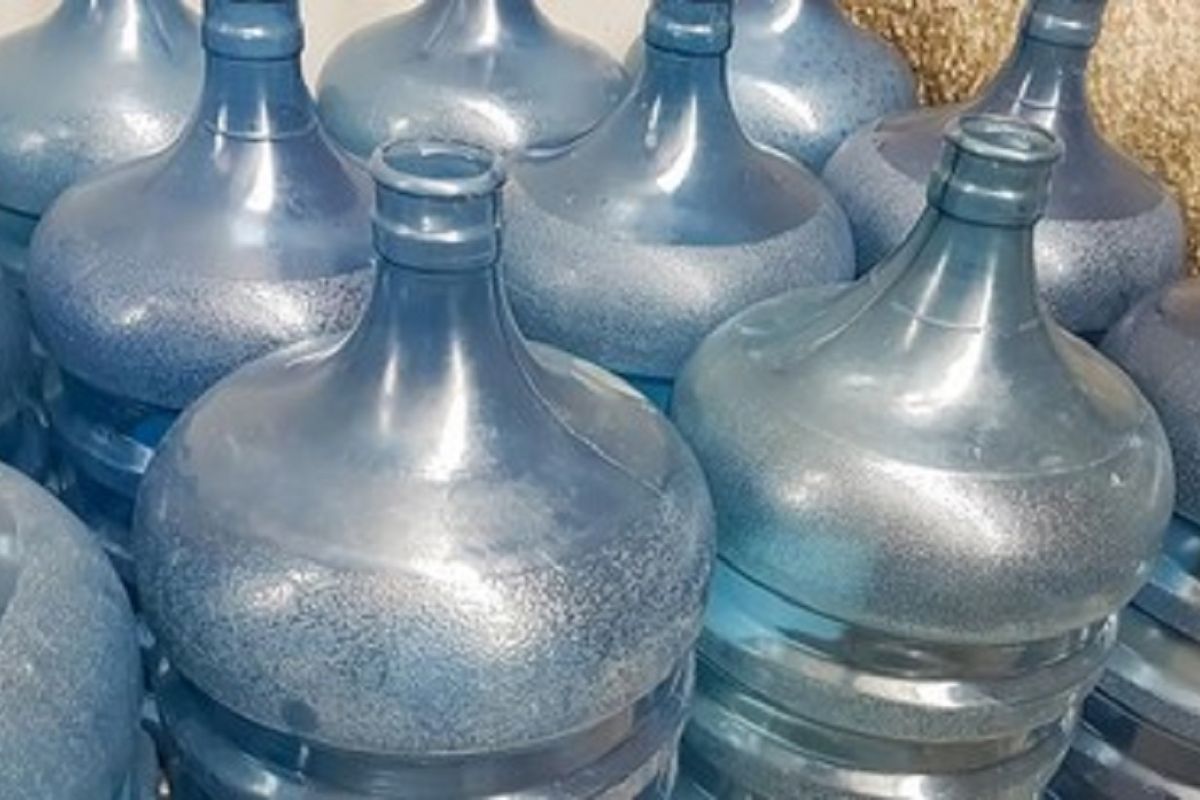
Jakarta (ANTARA) - The Indonesian Consumer Community (KKI) has emphasised the importance of regulations limiting the lifespan of reusable gallons to anticipate the leaching of harmful chemical Bisphenol A (BPA) into drinking water.
KKI Chairman David Tobing stated that the circulation of old reusable gallons (ganula) remains widespread in the market. As many as 92% of consumers reported still receiving ganula vulnerable to leaching BPA into drinking water.
Other countries like the European Union, according to him in his statement in Jakarta on Saturday, have taken firm steps by totally banning the use of BPA in food-contact materials, effective from July 2026.
This ban, he continued, was issued following findings by the European Food Safety Authority (EFSA) regarding the dangers of chronic BPA exposure.
“In Europe, BPA gallons have already been banned from July this year. Unfortunately, in Indonesia, labelling is only mandatory from 2028. In addition, there is a regulatory gap on lifespan,” he said.
David revealed that over three years, his organisation conducted intensive monitoring activities, including against 450 respondents in 2024, followed by direct investigations at dozens of agents and grocery stores in Jabodetabek in 2025.
Then, KKI opened a Consumer Complaint Channel from March to April 2026, he added; of the 250 complaints received from seven major cities, the majority of reporters validated that they were still consuming water from gallons over one year old or ganula.
In addition, he continued, 30% of consumers reported gallons already in dirty, worn, or dull condition, 18% cracked, and 2% dented.
The risk of BPA exposure, according to him, is further worsened by poor treatment of gallons during the distribution process, where empty or filled gallons all use open tubs.
In fact, he added, polymer experts from the University of Indonesia have affirmed that exposure to sunlight, rough washing, and excessively long usage age are the main triggers for BPA leaching.